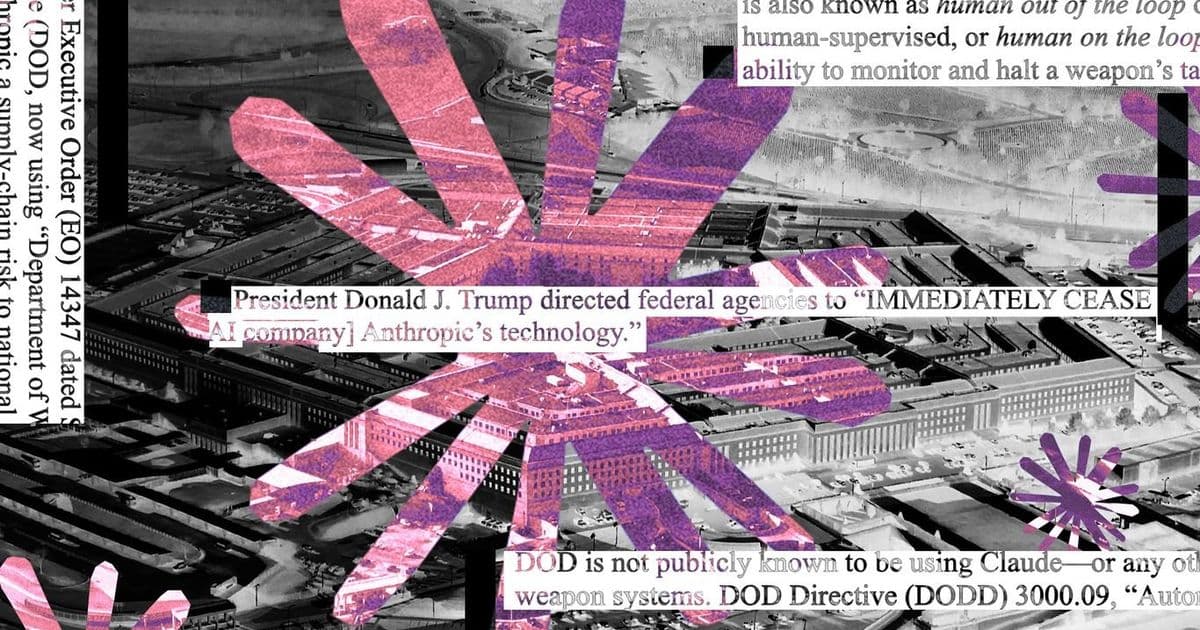
Federal officials have again cited Anthropic AI as a prohibited entity in legal arguments, signaling a continued hard line on AI export controls and raising questions about the impact on U.S. AI competitiveness.
The Justice Department’s latest brief filed in the United States v. XYZ Corp. case reiterated the administration’s decision to place Anthropic, the San Francisco‑based AI startup, on the Department of Commerce’s Entity List. The filing, submitted on May 17, cites the same national‑security rationale used in the original 2024 rulemaking that barred the company from receiving U.S.‑origin semiconductor equipment and software.
Market context
Anthropic’s valuation rose to $4.1 billion after a $500 million Series C round led by Google in early 2024. The company’s Claude‑2 model processes roughly 2 trillion tokens per month, positioning it as a direct competitor to OpenAI’s ChatGPT and Microsoft‑backed AI services. At the same time, the U.S. semiconductor export market to China—its largest AI hardware customer—has contracted by 12 % year‑over‑year, according to the Semiconductor Industry Association (SIA).
The Entity List designation effectively blocks Anthropic from purchasing advanced AI chips such as Nvidia’s H100 and AMD’s MI250X, which together account for over 70 % of the high‑performance GPU market used in large‑scale language models. Without access to these components, Anthropic would need to shift to older, less efficient GPUs or seek alternative suppliers, potentially raising its compute costs by 30‑40 %.
What it means for the AI sector
Supply‑chain pressure on U.S. AI firms – By targeting a company that already receives substantial venture funding, the administration signals that export‑control policy will apply uniformly, regardless of a firm’s domestic backing. Smaller AI startups may now face heightened scrutiny when sourcing critical hardware, prompting a scramble for domestic chip alternatives.
Competitive implications – While the move aims to curb the transfer of advanced AI capabilities to foreign actors, it also narrows the pool of U.S. innovators that can scale quickly. European rivals such as DeepMind and French startup Mistral, which are less dependent on U.S. hardware, could capture market share if Anthropic’s development pace slows.
Policy feedback loop – Industry groups, including the Information Technology Industry Council (ITI), have warned that repeated blacklisting could push AI talent overseas, eroding the United States’ long‑term leadership. The administration’s stance may therefore trigger a policy review if the U.S. AI export‑control budget—currently $1.2 billion for FY 2025—fails to produce measurable security outcomes.
Strategic response options
- Invest in domestic GPU production – Companies like Intel and Texas Instruments are accelerating their high‑bandwidth memory (HBM) roadmaps. A coordinated public‑private effort could mitigate reliance on foreign‑origin chips.
- Diversify model architectures – Anthropic could explore sparsity‑based models that require fewer FLOPs, reducing the need for top‑tier GPUs. Early research from the University of Washington suggests a 20‑25 % efficiency gain for sparsified transformers.
- Legal avenues – Firms affected by the Entity List can petition for a waiver. The success rate for AI‑related waivers has been below 15 % historically, but a well‑structured case that demonstrates no direct national‑security risk may improve odds.
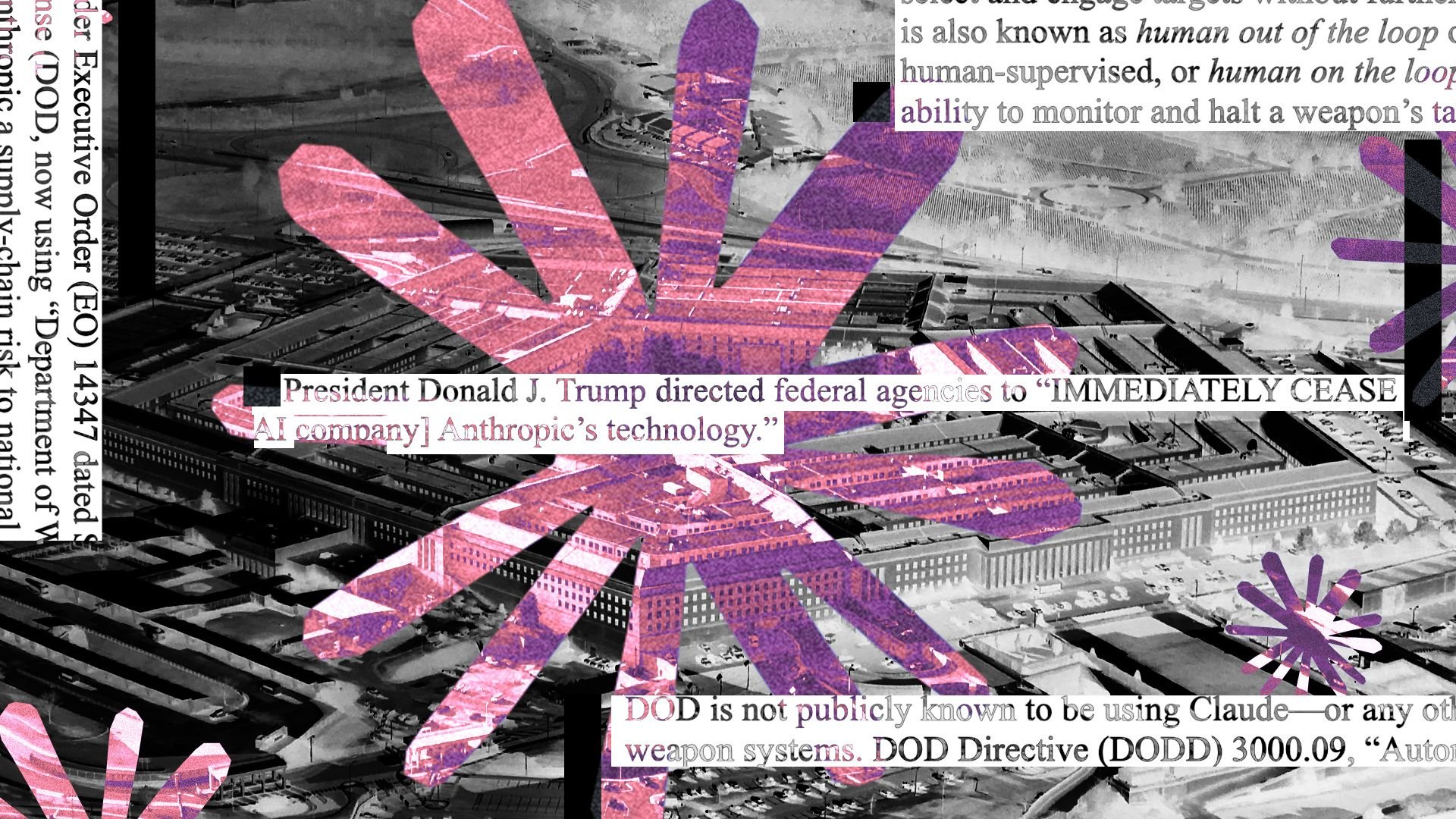
The continued emphasis on Anthropic in court documents underscores the administration’s broader strategy: use export controls as a lever to shape the AI supply chain while attempting to safeguard sensitive technology. As the sector matures, the tension between security objectives and market dynamics is likely to intensify, forcing both policymakers and AI firms to navigate an increasingly complex regulatory environment.
Comments
Please log in or register to join the discussion