
Allies of former President Trump are publicly distancing themselves from any notion of investigating Federal Reserve Chair Jerome Powell, suggesting the idea lacks broad support within his inner circle despite ongoing tensions over monetary policy.
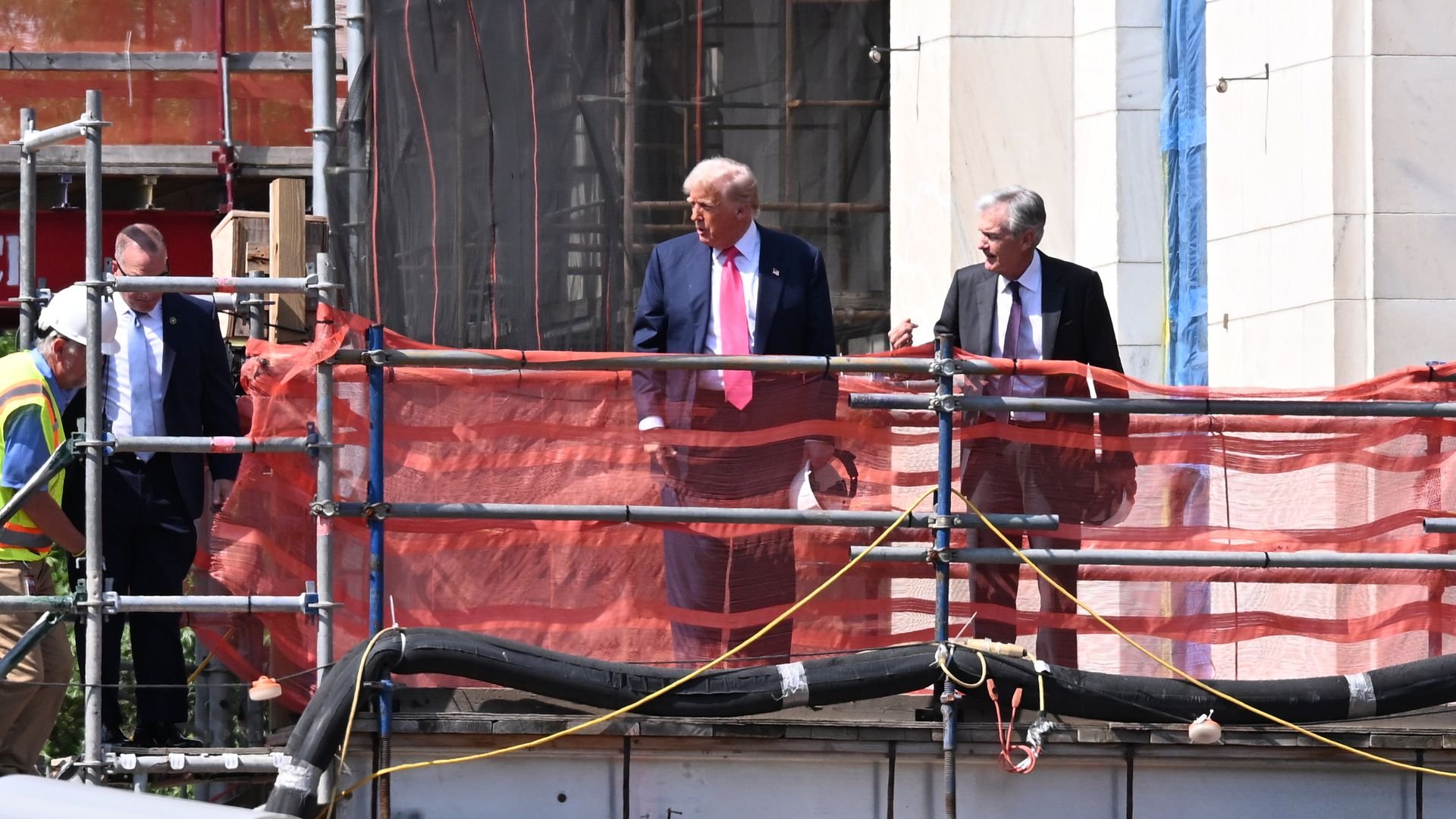
Several prominent Trump allies have signaled in recent days that they are not advocating for an investigation into Federal Reserve Chair Jerome Powell, even as the former president continues his vocal criticism of the central bank's interest rate decisions.
The distancing comes amid speculation that a potential second Trump administration might target Powell for his monetary policy choices, which have drawn repeated ire from Trump. Powell's current term as Fed chair runs through May 2026, and he was originally appointed by Trump in 2018 before being reappointed by President Biden.
Market Context
Financial markets have been monitoring the relationship between Trump and Powell closely, given the potential for political interference in Fed operations. The Federal Reserve's independence from political pressure is considered a cornerstone of modern monetary policy and a key factor in maintaining investor confidence in U.S. markets.
Any perceived threat to Fed independence typically triggers volatility in bond markets and can affect the dollar's strength. The 10-year Treasury yield has been particularly sensitive to news about the Fed's autonomy, with investors viewing political pressure on the central bank as inflationary and destabilizing.
Strategic Implications
The public statements from Trump allies suggest a more nuanced approach to Fed policy might be favored by some advisors, focusing on influencing monetary policy through official channels rather than targeting the Fed chair personally. This could indicate recognition that undermining Fed independence carries significant economic risks that could backfire politically.
Economists note that markets have already begun pricing in scenarios involving Fed policy changes under different political administrations. The spread between short-term and long-term Treasury yields, as well as currency hedging costs, reflect some of this uncertainty.
For business leaders and investors, the key metric to watch remains the Fed's operational independence rather than any single official's tenure. The central bank's ability to make decisions based on economic data rather than political pressure directly impacts borrowing costs, investment decisions, and ultimately corporate profitability across sectors.
The current situation highlights the delicate balance between political accountability for economic outcomes and the technical expertise required for effective monetary policy management.
Comments
Please log in or register to join the discussion