
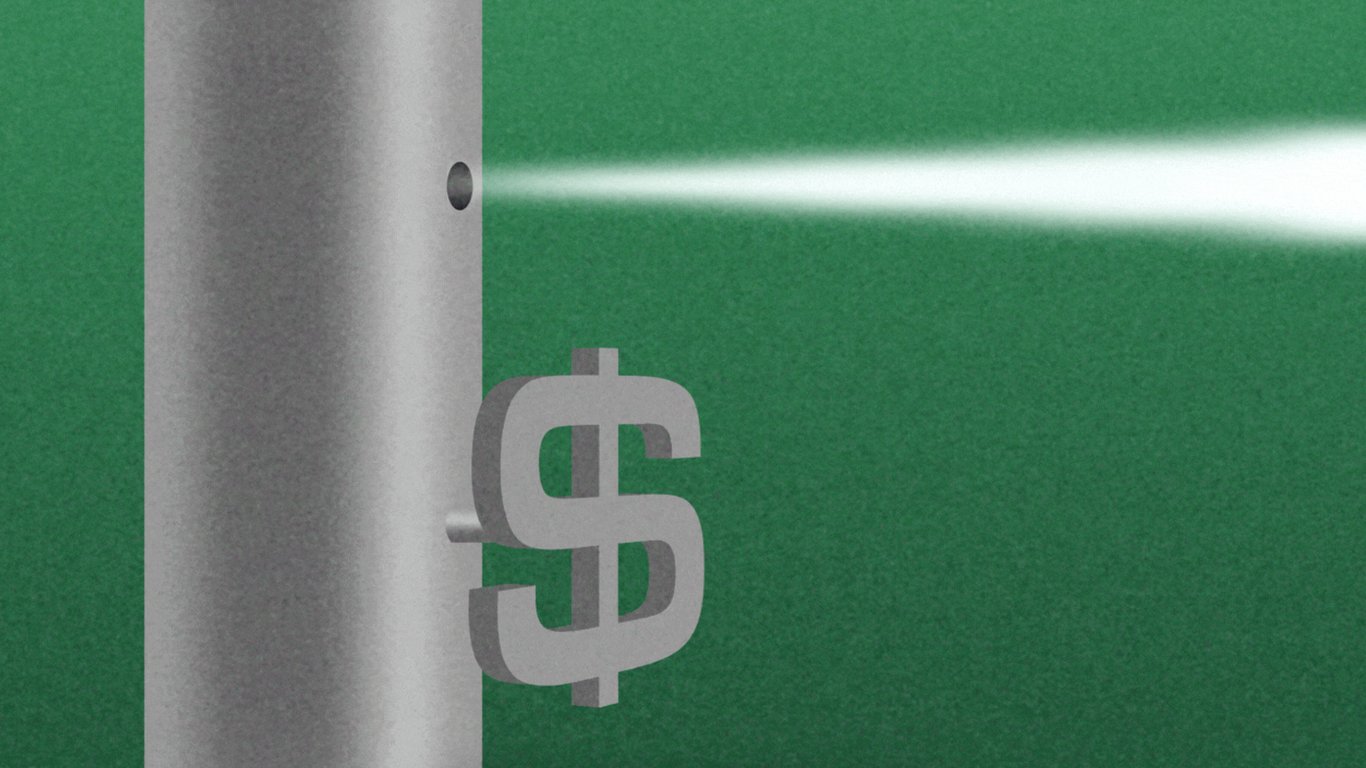
The U.S. dollar is experiencing a significant decline as President Trump's policies and rhetoric create uncertainty about America's economic leadership, with the currency acting as a 'pressure relief valve' for broader economic tensions.
The U.S. dollar is experiencing a notable decline as President Trump's policies and rhetoric create uncertainty about America's economic leadership. The currency, often seen as a barometer of global confidence in the United States, is acting as a "pressure relief valve" for broader economic tensions, according to recent analysis.
The Dollar's Decline
The greenback has been weakening against major currencies, reflecting growing concerns about the U.S. economic outlook and America's role in the global financial system. This decline comes amid a complex mix of factors, including trade tensions, fiscal policy uncertainty, and shifting geopolitical dynamics.
Trump's Impact on Currency Markets
President Trump's approach to economic policy has introduced significant volatility into currency markets. His administration's trade policies, particularly the ongoing trade disputes with China and other trading partners, have created uncertainty that weighs on the dollar. Additionally, the president's frequent criticism of Federal Reserve policies and his calls for a weaker dollar to boost exports have further complicated the currency's trajectory.
The Dollar as Economic Barometer
The U.S. dollar serves as more than just a medium of exchange—it functions as a global reserve currency and a key indicator of international confidence in the American economy. When the dollar weakens, it often signals broader concerns about U.S. economic stability or policy direction. In this context, the current decline can be seen as a market response to perceived shifts in America's economic and geopolitical stance.
Market Implications
A weaker dollar has mixed implications for the U.S. economy. On one hand, it makes American exports more competitive and can boost corporate earnings for multinational companies. On the other hand, it can increase the cost of imports and potentially contribute to inflationary pressures. For global markets, a declining dollar can affect everything from commodity prices to emerging market stability, given the dollar's central role in international trade and finance.
Looking Ahead
The dollar's trajectory will likely continue to reflect broader economic and political developments. As the U.S. navigates trade relationships, fiscal policy, and its global leadership role, currency markets will remain sensitive to signals about America's economic direction. The dollar's decline may represent a recalibration of expectations about U.S. economic dominance, or it could be a temporary adjustment in response to specific policy developments.
The U.S. dollar's decline serves as a reminder of how currency markets function as a real-time referendum on economic policy and national economic health. As the Trump administration's policies continue to unfold, the dollar will remain a key indicator to watch for insights into America's evolving role in the global economy.
Comments
Please log in or register to join the discussion