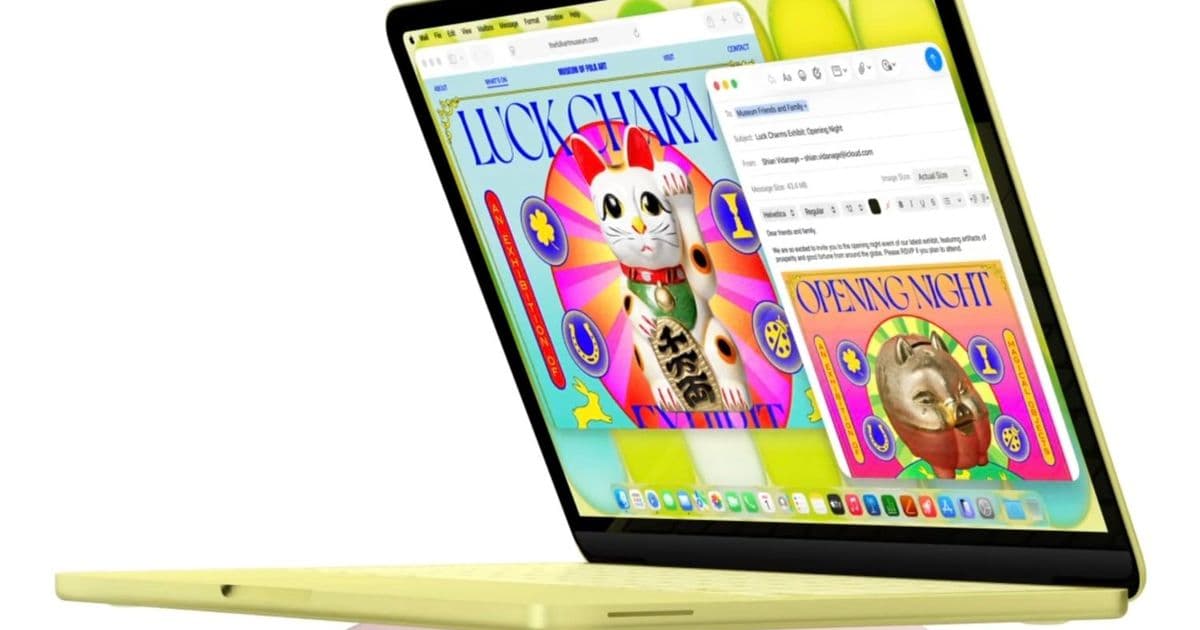
Apple's budget MacBook Neo may miss out on touchscreen upgrades while the premium MacBook Pro gets touch capabilities, according to Bloomberg's Mark Gurman.
Apple's touchscreen strategy for its MacBook lineup appears to be taking shape, and the budget-friendly MacBook Neo may be left out of the upgrade cycle, according to Bloomberg's Mark Gurman in his latest Power On newsletter.
The MacBook Neo's Value Proposition
The MacBook Neo, unveiled in March 2026 at a starting price of $599 ($499 for education buyers), represents Apple's most aggressive entry into the budget laptop market. Gurman acknowledged the device's impressive value proposition, noting that it "beats other laptops in its price range" and is "far better than a similarly priced iPad." The device delivers strong build quality, performance, and power that punches above its weight class.
However, Gurman points out a significant limitation: the MacBook Neo makes little sense for users who already own a MacBook Pro or MacBook Air. The performance gaps, display differences, and feature disparities create a clear hierarchy within Apple's laptop ecosystem that the Neo cannot bridge.
Touchscreen Uncertainty Across the Mac Lineup
Apple has yet to decide whether it will upgrade any Macs to touchscreen capability, according to Gurman. The exception appears to be the MacBook Pro, which could gain touchscreen functionality toward the end of 2026. This selective approach to touch implementation suggests Apple is being strategic about where it introduces this feature.
Interestingly, the MacBook Air—which Gurman considers a better candidate for touchscreen adoption due to its mainstream positioning—won't receive the upgrade for another two years. This staggered rollout indicates Apple is taking a measured approach to touch integration across its product lines.
The Cost Factor Behind the Decision
The $599 price point for the MacBook Neo wasn't arbitrary. Gurman explains that Apple arrived at this price after a "serious rethink" of the laptop's components. Adding a touch display would increase the bill of materials, potentially pushing the device out of its carefully calibrated budget segment.
This cost consideration aligns with earlier reports from analyst Ming-Chi Kuo, who backtracked on his claim that the next MacBook Neo would be touch-enabled. The economics of budget computing appear to be steering Apple away from touchscreens in its entry-level offerings.
What This Means for Apple's Touch Strategy
Apple's selective approach to touchscreen implementation suggests the company is prioritizing premium segments for this feature. By limiting touch to higher-end models like the MacBook Pro, Apple can justify the additional cost while maintaining clear product differentiation.
The MacBook Neo's exclusion from the touch upgrade cycle reinforces its position as a performance-focused budget device rather than a touchscreen-enabled hybrid. For users seeking touch capabilities in Apple's ecosystem, the iPad and iPad Pro remain the primary options, while MacBooks continue to emphasize traditional input methods.
This strategy allows Apple to maintain distinct product identities across its lineup while gradually introducing touch where it makes the most business sense. The MacBook Pro's potential touchscreen upgrade represents a significant shift for Apple's traditional stance on touch in Mac computing, but it's happening on the company's terms and timeline.

Comments
Please log in or register to join the discussion