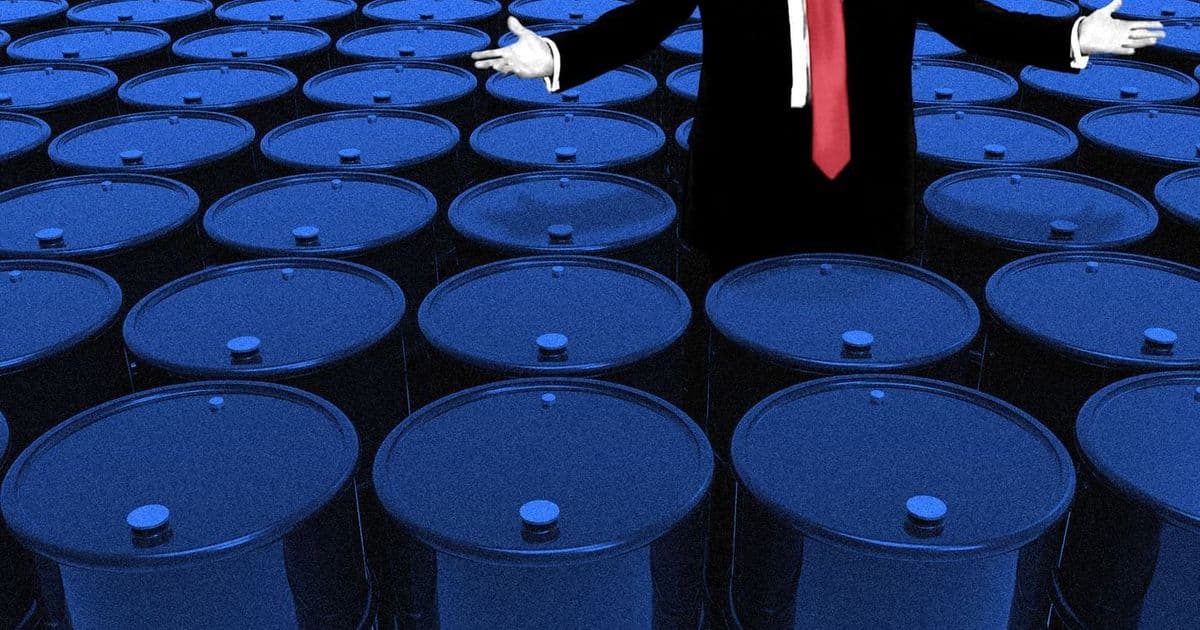
President Trump has invoked the Defense Production Act to accelerate domestic fossil fuel production, marking a significant shift in energy policy that prioritizes energy security over climate concerns.
President Trump has invoked the Defense Production Act (DPA), a Cold War-era law originally designed to mobilize industry during national emergencies, to accelerate domestic fossil fuel production. This executive action represents a significant shift in energy policy, prioritizing energy security and economic growth over climate concerns.
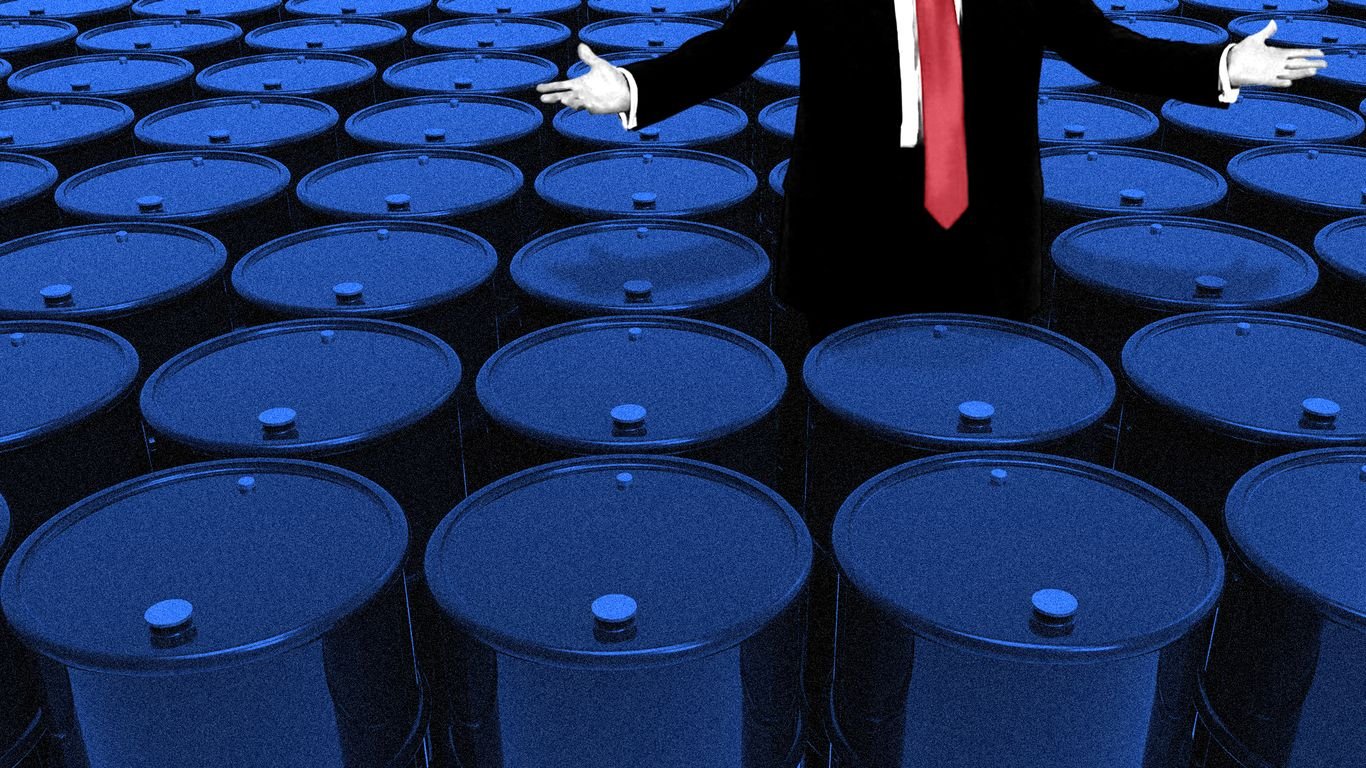
The Defense Production Act in Action
The Defense Production Act grants the president broad authority to direct private industry to prioritize government contracts and expand production of critical materials. First enacted in 1950 during the Korean War, the law has historically been used during national emergencies to ensure the availability of essential goods and services.
In this case, the administration is using the DPA to:
- Expedite permitting for new oil and gas drilling operations
- Direct federal agencies to streamline environmental reviews
- Provide financial incentives for increased fossil fuel production
- Prioritize domestic energy infrastructure projects
Market Context and Economic Implications
The move comes amid rising energy prices and growing concerns about energy independence. Global oil markets have experienced volatility due to geopolitical tensions, and domestic production has struggled to keep pace with demand recovery following the pandemic.
Industry analysts estimate that the DPA invocation could increase domestic oil production by 500,000 to 1 million barrels per day within 18 months. Natural gas production could see similar gains, potentially reducing reliance on foreign energy sources.
What It Means for the Energy Sector
For the fossil fuel industry, this represents a significant policy shift that could reshape the energy landscape. Major oil and gas companies have seen their stock prices rise following the announcement, with some analysts predicting increased capital expenditure in domestic production.
However, the move has drawn criticism from environmental groups and renewable energy advocates who argue it undermines progress on climate change mitigation. The administration maintains that energy security and economic growth must take precedence in the current global environment.
Historical Precedent
This isn't the first time the DPA has been used for energy purposes. Previous administrations have invoked the law during oil crises and natural disasters to ensure fuel availability. However, the scale and scope of this invocation represent an unprecedented use of the law to actively expand fossil fuel production rather than simply maintain existing supply chains.
The decision reflects a broader debate about the role of government in shaping energy markets and the balance between environmental protection and economic security. As the administration moves forward with implementation, the energy sector and environmental advocates alike will be watching closely to see how this policy shift unfolds.
Comments
Please log in or register to join the discussion