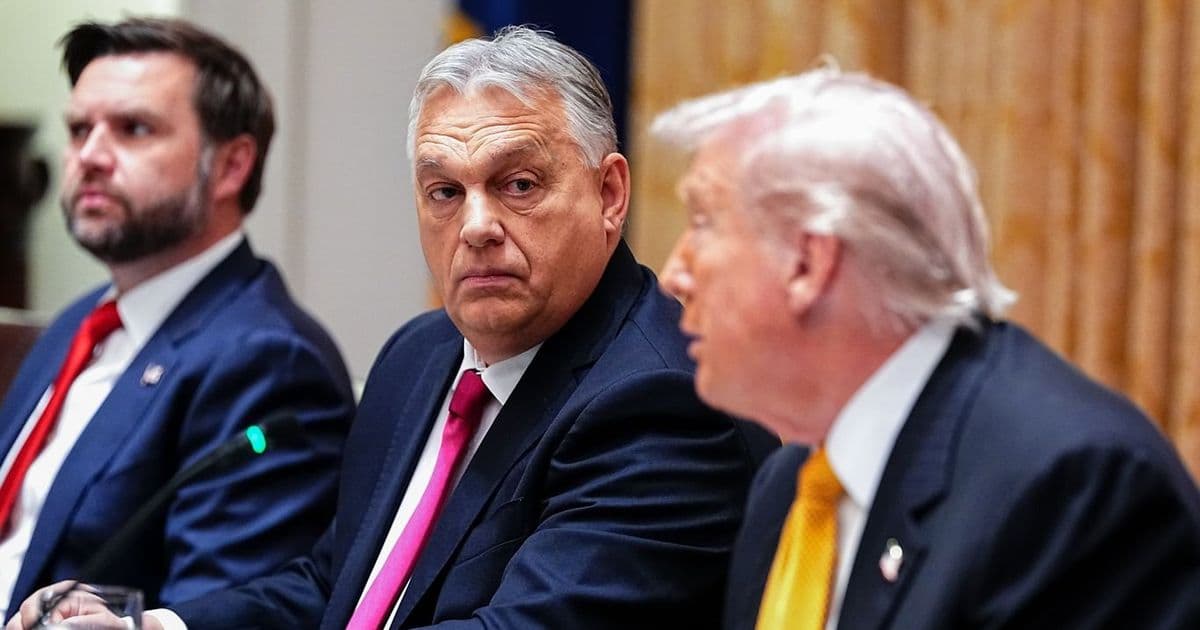
Hungary's upcoming election will test whether Trump's MAGA movement can successfully export its populist playbook to Europe, as Prime Minister Viktor Orban seeks to extend his 14-year rule amid economic struggles and growing opposition.
The Trump-aligned MAGA movement faces its most significant international challenge yet as Hungary prepares for a pivotal election that could determine whether populist nationalism can successfully transplant from American soil to European ground.
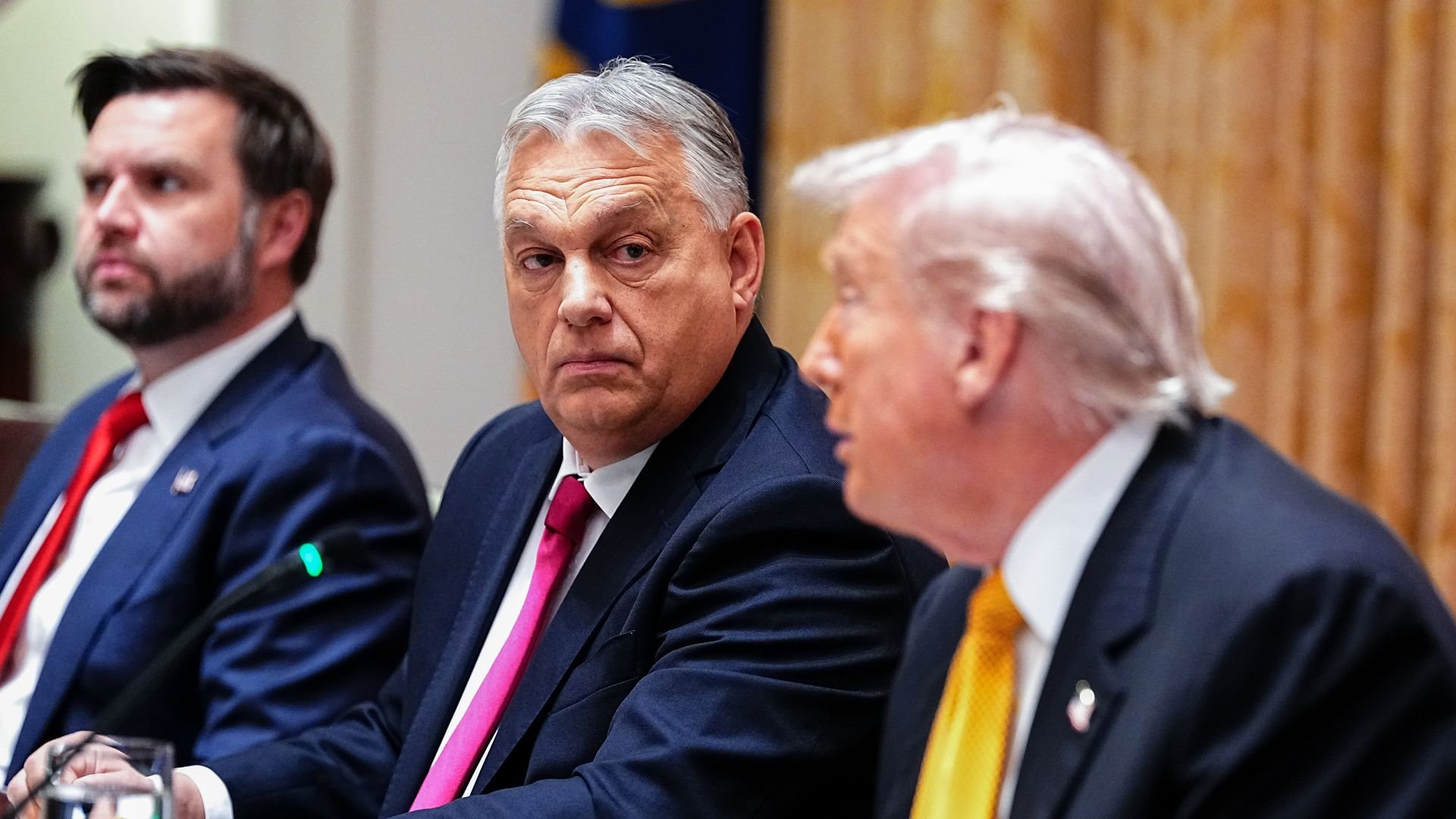
Hungary's April 3 parliamentary election represents more than a domestic political contest. It serves as a critical test case for whether Donald Trump's brand of populist politics can take root and flourish in a European context, particularly in a country that has become ground zero for the transatlantic far-right alliance.
The stakes extend far beyond Budapest. A victory for Prime Minister Viktor Orban would validate the MAGA model's international appeal and provide a blueprint for similar movements across Europe. Conversely, a defeat could signal the limitations of Trump-style populism in different cultural and institutional environments.
Orban, who has governed Hungary since 2010, has meticulously crafted his image as "Trump before Trump" - implementing hardline immigration policies, challenging EU authority, and cultivating a personality cult that mirrors the American president's approach. His government has systematically consolidated power through media control, judicial reforms, and electoral engineering that critics argue undermine democratic institutions.
However, Orban faces unprecedented headwinds. Hungary's economy has struggled with inflation exceeding 10%, a cost-of-living crisis that has eroded his traditional working-class base, and growing frustration with corruption scandals that have touched even his inner circle. The opposition, for the first time since 2010, has united behind a single candidate, creating a coalition broad enough to potentially unseat the long-ruling Fidesz party.
The election also carries significant implications for U.S.-Hungary relations and the broader transatlantic alliance. Orban has positioned himself as a bridge between Trump's America and European nationalists, hosting figures like Steve Bannon and maintaining close ties with other populist leaders across the continent. A Trump victory in 2024 would likely strengthen these connections, while a defeat could leave Orban politically isolated in Europe.
European observers are watching closely. The outcome could influence whether other nationalist movements attempt to replicate the MAGA playbook or seek alternative approaches. It may also determine whether Hungary continues its trajectory as a semi-autocratic state within the EU or returns to a more conventional democratic path.
The election's significance extends to the global information space as well. Both sides have engaged in sophisticated digital campaigns, with Orban's government leveraging state-controlled media and social networks while the opposition has mobilized younger, tech-savvy voters through alternative platforms. The effectiveness of these strategies could provide valuable lessons for political movements worldwide.
As Hungary heads to the polls, the results will offer crucial insights into whether Trump's MAGA movement represents a uniquely American phenomenon or a exportable model capable of reshaping politics across continents. The answer could reverberate far beyond Central Europe, influencing the future of democracy and populism in the 21st century.
Comments
Please log in or register to join the discussion