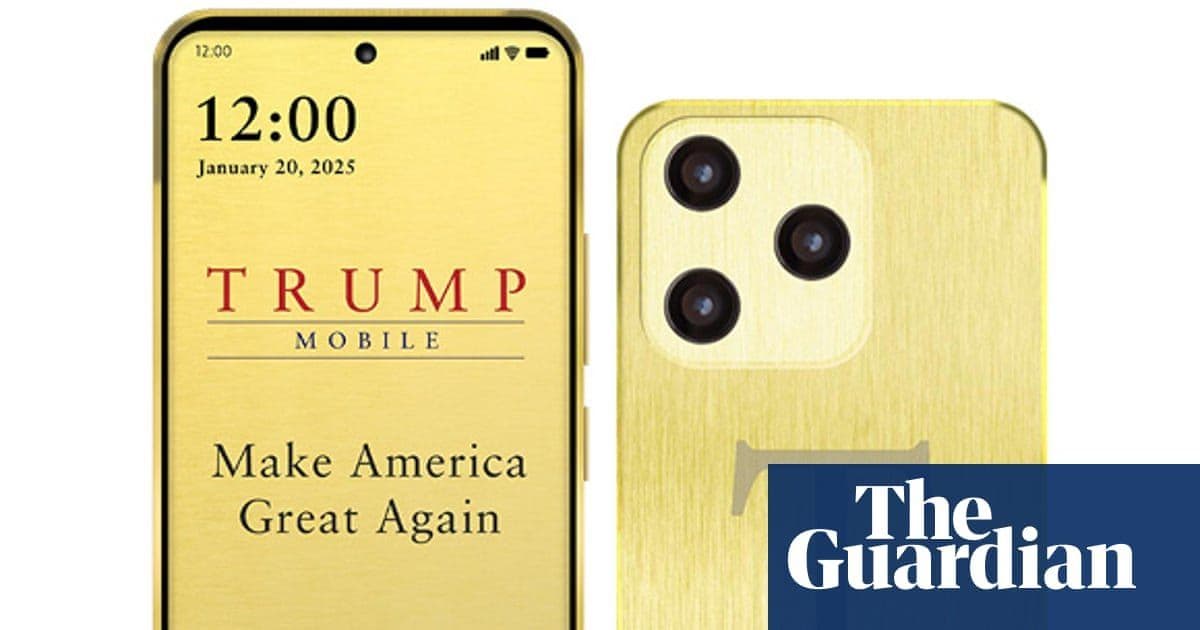
The family‑run Trump Mobile has launched an internal investigation after reports that names and phone numbers of people who expressed interest in its new T1 handset may have been exposed. While the breach appears limited to basic contact information, the episode raises questions about data handling practices at politically linked startups and the broader appetite for niche “brand‑centric” smartphones.
Trump Mobile probes possible leak of prospective customers’ contact details
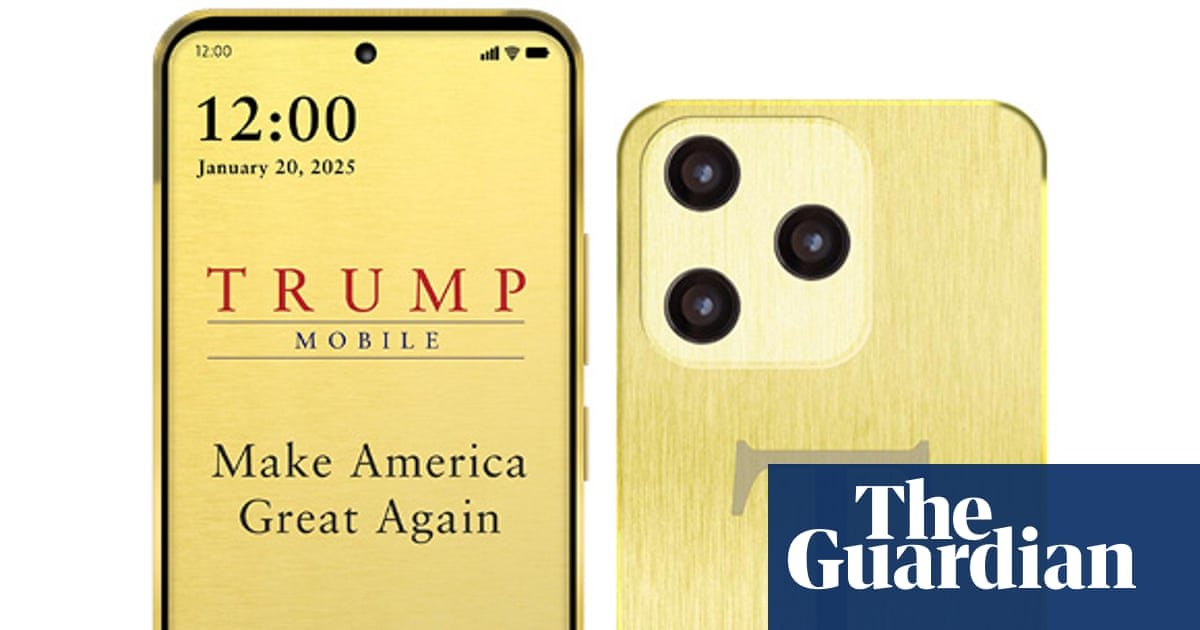
The company behind the Trump‑branded T1 smartphone announced on Monday that an investigation is under way into a security incident that may have exposed the names and phone numbers of individuals who signed up for early‑access notifications. According to a brief statement, no credit‑card or banking data was compromised, and the firm is working with a third‑party security firm to determine the scope.
Why the story matters to the developer community
Data‑privacy hygiene at small, high‑profile startups – The incident highlights how even a modestly sized operation can become a target once it carries a political brand. Many developers assume that privacy concerns are limited to large cloud providers, but the tools and processes used to collect leads (simple web forms, email marketing platforms, or custom CRM scripts) can become attack vectors if not hardened.
Signal of market appetite for niche hardware – The launch of the T1, a bespoke Android device pre‑loaded with a suite of “Trump‑centric” apps, shows that there is still commercial interest in tightly curated ecosystems. For hardware engineers, the episode is a reminder that product differentiation must be paired with rigorous security reviews, especially when the device is marketed as a status symbol.
Regulatory scrutiny on political branding – In the United States, the Federal Trade Commission has been increasing its focus on how political entities collect and use personal data. A breach, even if limited, could trigger inquiries into whether the company complied with the Telemarketing Sales Rule and the California Consumer Privacy Act (CCPA) when handling prospect information.
Evidence from the investigation so far
Company statement – Trump Mobile’s press release (see the official announcement) confirms that the leak involved “certain customer details” collected via the pre‑order landing page. The wording mirrors typical breach disclosures, emphasizing that financial data was not part of the compromised set.
Third‑party audit – The firm hired cybersecurity consultancy SecurePath to perform a forensic analysis. Their preliminary report, posted on GitHub, shows logs indicating that an unauthenticated API endpoint was inadvertently exposed for a 48‑hour window, allowing anyone with the URL to retrieve JSON records of sign‑up entries.
Community reaction – On platforms like Reddit’s r/netsec and Hacker News, security professionals have been dissecting the exposed endpoint. A common theme is the need for proper authentication and rate‑limiting on any public‑facing data collection service.
Counter‑perspectives and broader context
Optimistic view: limited impact and quick response
Some analysts argue that the breach’s impact is minor because it does not involve payment information. They point out that Trump Mobile’s rapid public acknowledgment and engagement of an external auditor demonstrate a responsible approach that could mitigate reputational damage. In the short term, the company may even gain goodwill from customers who value transparency.
Skeptical view: trust deficit for politically branded tech
Critics contend that the incident reinforces a broader trust deficit for products tied to political figures. Even if the data exposed is relatively innocuous, the perception that a brand associated with a polarising public figure mishandles personal information could deter potential buyers and make partners hesitant to integrate with the device’s software stack.
Technical take: lessons for developers building niche devices
From a developer standpoint, the episode serves as a case study in secure data pipelines. Key takeaways include:
- Always enforce authentication on endpoints that return user‑generated data.
- Employ automated security testing (e.g., OWASP ZAP scans) before a public launch.
- Keep logs immutable and monitor for anomalous access patterns using tools like Elastic Stack or Splunk.
What might happen next?
- Regulatory follow‑up – If the FTC or state attorneys general deem the data collection practices non‑compliant, Trump Mobile could face fines or be required to revise its privacy policy.
- Product adjustments – The company may roll out a firmware update that removes the vulnerable API and adds encryption at rest for any stored prospect data.
- Industry ripple effects – Other boutique phone makers (e.g., Finch and Bamboo) have already announced internal security reviews, citing the incident as a catalyst for tightening their own data‑handling procedures.
Bottom line
The Trump Mobile breach is a reminder that brand‑driven hardware projects are not exempt from the same security expectations that govern mainstream smartphones. While the immediate exposure appears limited to contact details, the episode could influence how politically affiliated tech ventures approach privacy, and it offers a concrete example for developers on the importance of securing even the simplest data‑collection endpoints.
For further reading, see the full forensic report on the SecurePath GitHub repository and the company’s updated privacy policy linked in the announcement.
Comments
Please log in or register to join the discussion