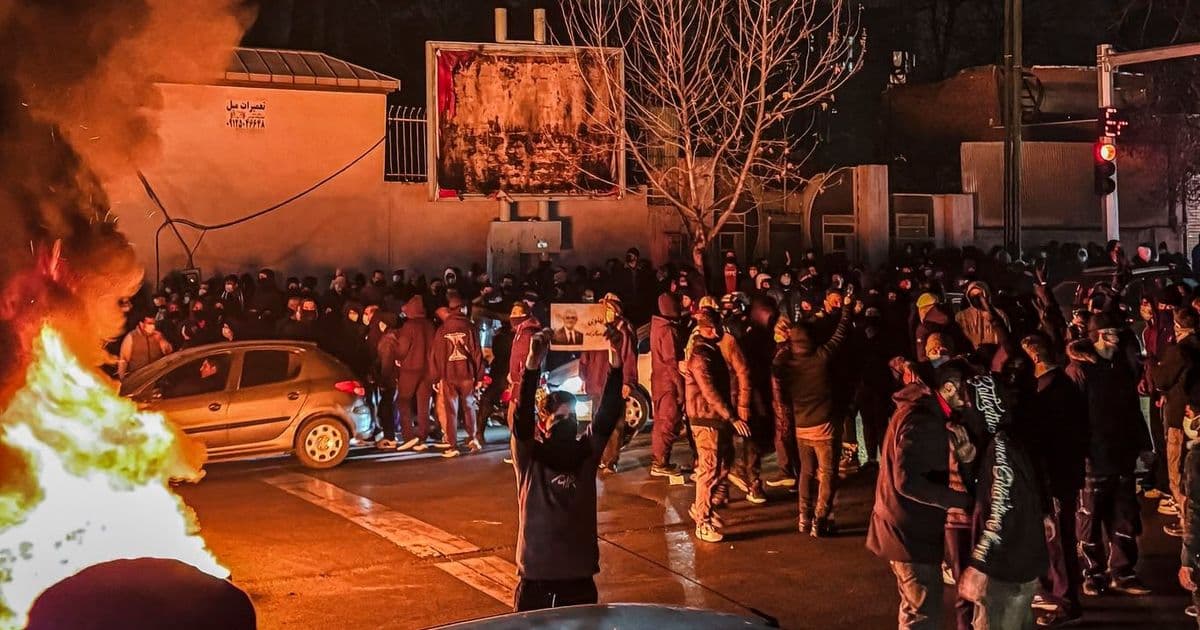
Former President Donald Trump's social media message encouraging Iranian protesters to 'take over' government institutions adds to a pattern of American political statements about Iran, but analysts question the practical effect of such rhetoric on the ground.
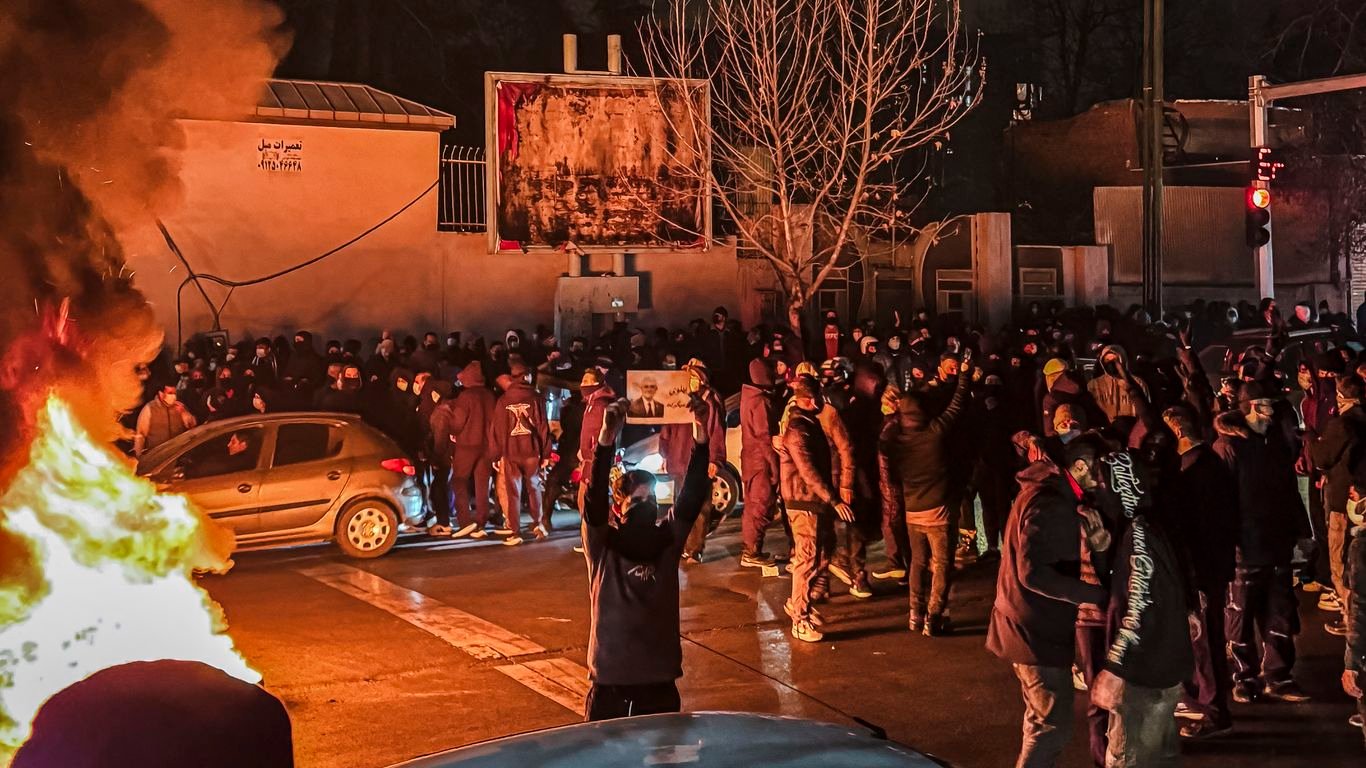
Former President Donald Trump posted a message on social media Saturday urging Iranian protesters to "take over" government institutions, continuing a long-standing American tradition of expressing solidarity with anti-regime demonstrators in Iran. The statement comes amid ongoing protests that have persisted for months following the death of Mahsa Amini in police custody.
Trump's message, delivered through his preferred platform, represents the latest in a series of American political figures' statements supporting Iranian protesters. The post follows similar expressions of support from current administration officials and bipartisan members of Congress. However, the practical impact of such statements remains questionable given the Iranian government's history of dismissing foreign criticism and using it to rally nationalist support.
Iranian authorities have consistently characterized foreign expressions of support for protesters as evidence of external interference, a narrative that resonates with segments of the Iranian population skeptical of Western intentions. State media frequently amplifies these claims, portraying domestic unrest as orchestrated from abroad rather than stemming from internal grievances.
The protesters' demands have evolved from initial calls for justice in Mahsa Amini's death to broader challenges against the Islamic Republic's mandatory hijab laws and, for some, the entire system of clerical rule. The movement has shown remarkable persistence despite severe crackdowns, with hundreds killed and thousands arrested according to human rights organizations.
American political statements, while symbolically important to some Iranian activists, face practical limitations. The Iranian government maintains tight control over internet access and information flows, limiting the reach of foreign messages. Additionally, the regime's security apparatus has demonstrated willingness to use force to suppress dissent, regardless of international condemnation.
International sanctions and diplomatic pressure have similarly failed to alter the Iranian government's approach to internal security. The current administration has walked a careful line, expressing support for protesters while attempting to preserve diplomatic channels for other priorities, including nuclear negotiations.
Trump's statement adds to the public record of American political figures' positions on Iran but arrives without new policy proposals or mechanisms for supporting protesters beyond existing sanctions and diplomatic statements. For Iranians risking their lives in the streets, the message provides moral support but no tangible assistance in overcoming the state's security forces.
The disconnect between rhetorical support and practical outcomes highlights the limited tools available to foreign governments when confronting internal repression in sovereign nations. Iranian protesters have largely relied on their own organizing capabilities and international media attention to sustain their movement, with foreign political statements serving more as background noise than catalyst for change.
Comments
Please log in or register to join the discussion