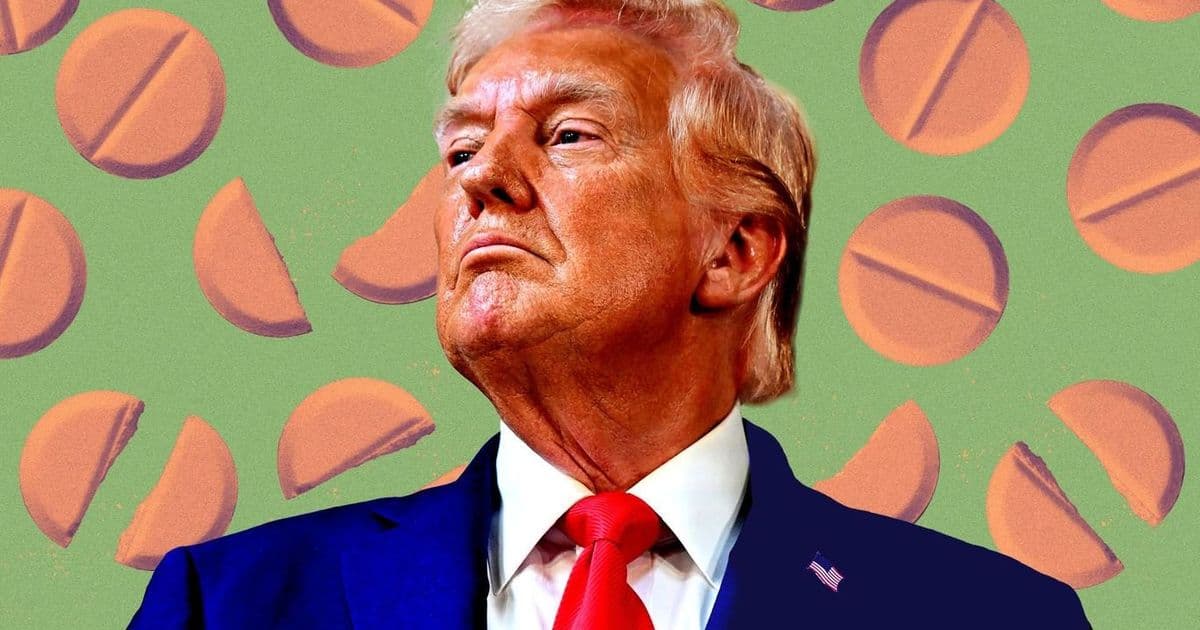
Former President Donald Trump has unveiled a new health policy framework aimed at reducing prescription drug and insurance costs through market competition and regulatory changes, positioning it as a successor to his previous administration's efforts.
Former President Donald Trump has outlined a new health policy framework he calls the "Great Health Plan," focusing on reducing prescription drug and insurance costs through market-based mechanisms. The proposal, revealed in a campaign-style announcement, emphasizes competition and regulatory adjustments rather than a single-payer or government-run system.
The framework includes several key components: allowing importation of prescription drugs from countries where they are sold at lower prices, expanding the use of health savings accounts, and promoting price transparency across healthcare services. Trump stated the plan would "bring down drug prices dramatically" by leveraging international markets and reducing what he described as regulatory barriers that keep costs high.
Industry analysts note that many of these ideas have been discussed in previous policy debates. Drug importation, for example, has faced opposition from pharmaceutical manufacturers citing safety and supply chain concerns. The Food and Drug Administration has historically raised questions about verifying the authenticity of imported drugs and ensuring they meet U.S. standards. Previous attempts to implement importation programs have been limited in scope.
The proposal also suggests expanding the use of health savings accounts, which allow consumers to set aside pre-tax money for medical expenses. Proponents argue this gives patients more control over their healthcare spending, while critics point out that HSAs primarily benefit higher-income households who can afford to contribute and save. The plan does not specify whether it would modify contribution limits or eligibility rules.
On insurance costs, the framework proposes increasing competition among insurers and promoting plans that cover fewer services in exchange for lower premiums. This approach aligns with previous Republican healthcare proposals that favored "skinny" plans with lower monthly costs but potentially higher out-of-pocket expenses when care is needed. The plan does not address pre-existing condition protections, which remain a popular provision under the Affordable Care Act.
Market context shows that U.S. healthcare spending reached $4.3 trillion in 2021, representing 18.3% of GDP—significantly higher than other developed nations. Prescription drug spending alone grew 7.7% to $378 billion in 2021, according to data from the Centers for Medicare & Medicaid Services. Insurance premiums have continued to rise, with the average annual family premium for employer-sponsored coverage reaching $22,221 in 2022, up 1% from the previous year.
The proposal arrives as several states are pursuing their own drug importation programs. Florida, Colorado, and Maine have received federal approval to import prescription drugs from Canada, though implementation has been slow due to logistical and regulatory hurdles. Canada has expressed concerns about potential shortages in its own market if U.S. states begin large-scale imports.
Health policy experts note that drug pricing remains complex, involving manufacturers, pharmacy benefit managers, insurers, and pharmacies. The plan does not address the role of middlemen in the pharmaceutical supply chain, which some economists argue contributes to high prices. Pharmacy benefit managers, or PBMs, negotiate discounts with drug manufacturers but often face criticism for lack of transparency in how those discounts are passed to consumers.
The framework also mentions promoting price transparency, building on existing federal requirements that hospitals post their prices online. Compliance with these rules has been uneven, and many patients find the information difficult to use when making healthcare decisions. The plan does not specify new enforcement mechanisms or penalties for non-compliance.
Insurance market changes could affect coverage options. Plans with fewer benefits, sometimes called "short-term" or "limited-duration" plans, were expanded under the Trump administration but later restricted by the Biden administration. These plans can deny coverage for pre-existing conditions and may not cover essential health benefits like maternity care or mental health treatment.
The proposal does not include a replacement for the Affordable Care Act's individual mandate penalty, which was eliminated in 2019. The absence of a mandate could affect insurance market stability by potentially increasing premiums for those who remain in comprehensive plans, as healthier individuals might opt for cheaper, less comprehensive coverage.
International comparisons show that other countries achieve lower drug prices through government negotiation or reference pricing, where prices are set based on what other nations pay. The U.S. system relies more on market negotiations, though Medicare is now allowed to negotiate prices for some drugs under the Inflation Reduction Act. Trump's plan does not mention expanding Medicare negotiation authority.
The framework's impact on innovation is a point of debate. Pharmaceutical companies argue that lower prices would reduce research and development funding, potentially slowing the development of new treatments. Some studies suggest that drug company profits are not directly correlated with R&D spending, with a significant portion of revenue going to marketing and shareholder returns.
Implementation would face significant political and legal challenges. Congress would need to pass legislation to change many aspects of the healthcare system, requiring bipartisan support in a divided government. Some proposals, like drug importation, could be pursued through executive action and regulatory changes, though these would likely face court challenges from industry groups.
The plan does not address broader healthcare issues like hospital consolidation, which has been shown to increase prices in many markets. It also doesn't mention strategies to address the social determinants of health, which account for a significant portion of healthcare costs. Mental health and behavioral health services, which have seen increased demand post-pandemic, receive limited attention in the framework.
State-level implementation would vary significantly. States have considerable authority over insurance regulation and could adopt or reject elements of the plan. Some states might pursue more aggressive drug importation programs, while others could focus on expanding health savings accounts or promoting alternative insurance models.
The proposal's timing positions it as a contrast to current administration policies, which have focused on expanding coverage through the ACA marketplace and strengthening protections for pre-existing conditions. The debate reflects a fundamental difference in approach: market-based competition versus government regulation and subsidies.
For consumers, the plan's impact would depend on their specific circumstances. Those with chronic conditions might face higher costs if insurance plans cover fewer services. Young, healthy individuals could see lower premiums but might be underinsured for unexpected medical needs. The expansion of health savings accounts could benefit those with sufficient income to contribute and the discipline to save for future expenses.
The pharmaceutical industry's response will be crucial. Companies have successfully lobbied against many pricing proposals in the past, arguing that price controls would stifle innovation. They might support certain elements like faster FDA approval processes or patent protections while opposing importation and price negotiation measures.
Insurance companies could benefit from expanded options for limited-benefit plans but might face pressure on comprehensive plan premiums if healthier individuals migrate to cheaper alternatives. The industry has generally supported market-based reforms but has been cautious about changes that could destabilize risk pools.
The plan's success would ultimately depend on implementation details not yet specified. Clear regulatory guidance, enforcement mechanisms, and transition plans would be needed for any of these proposals to move from concept to reality. The absence of these details makes it difficult to assess the plan's potential effectiveness or cost.
The proposal adds to an ongoing national conversation about healthcare costs that spans political parties and policy circles. While the specific mechanisms differ, there is broad agreement that healthcare affordability remains a critical issue for American families and the economy. The debate will likely continue through the election cycle and beyond, with various stakeholders advocating for their preferred approaches to reducing costs while maintaining quality and access.
Healthcare policy experts emphasize that any significant reform requires careful consideration of unintended consequences. Changes to one part of the system often affect other areas, and the interconnected nature of healthcare means that isolated reforms may have limited impact. Comprehensive solutions typically require addressing multiple factors simultaneously, including drug pricing, insurance design, provider payment models, and preventive care.
The plan's emphasis on market competition reflects a long-standing conservative approach to healthcare reform, contrasting with progressive proposals for expanded government programs. This ideological divide ensures that healthcare policy will remain a central issue in political debates, with each side presenting different visions for how to achieve affordable, accessible care for all Americans.
Comments
Please log in or register to join the discussion