President Trump is centering his administration's strategy on military strength, with the Pentagon taking a dominant role in foreign policy and national security decisions.
President Trump is placing an unprecedented bet on military power, positioning the Pentagon at the center of his administration's strategy as he declares "we're fighting wars" on multiple fronts. This Pentagon-first approach marks a significant shift in how the White House is conducting foreign policy and national security operations.
Military Dominance in Decision-Making
The Trump administration has increasingly delegated key foreign policy decisions to military leadership, with Defense Secretary Pete Hegseth and Joint Chiefs Chairman CQ Brown taking prominent roles in shaping America's global posture. This represents a departure from traditional civilian-led diplomatic channels, as military officials now drive conversations on everything from trade negotiations to international alliances.
Strategic Implications
This military-centric approach has several immediate consequences:
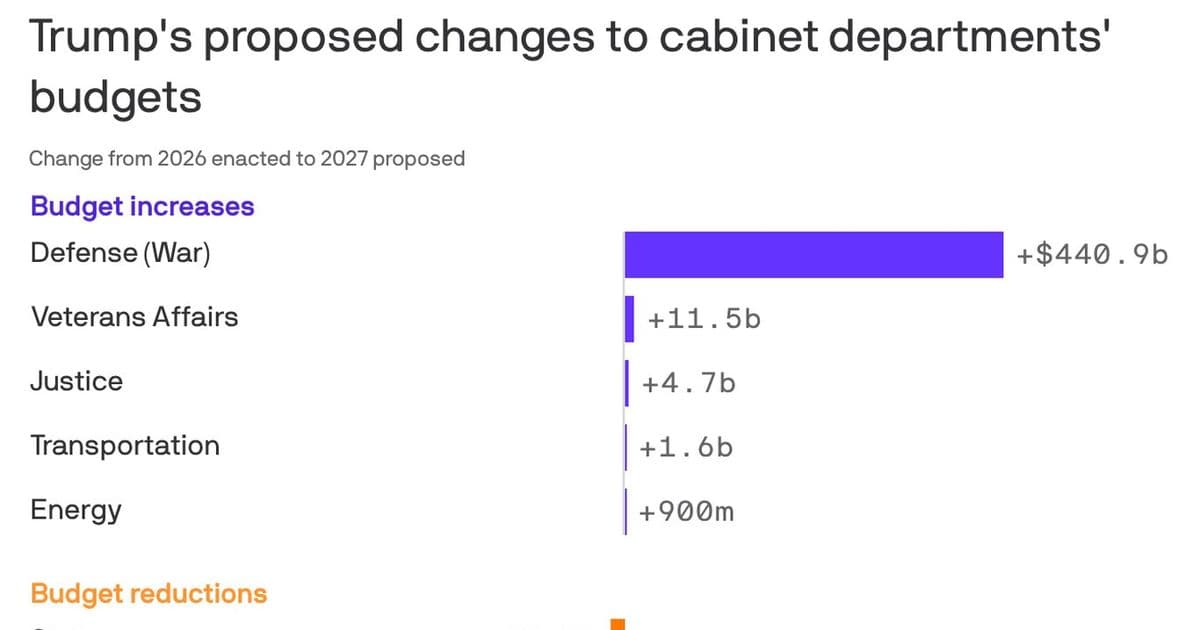
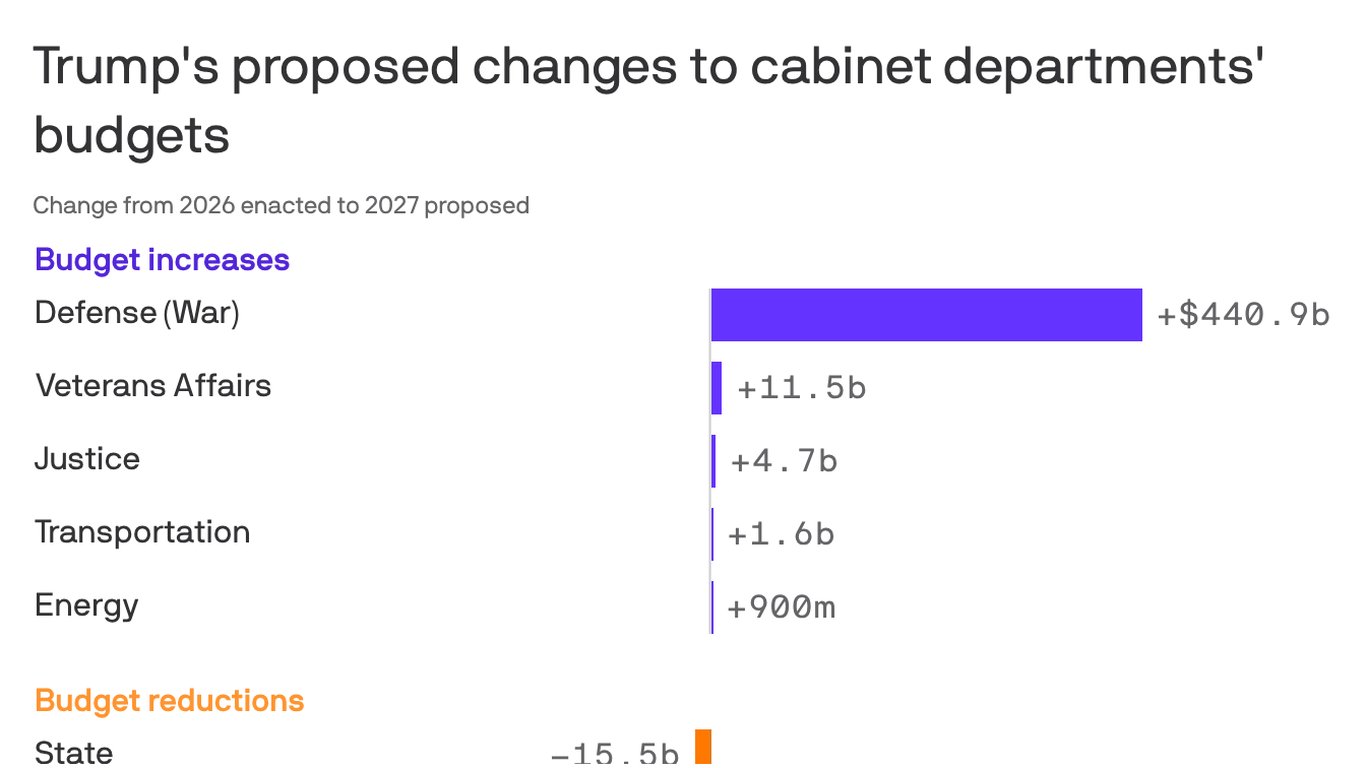
- Accelerated Defense Spending: The Pentagon's budget has seen substantial increases, with new allocations for advanced weapons systems and expanded troop deployments
- Diplomatic De-emphasis: State Department resources have been scaled back as military solutions take precedence
- Alliance Realignment: Traditional diplomatic partnerships are being reevaluated through a military effectiveness lens
Domestic Political Calculations
Trump's bet on military leadership appears calculated to appeal to his base, which has consistently shown strong support for defense spending and a muscular foreign policy. By positioning the Pentagon as the primary instrument of American power, the administration is betting that voters will reward strength and decisiveness over diplomatic nuance.
International Reactions
America's allies have expressed concern about this shift, with several NATO partners privately questioning whether the United States remains committed to multilateral diplomatic solutions. Adversaries, meanwhile, appear to be recalibrating their strategies in response to what they perceive as a more confrontational American posture.
Economic Dimensions
The Pentagon-first strategy has significant economic implications. Defense contractors have seen their stock prices rise, while traditional diplomatic channels that support American businesses abroad have been weakened. This creates a complex economic landscape where military strength is prioritized over commercial relationships.
Historical Context
While presidents have historically relied on military advisors, the current administration's approach represents an unusual concentration of power within the Defense Department. This echoes certain aspects of wartime presidencies but occurs during a period without formal declarations of war.
What Comes Next
The success of Trump's Pentagon-first presidency will likely depend on whether military solutions can effectively address complex global challenges that have traditionally required diplomatic finesse. As the administration doubles down on this strategy, the coming months will reveal whether this bet on military power pays dividends or creates new complications for American foreign policy.
The featured image shows President Trump meeting with Pentagon officials, highlighting the administration's focus on military leadership in decision-making processes.
Comments
Please log in or register to join the discussion