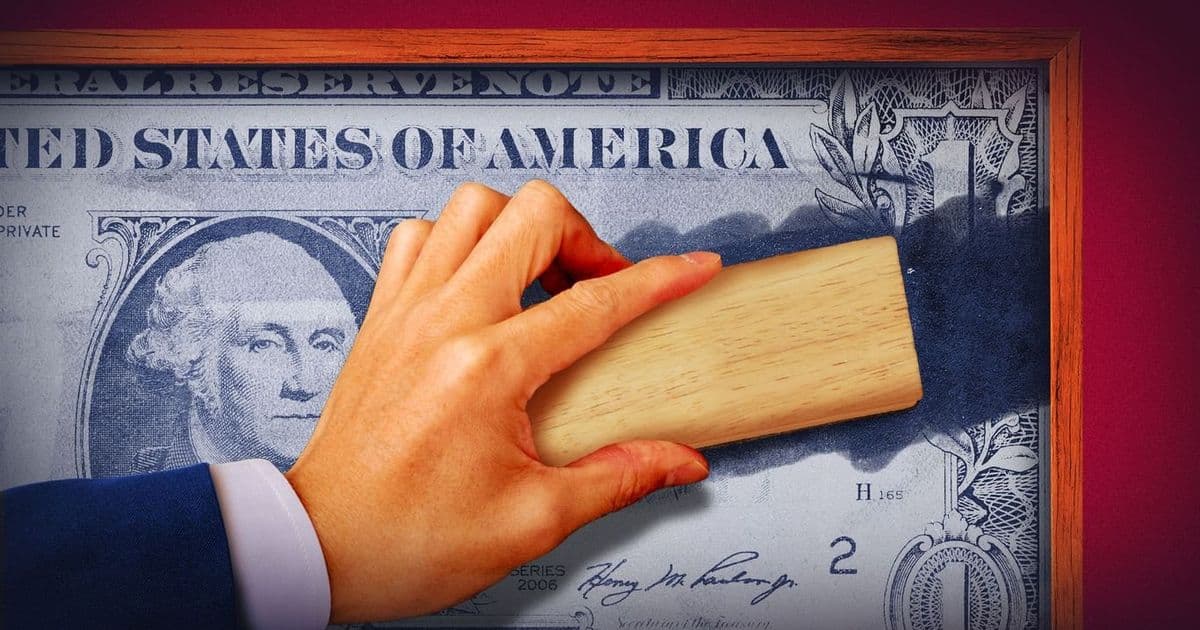
The Trump administration is adding the former president's signature to U.S. currency as Americans increasingly shift to digital payments.
The Trump administration is moving forward with plans to add Donald Trump's signature to U.S. currency, a symbolic change that comes as Americans continue to abandon cash in favor of digital payment methods.
The Treasury Department announced that Trump's signature will appear on new currency designs, though officials have not specified which denominations will feature the former president's autograph. This marks a departure from tradition, as presidential signatures have rarely appeared on U.S. paper money.
Cash usage in America has declined dramatically over the past decade. According to the Federal Reserve, cash transactions accounted for just 18% of all payments in 2022, down from 30% in 2017. The trend accelerated during the COVID-19 pandemic, when many businesses stopped accepting cash altogether.
Digital payment adoption continues to surge. Mobile payment apps like Venmo, Cash App, and Apple Pay have seen explosive growth, with total transaction volume reaching $4.3 trillion in 2023, according to industry analysts. Credit and debit card usage now represents over 70% of all retail transactions.
The timing of Trump's signature addition raises questions about the administration's priorities. Critics argue that focusing on currency design changes while cash usage declines represents misplaced emphasis. Supporters counter that the move honors a sitting president's legacy.
Several factors drive the shift away from cash:
- Contactless payment convenience
- Rewards credit card programs
- Digital banking accessibility
- Business preference for electronic transactions
- Generational comfort with technology
The Federal Reserve is exploring a potential central bank digital currency (CBDC), though no official launch timeline exists. Meanwhile, cryptocurrency adoption continues to grow, with Bitcoin and other digital assets gaining mainstream acceptance.
Small businesses report mixed impacts from declining cash use. While electronic payments reduce handling costs and security risks, some establishments still prefer cash for tax reasons or to avoid credit card processing fees, which typically range from 2-3% per transaction.
The Treasury Department has not announced when Trump's signature will begin appearing on currency or which denominations will be affected first. The change will likely take months to implement across the nation's currency supply chain.
As digital payments become the norm, the addition of Trump's signature to physical currency may become a historical footnote rather than a significant cultural marker. The transition away from cash continues regardless of whose name appears on the bills.
Comments
Please log in or register to join the discussion