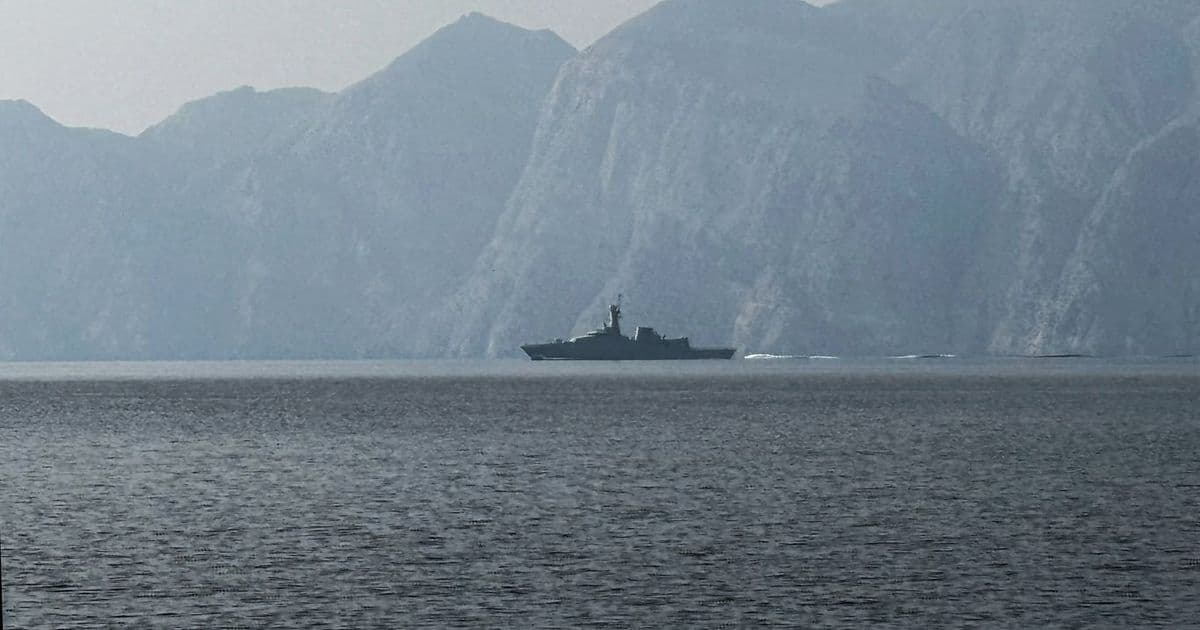
President Trump faces diplomatic hurdles as key allies resist joining a naval coalition to secure the Strait of Hormuz, with European nations and Gulf states wary of escalating tensions with Iran.
Trump struggles to build coalition to reopen Strait of Hormuz amid Iran war
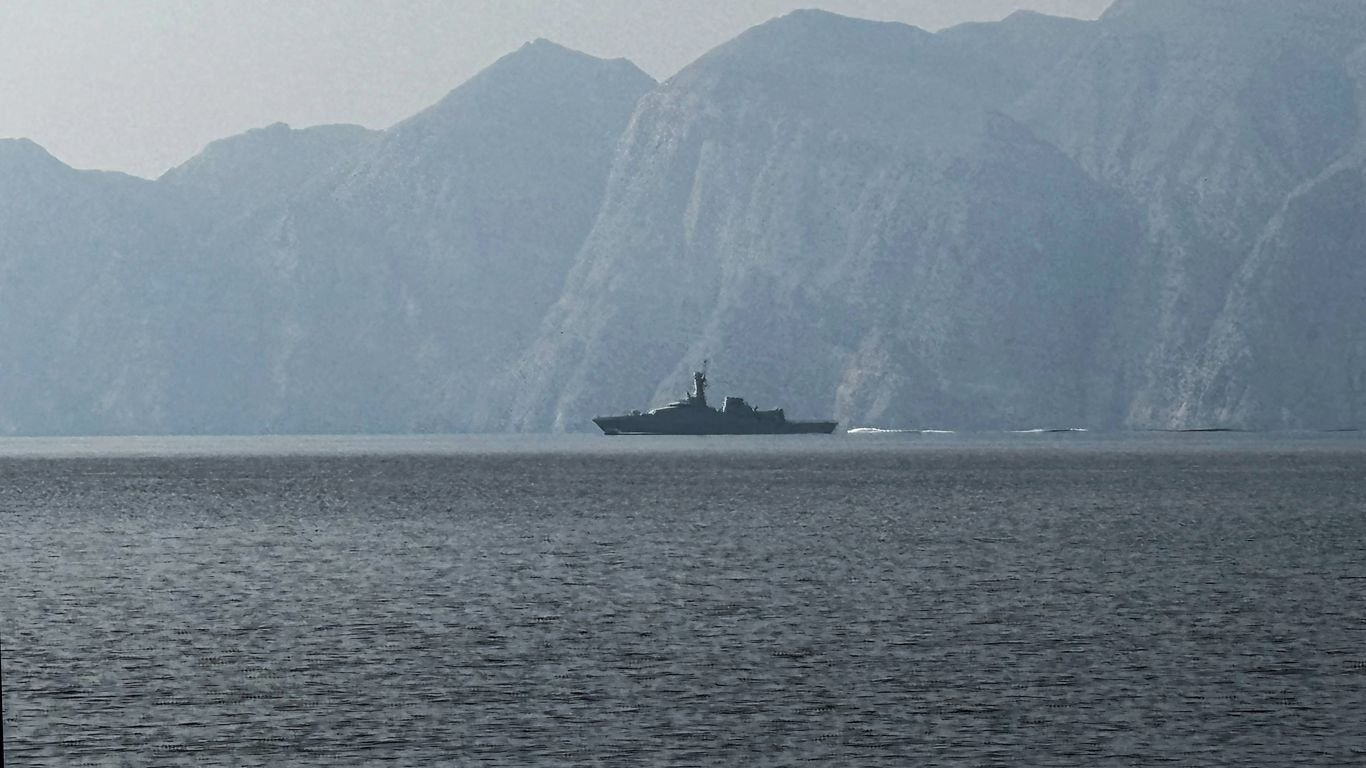
President Trump is encountering significant resistance from traditional allies as he attempts to assemble an international coalition to secure the Strait of Hormuz, the critical waterway through which roughly 20% of the world's oil passes. The diplomatic effort comes amid escalating tensions with Iran, which has threatened to close the strategic chokepoint in response to renewed U.S. sanctions.
European allies balk at military commitment
European nations, already strained by disagreements over Ukraine and trade policy, are proving reluctant to commit naval assets to a U.S.-led mission. France and Germany have expressed concerns that a military presence could provoke rather than deter Iranian aggression. "The Europeans are worried about being dragged into a conflict they don't control," said a European diplomat familiar with the discussions.
The United Kingdom, while historically aligned with U.S. naval operations, has signaled it will only participate if the mission has clear United Nations backing - a condition that appears unlikely given Russia and China's positions on the Security Council.
Gulf states demand guarantees
Regional partners in the Persian Gulf are also hedging their bets. Saudi Arabia and the United Arab Emirates, though hostile to Iran, are seeking explicit U.S. security guarantees before committing resources. The Gulf states are particularly concerned about Iranian retaliation against their oil infrastructure and civilian targets.
"The Saudis want to know what happens if an Iranian missile hits an Aramco facility while their navy is operating under a U.S. flag," noted a Gulf security analyst. "They're not convinced Washington has a credible response plan."
Economic implications mount
The diplomatic stalemate is already affecting global markets. Oil prices have surged 15% since tensions escalated, with Brent crude trading above $85 per barrel. Shipping companies are reporting a 30% increase in insurance premiums for vessels transiting the strait, costs that will likely be passed to consumers.
Major energy companies are reassessing their operations. Shell and TotalEnergies have delayed expansion projects in Qatar, while BP has begun contingency planning for potential supply disruptions. The International Energy Agency estimates that a complete closure of the strait could remove 21 million barrels per day from global markets - roughly equivalent to the combined daily consumption of the United States and China.
Military options narrowing
Without allied support, U.S. military planners face difficult choices. The Navy's Fifth Fleet, based in Bahrain, has approximately 20,000 personnel and dozens of vessels in the region, but experts say this force is insufficient to both escort commercial shipping and maintain a credible deterrent posture.
"The math doesn't work," said a former Pentagon official. "You can either protect the tankers or project power, but not both with the forces currently available."
Some within the administration have floated the idea of employing private security contractors to escort commercial vessels, an approach that would avoid the political complications of a formal coalition but raises legal and liability concerns.
Diplomatic backchannels active
Behind the scenes, U.S. diplomats are exploring alternative approaches. The State Department has initiated talks with Oman, which maintains relatively good relations with both Washington and Tehran, about potentially mediating a de-escalation agreement.
Meanwhile, the United Arab Emirates has proposed a regional maritime security initiative that would include Iran - an idea that has gained some traction among Gulf states but faces skepticism in Washington.
Strategic implications
The inability to quickly assemble a coalition represents a significant setback for U.S. strategy in the Middle East. It suggests that Trump's "America First" approach, which has strained traditional alliances, may have left the United States without the diplomatic infrastructure needed for complex multilateral operations.
"This is more than just a tactical problem," said a Middle East policy expert at a Washington think tank. "It's a fundamental question about whether the U.S. can still lead coalitions when it needs them most."
What happens next
With diplomatic efforts stalled and military options limited, attention is turning to potential off-ramps. Iranian officials have indicated they might be willing to discuss maritime security arrangements if certain sanctions are eased, though the White House has so far rejected any concessions.
The coming weeks will be critical. Energy markets are watching closely, and any further escalation could trigger broader economic consequences. For now, the Strait of Hormuz remains a potential flashpoint where diplomatic failure could have immediate and severe global impacts.
Comments
Please log in or register to join the discussion