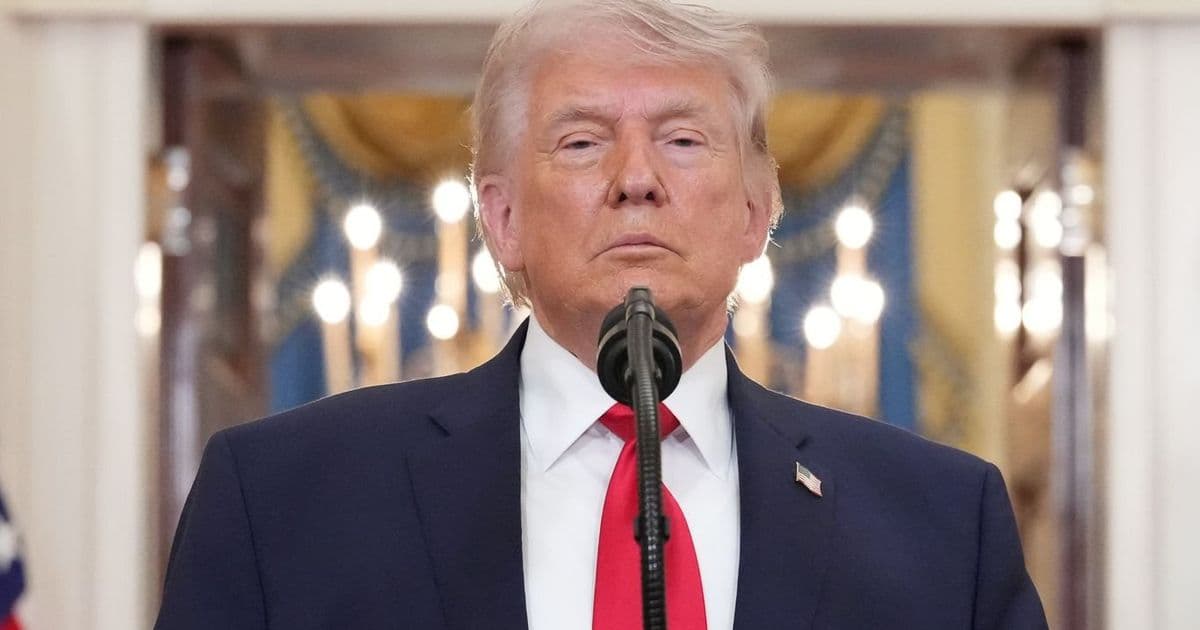
President Trump has given Iran a 48-hour ultimatum to reopen the strategically vital Hormuz Strait, threatening severe consequences if the waterway remains blocked.
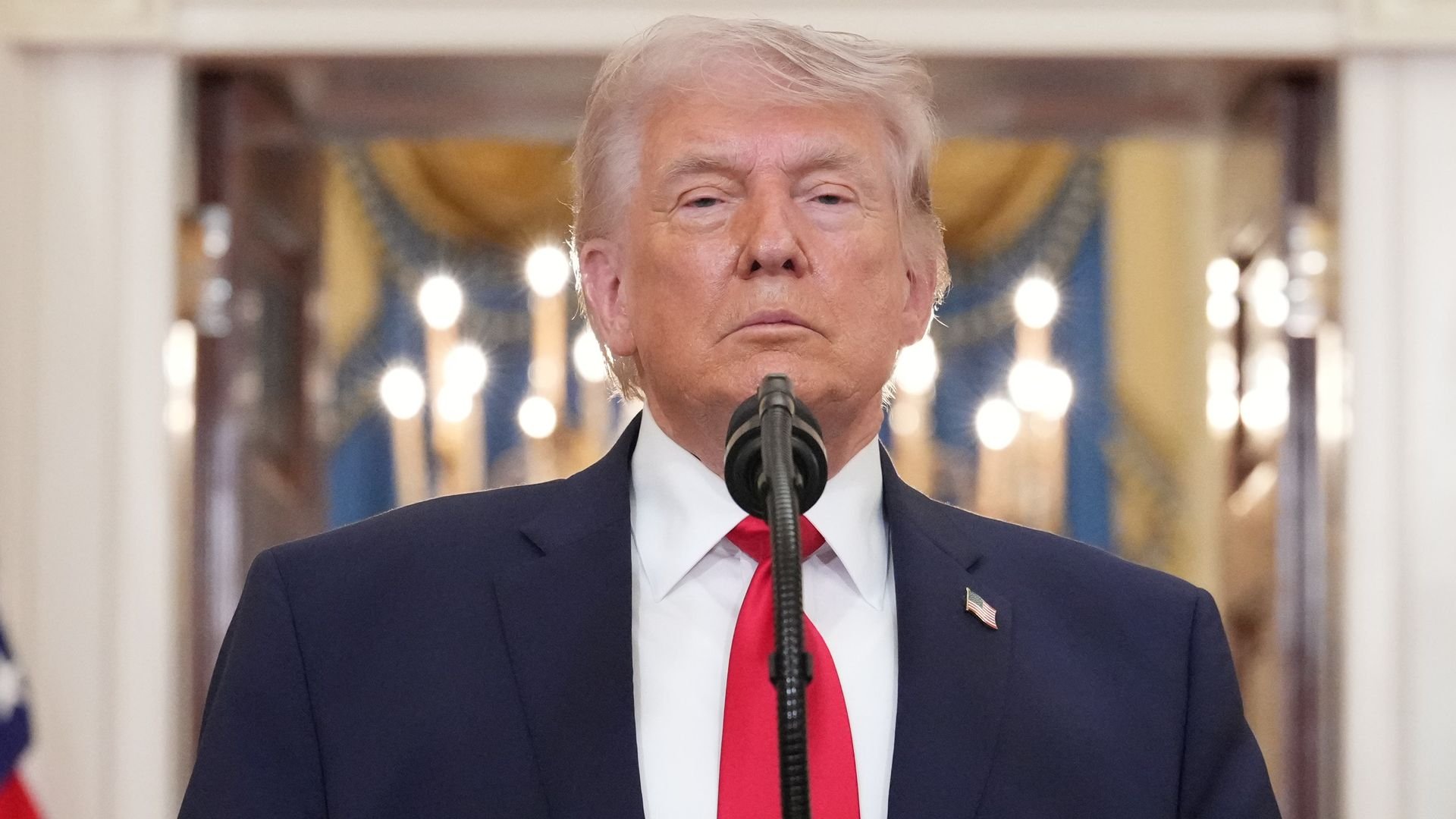
President Donald Trump has issued a stark ultimatum to Iran, threatening severe consequences if the country does not reopen the Strait of Hormuz within 48 hours. The president's warning, delivered via social media, stated that Iran would face "hell" if the vital waterway remained closed.
The Strait of Hormuz, a narrow passage connecting the Persian Gulf with the Gulf of Oman, handles approximately 20% of global oil shipments. Its closure would have immediate and severe impacts on global energy markets and international trade.
Iran has periodically threatened to close the strait in response to U.S. sanctions and military pressure. The country's Revolutionary Guard has conducted naval exercises in the area and seized foreign vessels in recent years, raising tensions in this critical maritime chokepoint.
Trump's ultimatum comes amid escalating tensions between the United States and Iran. The two nations have been engaged in a shadow conflict involving cyberattacks, proxy warfare, and economic sanctions since the U.S. withdrew from the 2015 nuclear deal in 2018.
The 48-hour deadline represents an unusually compressed timeline for such a significant geopolitical confrontation. Military analysts note that any attempt to forcibly reopen the strait would likely require substantial naval assets and could trigger a broader regional conflict.
Global oil prices spiked following the president's statement, with Brent crude futures rising 3.2% to $82.45 per barrel. Energy traders are particularly concerned about potential disruptions to supply chains and the impact on already volatile markets.
Regional allies have expressed concern about the escalating rhetoric. Saudi Arabia and the United Arab Emirates, while historically opposed to Iran, have urged diplomatic solutions to avoid military confrontation that could destabilize the entire region.
The United Nations Security Council is expected to convene an emergency session to address the crisis. China and Russia, both permanent members with veto power, have called for restraint and warned against unilateral military action.
Iran has not yet responded publicly to Trump's ultimatum. However, Iranian state media has previously characterized similar threats as "psychological warfare" and vowed to defend its territorial waters and strategic interests.
Military experts estimate that Iran possesses significant asymmetric capabilities in the region, including anti-ship missiles, naval mines, and proxy forces that could complicate any U.S. military response. The country has also demonstrated cyber warfare capabilities that could target critical infrastructure.
The situation remains fluid, with global markets and diplomatic channels on high alert as the 48-hour deadline approaches. The international community is watching closely to see whether this represents another round of rhetorical escalation or a genuine threat of military confrontation in one of the world's most sensitive regions.
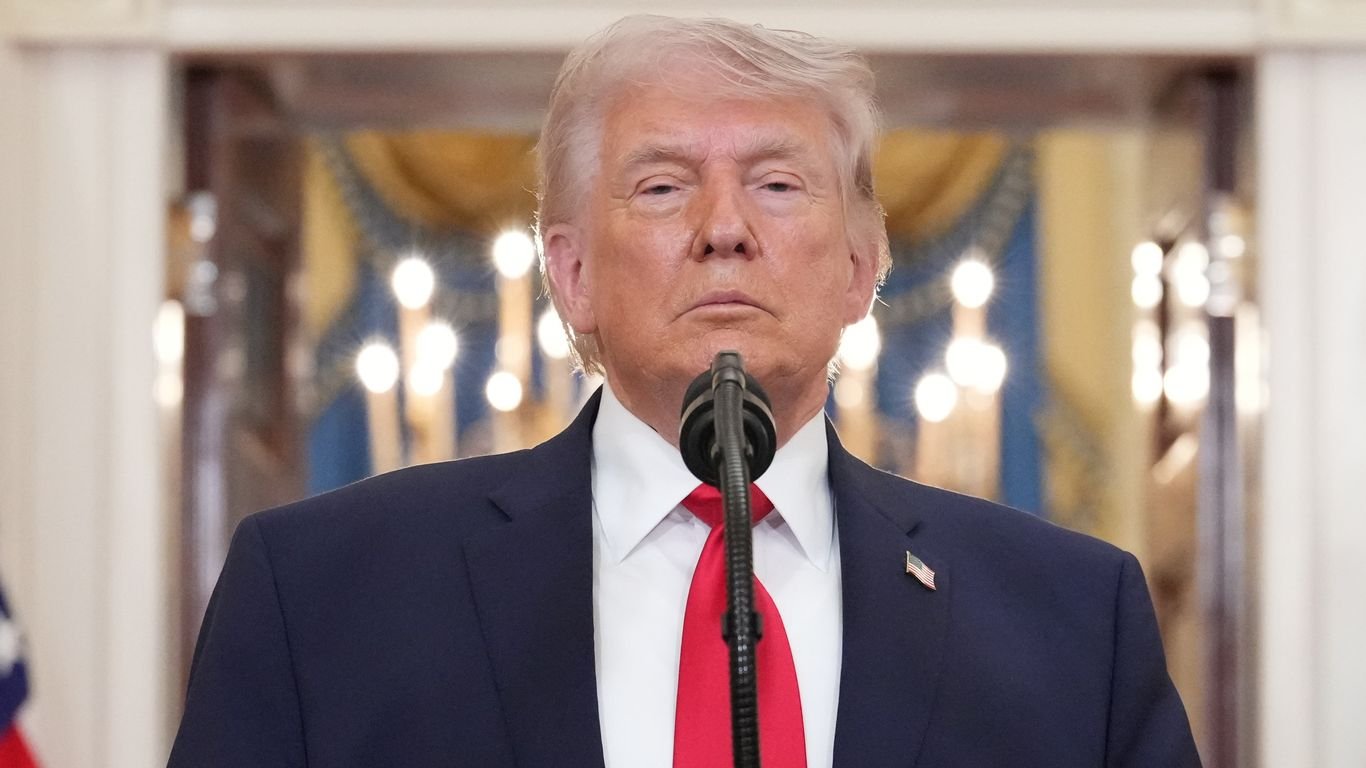
As tensions mount, questions persist about the strategic objectives behind such an aggressive stance and what specific actions would constitute compliance with the president's demands. The coming hours will be critical in determining whether diplomacy can prevail or if the region is headed toward a dangerous military confrontation.
Comments
Please log in or register to join the discussion