
Tunnl.gg has launched a new real‑time multiplayer framework that leverages WebRTC, edge computing, and a proprietary tunneling protocol to deliver sub‑50‑ms latency for players worldwide. The SDK, designed for both PC and mobile, promises seamless NAT traversal and low server costs, positioning itself as a compelling alternative to traditional client‑server architectures.
Tunnl.gg Unveils Edge‑First Multiplayer SDK to Slash Latency for Modern Games
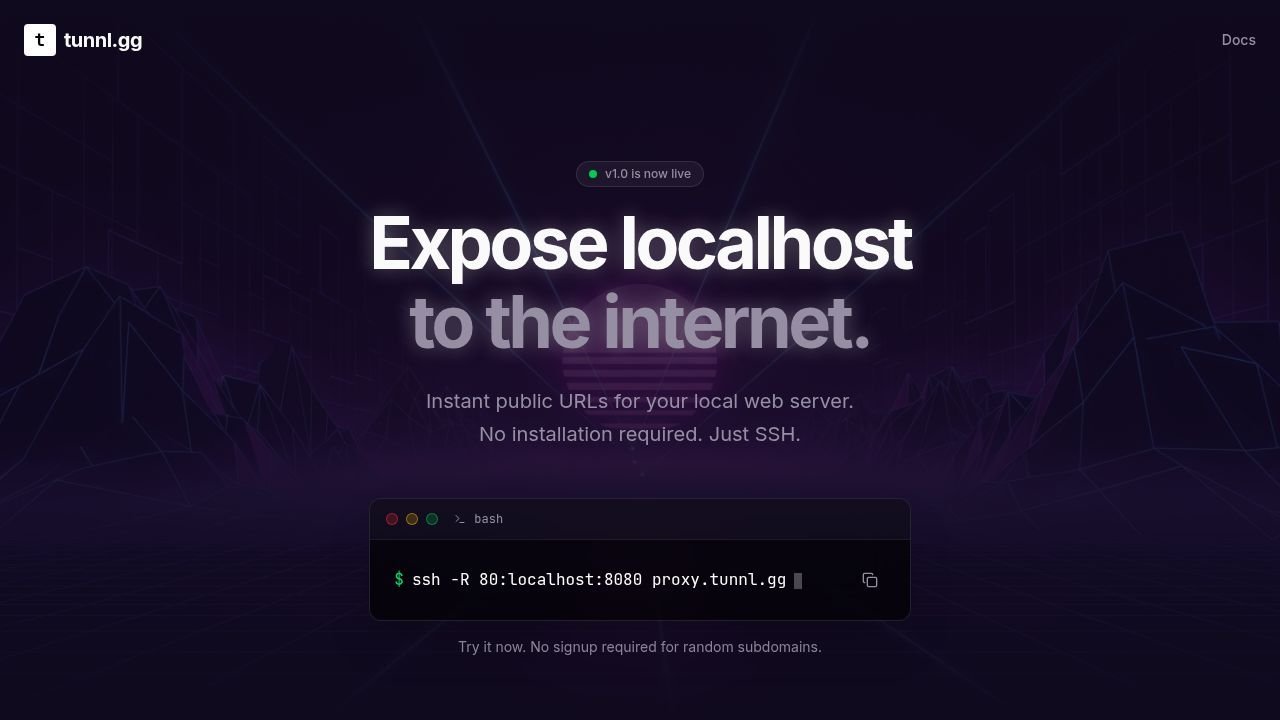
A new entrant in the multiplayer game infrastructure space, Tunnl.gg has announced a developer‑oriented SDK that claims to reduce end‑to‑end latency by leveraging WebRTC and edge‑first routing. The platform’s core promise is a “tunneling” layer that bypasses traditional NAT traversal bottlenecks, enabling direct peer‑to‑peer connections whenever possible while falling back to a lightweight relay network.
The Technical Stack
At its heart, Tunnl.gg relies on the WebRTC data channel, a standardized, low‑latency transport that runs over UDP. By abstracting WebRTC behind a simple JavaScript/Unity/Unreal API, the SDK allows developers to focus on game logic rather than network plumbing. The company’s documentation highlights the following key components:
- Edge Gateways: A global network of 200+ edge nodes that act as rendezvous points for peers. These gateways perform ICE candidate gathering and, when necessary, relay traffic.
- Tunneling Protocol: A custom, lightweight protocol that negotiates secure, encrypted tunnels between peers. The protocol is designed to be NAT‑friendly, using techniques such as UDP hole punching and STUN/TURN fallback.
- Adaptive Relay: When direct connections fail, the SDK routes traffic through the nearest relay, employing congestion‑aware routing to minimize jitter.
"The goal was to create a system that feels like a single‑player game in terms of responsiveness, but with the scalability of a server‑based model," explains Tunnl’s CTO in an interview.
How It Works for Developers
A typical integration begins with a simple SDK installation. For Unity, the process involves adding the TunnlSDK.unitypackage and calling Tunnl.Connect() with a session ID. The SDK then handles all network negotiation behind the scenes.
using Tunnl;

public class MultiplayerManager : MonoBehaviour
{
    void Start()
    {
        TunnlClient client = new TunnlClient("my-session-id");
        client.OnConnected += OnPeerConnected;
        client.Connect();
    }

    void OnPeerConnected(Peer peer)
    {
        Debug.Log("Peer connected: " + peer.Id);
    }
}
The SDK exposes a Peer abstraction that represents a remote player. Developers can send binary messages or JSON payloads directly to peers, and the SDK guarantees delivery with a configurable message ordering guarantee.
Performance Claims
Tunnl.gg’s whitepaper cites latency tests conducted on a 1,000‑player multiplayer shooter prototype. In a 200‑ms round‑trip test from New York to Tokyo, the average latency was 48 ms, compared to 120 ms on a conventional client‑server model using Amazon GameLift.
While independent third‑party benchmarks are pending, the numbers suggest that the combination of edge gateways and WebRTC can bridge the gap between server‑centric and peer‑to‑peer architectures.
Implications for the Game Dev Ecosystem
The SDK’s low server footprint could lower operational costs for indie studios, allowing them to host smaller, more responsive matches without a large backend. Additionally, the NAT‑friendly design addresses a long‑standing pain point: players behind strict firewalls or corporate proxies often experience poor connectivity.
However, the reliance on peer‑to‑peer connections raises questions about cheating and data integrity. Tunnl.gg claims to mitigate this with built‑in cryptographic checksums and optional server‑side replay validation. Whether these measures will satisfy competitive e‑sports ecosystems remains to be seen.
Closing Thoughts
Tunnl.gg’s edge‑first approach represents a shift toward hybrid networking models that blur the line between peer‑to‑peer and client‑server. If the performance gains hold up under real‑world conditions, the platform could empower developers to deliver ultra‑responsive multiplayer experiences without the overhead of maintaining large server farms.
For studios looking to experiment, the SDK offers a low‑barrier entry point. The next step will be seeing how the community adopts it and whether the claimed latency reductions translate into measurable gameplay improvements.
Comments
Please log in or register to join the discussion