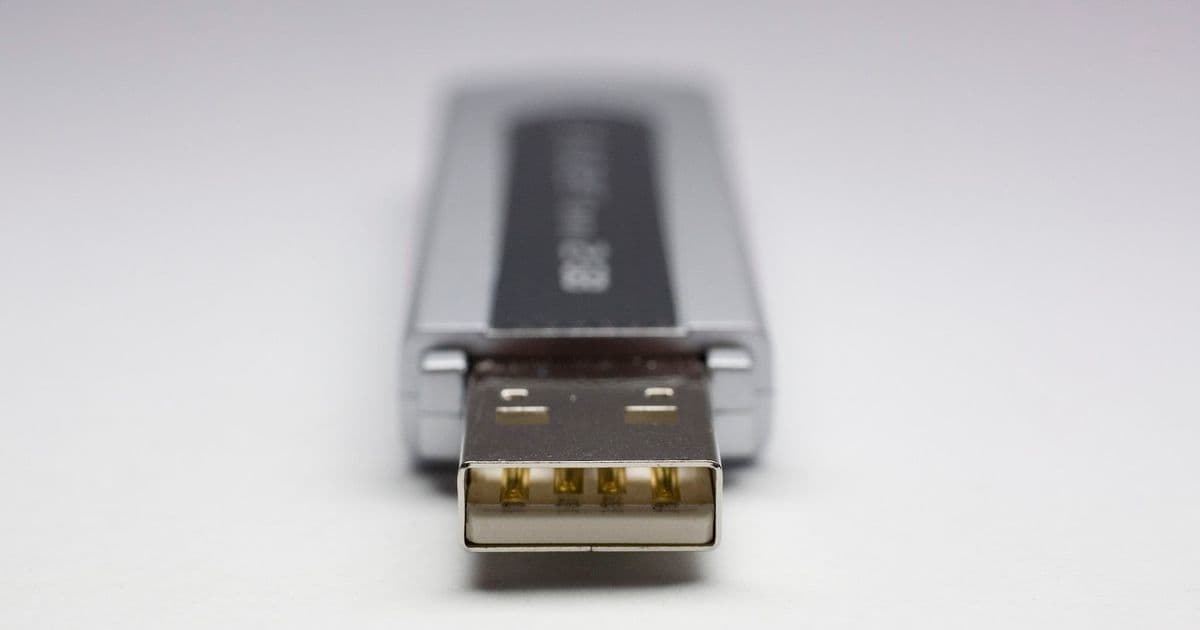
A long-term test of USB flash drives shows zero data corruption after six years of unpowered storage, challenging conventional wisdom about their reliability.
A long-term experiment testing USB flash drive data retention is yielding surprising results that challenge conventional wisdom about these ubiquitous storage devices. After six years of unpowered storage, a set of USB sticks shows no signs of data corruption, suggesting that the expected lifespan of flash memory in consumer devices may be significantly underestimated.
The Long-Term Test
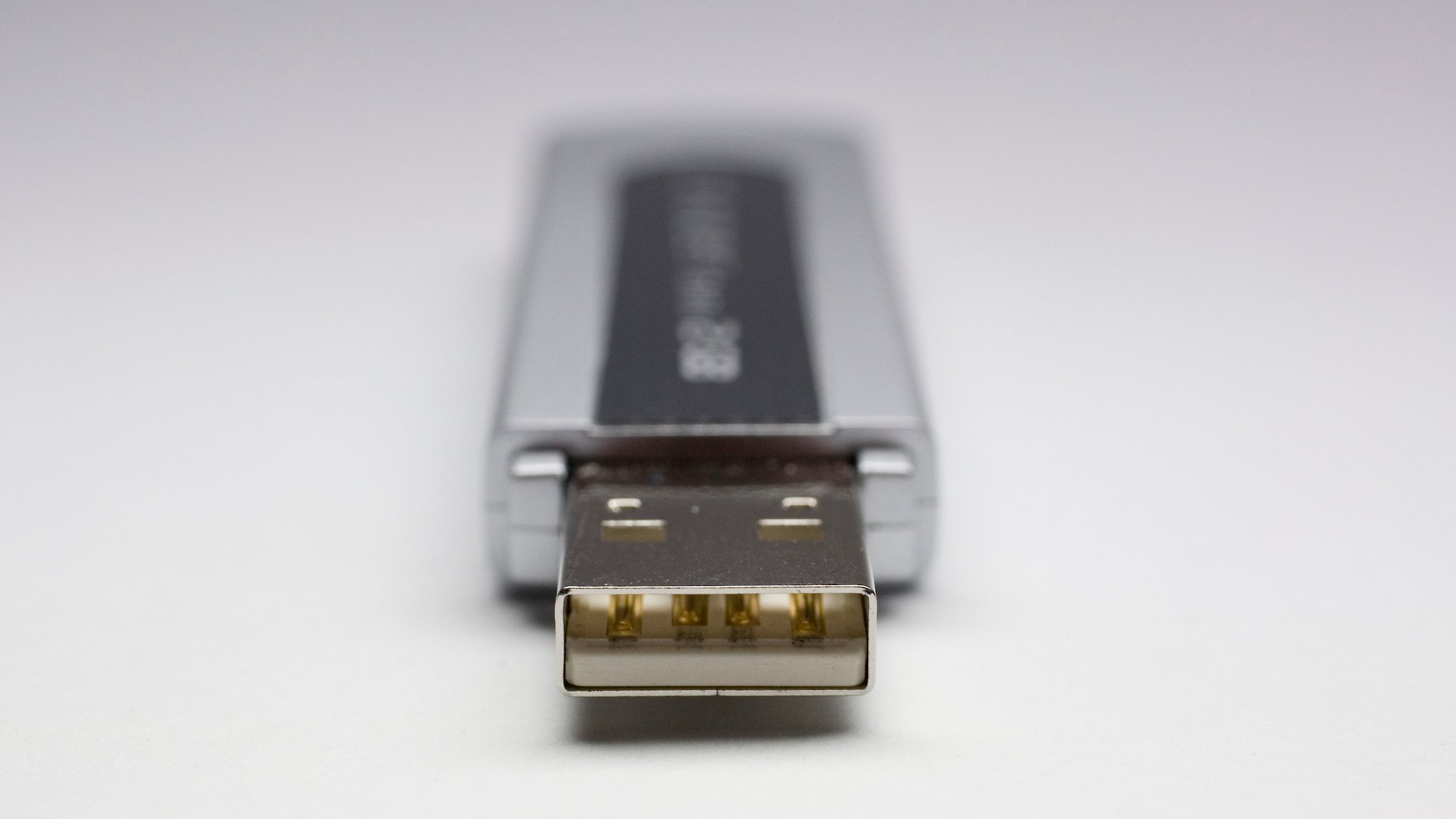
Back in 2020, during the height of the COVID-19 pandemic, Zachary Vance purchased ten Kingston Digital DataTraveler SE9 32 GB USB 2.0 drives from Amazon. Rather than using them immediately, he filled each drive to capacity with random data using direct block writes and stored them away.
The testing methodology follows a specific pattern: one additional drive is tested each year, with the test years following the sequence of +1, 2, 3, 4, 6, 8, 11, 15, 20, 27. As of 2026, this represents the fifth test in the series.
Vance's approach involves testing one additional drive for bit flips each year and fully rewriting any drives that pass the integrity check. So far, all tested drives have come through perfectly intact, showing zero bit rot despite being unpowered for extended periods.
Challenging Industry Assumptions
This result directly contradicts the common IT wisdom that treats USB flash drives as essentially disposable storage. The prevailing belief holds that NAND flash memory degrades relatively quickly when unpowered, with data becoming unreadable after as little as six months to a year, depending on who you ask.
"The results are quite promising," notes Vance, whose ongoing experiment represents one of the few long-term studies of consumer USB drive data retention. The complete absence of data corruption after six years of unpowered storage suggests that the actual longevity of flash memory may be substantially better than commonly assumed.
Methodology and Limitations
While the results are encouraging, several factors could influence the outcome. All ten drives in the test are from the same manufacturer, model, and presumably the same production lot. This lack of diversity means the results may not be representative of the broader USB drive market.
The drives are stored under "standard conditions" - kept in a box in Vance's closet, presumably with some form of temperature control. This controlled environment differs significantly from the varied conditions many USB drives experience in real-world use.
Conflicting Evidence from Other Tests
A contrasting test conducted by Redditor Carnildo provides some context for interpreting Vance's results. Carnildo's three-drive, one-year test used different brands and models - one PNY and two Lexar drives of different models, all purchased on "extreme discount" at Office Depot.
Carnildo's methodology was more varied: one drive was stored unpowered in an attic without climate control (experiencing sub-freezing temperatures during winter), another was stored unpowered in a standard-temperature room, and the third was periodically read while powered.
After one year, all three drives showed data corruption. Interestingly, the unpowered indoor drive exhibited the most failures, while the periodically accessed drive showed the least corruption. This suggests that drive activity and environmental conditions play significant roles in data retention.
Industry Standards and Real-World Implications
Flash memory manufacturers are expected to follow the JEDEC JESD47 standard, which requires flash chips to undergo sustained testing meant to simulate 10 years of operation at 55°C. However, this standard is not binding or enforceable outside of specific business contexts.
While vendor contracts, QVLs (Qualified Vendor Lists), and industry standards in sectors like automotive and aerospace may demand compliance, there are no such requirements for standard consumer USB sticks, particularly among off-brand offerings.
The discrepancy between industry testing standards and real-world performance highlights the complexity of predicting flash memory longevity. Vance's results suggest that under optimal conditions, consumer-grade flash memory may far exceed its rated specifications.
Practical Recommendations
Based on the available evidence, several practical guidelines emerge for users who need to store data on USB flash drives:
Choose quality drives: Stick to higher-spec drives from well-known vendors with established reputations for reliability
Control storage conditions: Keep drives at room temperature with controlled humidity when possible
Maintain backups: Despite promising results, always keep multiple copies of important data
Consider usage patterns: Periodic access may actually help maintain data integrity
Be brand-aware: Different manufacturers and models may show significantly different performance characteristics
The conflicting results between Vance's long-term test and Carnildo's shorter, more varied test underscore the importance of these considerations. Drive quality and storage conditions appear to be the most significant factors in determining data retention success.
The Future of Flash Memory Testing
The lack of large-scale, long-term tests specifically focused on consumer USB drive data retention represents a significant gap in our understanding of these devices. Vance's ongoing experiment fills this gap partially, but more comprehensive testing across different brands, models, and environmental conditions would provide valuable data for both consumers and manufacturers.
As flash memory continues to evolve and find its way into more applications, from consumer devices to enterprise storage solutions, understanding its true limitations and capabilities becomes increasingly important. The conventional wisdom about USB drive reliability may need updating based on emerging evidence like Vance's test results.
For now, users can take some comfort in knowing that high-quality USB flash drives, when properly stored, may retain data far longer than previously thought possible. However, the fundamental principle of maintaining multiple backups remains as important as ever, regardless of the storage medium's apparent reliability.
Comments
Please log in or register to join the discussion