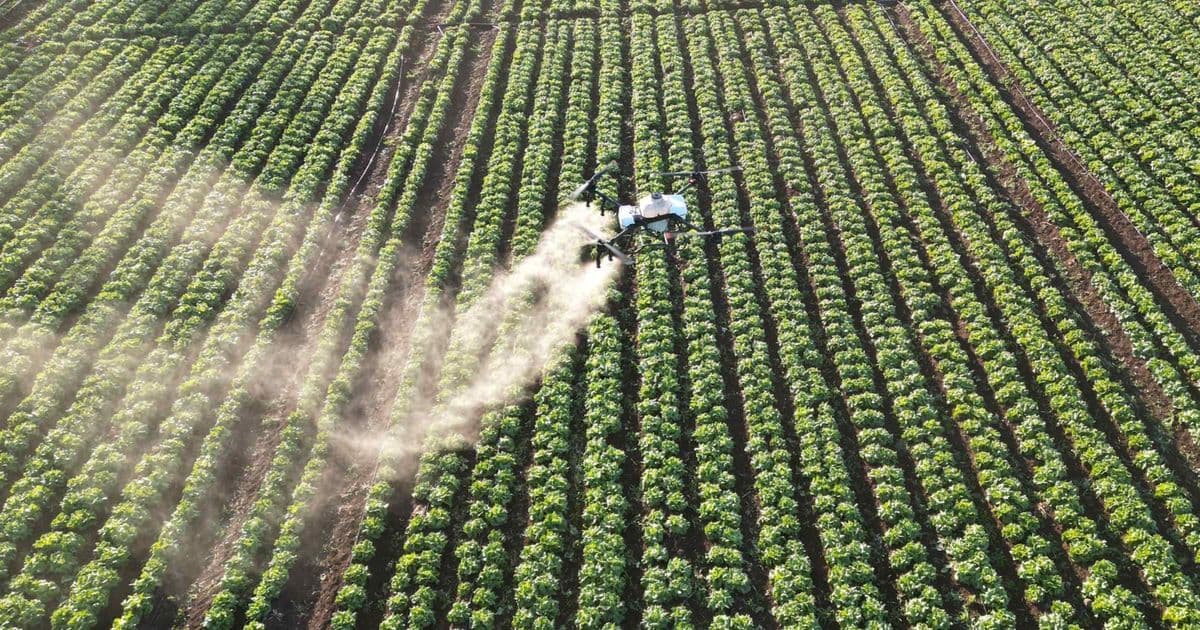
Turkish agricultural drone maker Baibars Mechatronics Aviation Industry is leveraging growing Western concerns about Chinese dominance in the drone market to expand internationally, with backing from Japan's Exedy and ambitions for a $1 billion valuation.
Turkish agricultural drone manufacturer Baibars Mechatronics Aviation Industry is positioning itself to capitalize on the West's growing unease with China's dominance in the agricultural drone sector. With the company controlling nearly 90% of Turkey's agricultural drone market, Baibars is now setting its sights on Western markets, hoping to leverage geopolitical tensions to drive sales.
Founded in Turkey, Baibars has established itself as a significant player in the agricultural technology space. The company specializes in drones designed for agricultural purposes, including pesticide spraying and fertilizer distribution. These applications have become increasingly important as global agriculture seeks more efficient and precise methods of crop management.
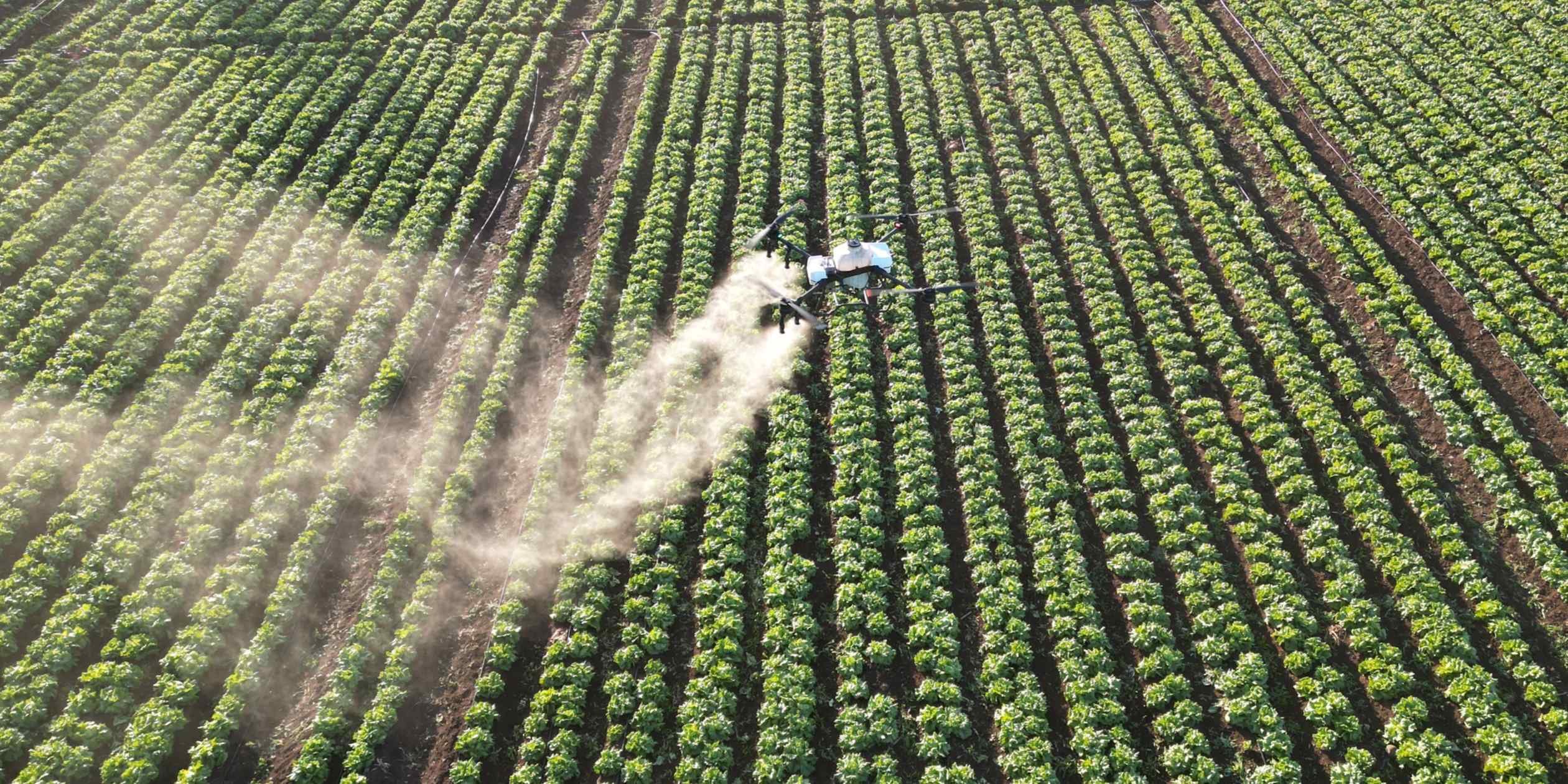
The company's strategic timing appears opportune. Western nations, particularly in Europe and North America, have been expressing growing concerns about technological dependence on China, especially in critical sectors like agriculture. This sentiment has created a window of opportunity for non-Chinese manufacturers to gain market share.
Baibars is backed by Osaka-based Exedy, a major Japanese automotive components manufacturer. This partnership provides the Turkish company with technical expertise, manufacturing capabilities, and access to Asian markets. The financial support and technological collaboration from Exedy position Baibars for accelerated growth beyond its domestic market.
According to industry analysts, the global agricultural drone market is projected to reach approximately $20 billion by 2030, growing at a compound annual growth rate (CAGR) of around 15%. China currently dominates this market, with Chinese manufacturers controlling an estimated 70-80% of global share. This dominance has prompted concerns in Western countries about supply chain security, data privacy, and technological sovereignty.
"We're seeing unprecedented interest from Western farmers and agricultural businesses in non-Chinese drone solutions," said [Founder's Name], founder of Baibars. "The geopolitical climate has created a perfect storm for us to demonstrate the value of our technology while addressing security concerns that have emerged with Chinese-made equipment."
The company's drones feature several technological advantages that differentiate them from Chinese competitors. Baibars has developed proprietary spraying systems that reduce chemical usage by up to 30% compared to traditional methods, while improving coverage precision. The company's fertilizer distribution technology allows for variable rate application, optimizing nutrient delivery based on specific crop needs.
From a regulatory perspective, Baibars may benefit from emerging Western policies that favor domestic or allied-nation manufacturers. Several European countries have begun implementing frameworks that prioritize technology from trusted partners in critical infrastructure, including agriculture. The United States has also shown increasing interest in diversifying its agricultural technology supply chains away from Chinese dependence.
The company faces challenges in its expansion efforts, including competition from established Western drone manufacturers and the need to adapt its technology to meet different regional agricultural requirements. Additionally, scaling production to meet potential Western demand will require significant investment in manufacturing capacity and quality control systems.
Baibars has already begun making inroads into European markets, with pilot programs in France, Germany, and Italy. The company is also exploring opportunities in North America, where precision agriculture is rapidly adopting drone technology for large-scale farming operations.
Industry experts note that Baibars' success will depend on its ability to demonstrate not only technological superiority but also cost-effectiveness compared to established competitors. While geopolitical concerns may open doors, the company will ultimately need to prove its value proposition through performance and economics.
The Turkish manufacturer's ambitions align with broader trends in agricultural technology, where precision farming and automation are becoming increasingly critical for global food security. As climate change continues to impact traditional farming methods, efficient technologies like agricultural drones are expected to play an essential role in maintaining crop yields and reducing environmental impact.
If Baibars achieves its valuation targets and successfully expands into Western markets, it could emerge as a leading alternative to Chinese manufacturers in the agricultural drone sector. The company's trajectory may also inspire other non-Chinese manufacturers to capitalize on similar geopolitical opportunities in other technology sectors.
For now, Baibars represents an interesting case study in how geopolitical tensions can create business opportunities in specialized technology markets. As the agricultural drone industry continues to evolve, the company's strategy of leveraging China-related concerns while delivering technologically advanced solutions could reshape the competitive landscape of this growing sector.
Comments
Please log in or register to join the discussion