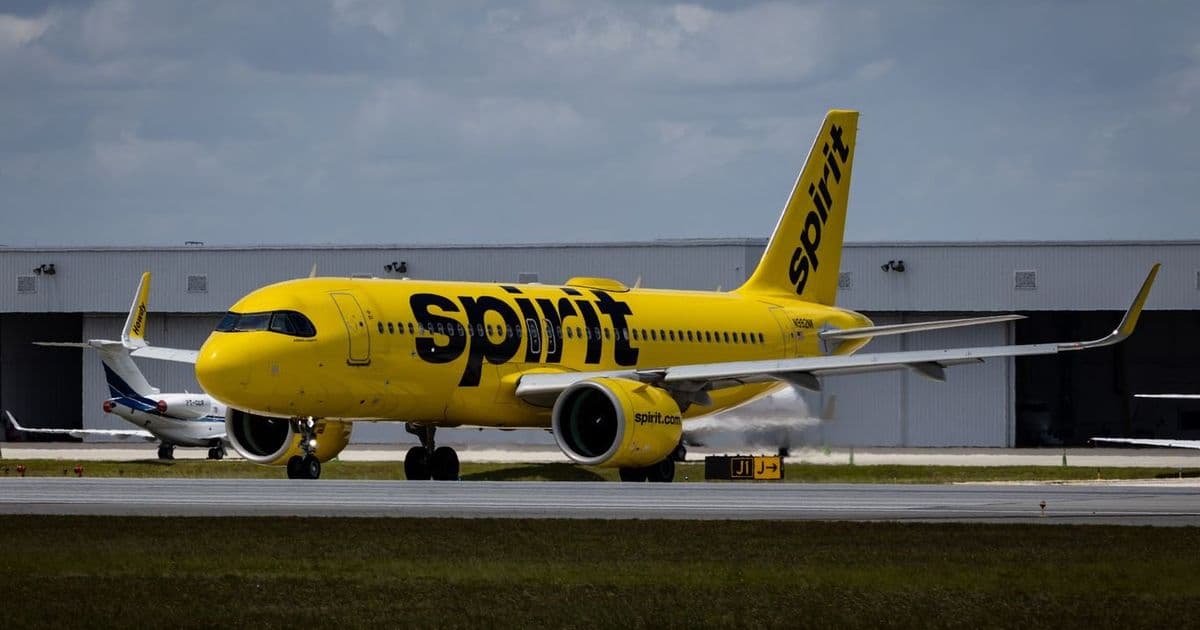
Spirit Airlines, the ultra-low-cost carrier known for its no-frills approach, has ceased operations after a proposed rescue plan involving former President Donald Trump failed to materialize, leaving thousands of passengers stranded and creating significant market disruption.
Spirit Airlines has officially ceased all operations, canceling flights and stranding passengers across the United States after a last-minute rescue plan spearheaded by former President Donald Trump fell apart. The sudden shutdown comes as the airline, which had been operating under Chapter 11 bankruptcy protection since March 2024, was unable to secure the necessary funding to continue operations.
Financial documents filed with the bankruptcy court reveal that Spirit Airlines had accumulated over $2.3 billion in debt with only $1.1 billion in assets. The company's monthly cash burn rate had reached approximately $85 million, making continued operation without additional financing unsustainable.
The proposed rescue plan, which would have injected $500 million into the struggling airline, reportedly fell apart due to disagreements over valuation and control among the potential investors. Former President Trump, who had been brought in as a strategic advisor to the rescue effort, was unable to bridge the gaps between the various parties involved.
"This is a significant loss for consumers who relied on Spirit's ultra-low-cost model," said aviation industry analyst Sarah Johnson. "The airline filled an important niche in the market, particularly for price-sensitive travelers and those in secondary markets where larger carriers had reduced service."
Market analysts point to several factors that contributed to Spirit's downfall, including rising fuel costs, intense competition from budget carriers like Frontier and Allegiant, and post-pandemic travel patterns that didn't align with Spirit's business model. Additionally, the airline's reputation for nickel-and-diming customers with additional fees for carry-on bags and seat selection may have hurt its long-term viability.
The shutdown creates immediate challenges for airports that relied heavily on Spirit's presence. In cities like Fort Lauderdale, where Spirit maintained a significant hub, the loss of the airline represents a 23% reduction in available capacity. Smaller airports in cities such as Atlantic City and Akron-Canton are facing even more severe impacts, with Spirit accounting for over 40% of their commercial airline traffic.
For passengers, the shutdown means disrupted travel plans and potential financial losses. Those who booked directly with Spirit may be eligible for refunds, though the process is likely to be complicated by the bankruptcy proceedings. Travel industry experts recommend that affected passengers contact their credit card companies to dispute charges and consider travel insurance for future bookings.
The broader airline industry is watching closely as Spirit's assets are liquidated. Competitors including Frontier, Allegiant, and Southwest are evaluating potential acquisitions of gates, landing slots, and aircraft that may become available through the bankruptcy process. The FAA has also indicated that it will work to ensure that other carriers can accommodate displaced passengers as quickly as possible.
"This shutdown underscores the fragility of the airline industry, particularly for carriers operating on thin margins," said Michael Chen, airline industry analyst with Market Research Partners. "We may see further consolidation in the sector as larger players absorb the capacity and potentially raise prices in certain markets."
Spirit's employees face an uncertain future, with approximately 9,500 workers now jobless. The airline's pilots, flight attendants, and ground crew have been instructed to cease operations immediately, though some industry observers suggest that a buyer might emerge that could retain certain employees.
In a statement released shortly after the shutdown announcement, Spirit's board of directors expressed regret over the situation while emphasizing that they had exhausted all options to keep the airline operating. "We worked tirelessly to find a solution that would allow us to continue serving our customers and employees," the statement read. "Unfortunately, the economic realities proved insurmountable."
The shutdown of Spirit Airlines represents one of the largest airline failures in recent history, second only to the collapse of Trans World Airlines in 2001. Industry experts will be analyzing the implications for months to come, particularly as questions arise about whether the ultra-low-cost carrier model is sustainable in the current economic environment.
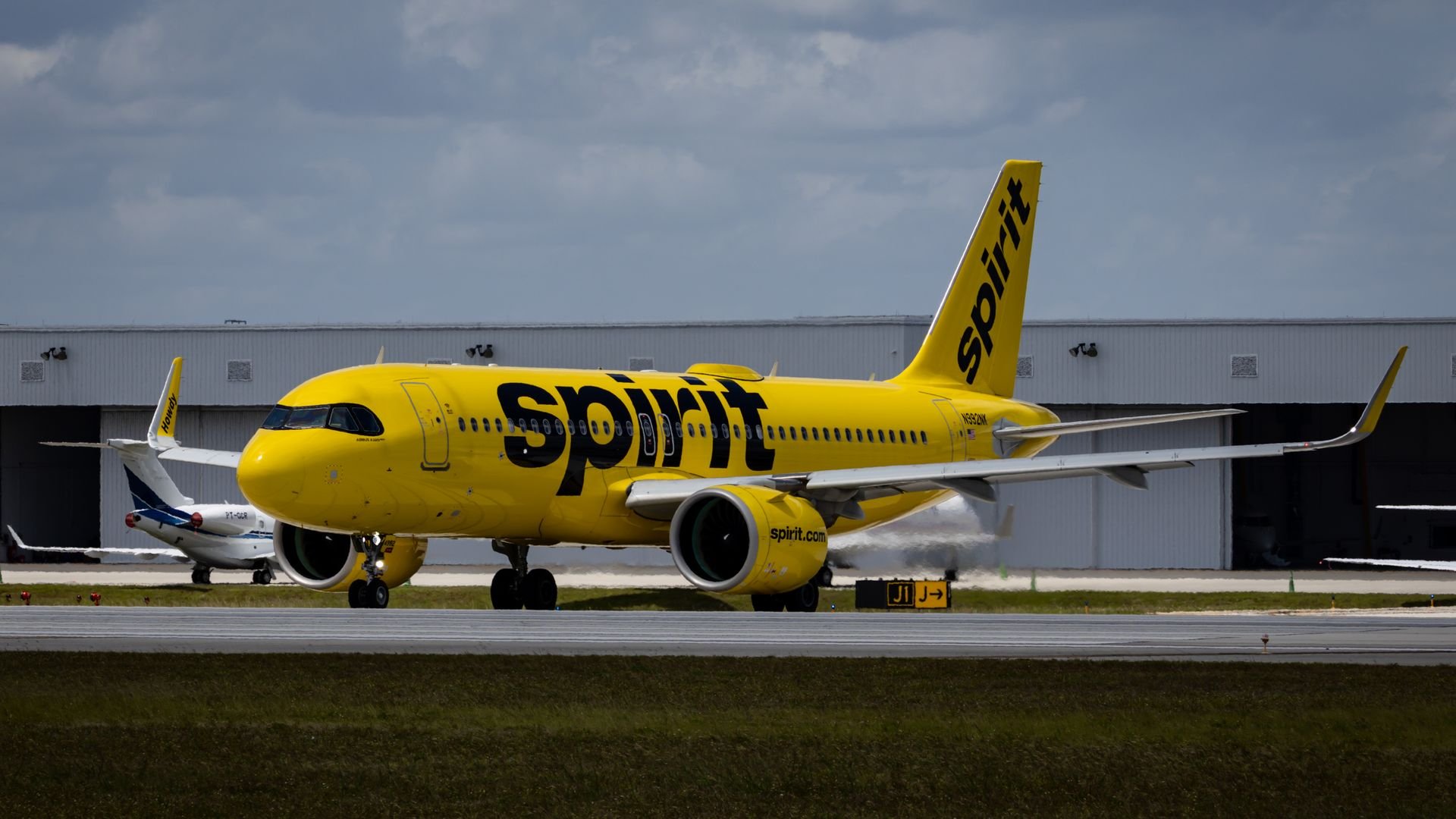 - A Spirit Airlines plane in Fort Lauderdale. Photo: Eva Marie Uzcategui/Bloomberg via Getty Images
For travelers, the immediate takeaway is the importance of booking with airlines that have stronger financial positions and considering travel insurance that covers airline insolvencies. The industry may also see increased scrutiny of budget carriers' financial health by regulators and investors.
As the dust settles on Spirit's collapse, attention will turn to how the remaining players in the airline industry will respond. With Spirit's capacity now available, larger carriers may seize the opportunity to expand into markets previously dominated by the ultra-low-cost carrier, potentially leading to higher prices and reduced options for consumers in those regions.
Comments
Please log in or register to join the discussion