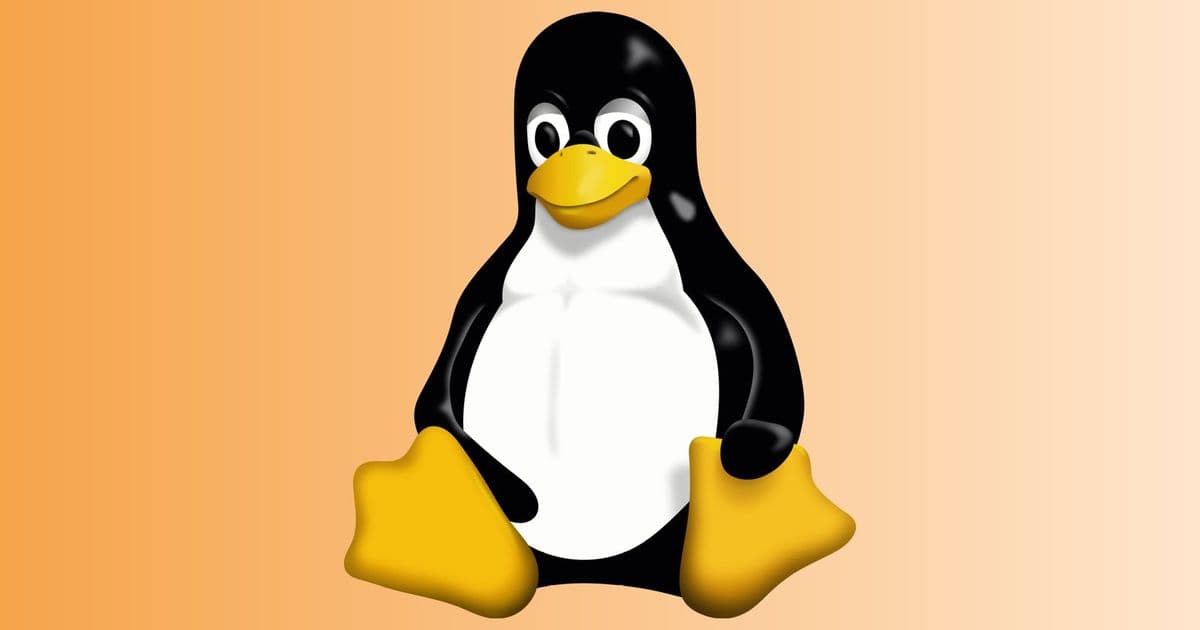
As Linux's iconic mascot celebrates three decades, we explore the origin story behind Tux, his cultural significance to the open-source movement, and how his simple design has remained unchanged while Linux itself evolved.
Thirty years ago today, on May 9, 1996, Linux gained its most recognizable symbol: Tux the Penguin. Created by Larry Ewing using the GNU Image Manipulation Program (GIMP), this chubby, contented penguin has become synonymous with the open-source operating system, appearing on countless Linux distributions, merchandise, and promotional materials.
The origin of Tux is as fascinating as his longevity. Linus Torvalds, creator of the Linux kernel, initially sought a mascot that could represent both the cuddly nature of the community and the power of the operating system. In a 1996 email, Torvalds described his vision of a penguin that was 'cuddly' and 'contented, as if it had just eaten a ton of fish and was settling down to rest.' This whimsical request would lead to one of the most recognizable symbols in software history.
The inspiration for a penguin mascot came from an unexpected source. According to Torvalds' wife, Tove, her husband was bitten by a fairy penguin at Canberra Zoo in 1993. This peculiar encounter left such an impression that when it came time to choose a mascot for Linux, the penguin naturally emerged as the frontrunner.
Larry Ewing, then a student at Texas A&M University, submitted the winning design created entirely in GIMP. His creation featured a simple yet expressive penguin with a distinctive white 'belly' that resembled a tuxedo—hence the name 'Tux,' which was later suggested by James Hughes in June 1996 as an abbreviation of '(T)orvolds (U)ni(X).' The dual meaning of the name, combined with the penguin's formal coloring, made it an instant fit for Linux's mascot.
What makes Tux particularly remarkable is his longevity. Unlike many software elements that undergo constant revision, Tux's design has remained virtually unchanged for 30 years. This consistency has given Linux a recognizable face that transcends individual distributions and versions. From Ubuntu to Fedora, Arch to Debian, Tux appears in installation processes, documentation, and promotional materials, serving as a unifying symbol for the diverse Linux ecosystem.
The technical aspects of Tux's creation are noteworthy in themselves. Ewing crafted the original penguin entirely in GIMP, demonstrating that powerful graphics could be created with open-source tools. The simplicity of the design—primarily composed of basic shapes and gradients—contributed to its versatility. Tux could be rendered at any size without losing clarity, making him perfect for everything from high-resolution promotional materials to small application icons.
Tux's impact extends beyond mere branding. He has become a cultural touchstone within the developer community. Linux enthusiasts wear Tux-themed apparel, use Tux-themed accessories, and even tattoo the penguin on their bodies. The mascot has appeared in countless Linux-themed memes, cartoons, and artistic interpretations, further cementing his place in tech culture.
For developers working with Linux, Tux represents more than just a logo—he symbolizes the open-source philosophy of accessibility, collaboration, and community. The fact that his design has remained unchanged while Linux itself has evolved through major architectural changes reflects a core principle of the open-source movement: stability and consistency for users while allowing underlying innovation.
The Linux kernel, which Tux represents, has grown exponentially since 1996. What began as a hobby project by Torvalds has become the backbone of countless devices worldwide, from servers and desktop computers to Android smartphones and embedded systems. Through all this growth, Tux has remained a constant, a friendly face greeting new users and reminding seasoned developers of the project's humble origins.
Linux distributions have embraced Tux in various ways. Some incorporate him into their installation processes, others use him as a system theme element, and some even include Easter eggs referencing the mascot. The Ubuntu operating system, for example, features a purple-themed Tux as part of its default artwork, while the more minimalist Arch Linux uses a simpler, line-art version of Tux.
Tux has also become an ambassador for Linux in the broader tech world. The penguin frequently appears in comparisons between operating systems, often positioned as the friendly alternative to more corporate mascots like Microsoft's Clippy or Apple's multi-colored apple. This positioning has helped Linux cultivate an identity approachable to newcomers while maintaining its reputation as a powerful, developer-focused system.
The endurance of Tux's design offers lessons in branding and design for the software industry. In an era of frequent redesigns and brand refreshes, Tux demonstrates the power of a simple, distinctive, and meaningful design. His recognizable silhouette requires no explanation, yet tells a story about the open-source community he represents.
For mobile developers working across platforms, Tux represents the open-source alternative to proprietary ecosystems. While iOS and Android dominate mobile, Linux-based operating systems like postmarketOS or Ubuntu Touch offer alternatives for those seeking more control over their devices. Tux serves as a reminder of these possibilities, a symbol of software freedom that extends beyond desktop computing.
As Linux continues to evolve with new kernel versions, container technologies, and cloud-native developments, Tux remains a constant presence. The 2024 Linux 6.10 kernel, like its predecessors, still features Tux in its documentation and promotional materials. This consistency provides a sense of continuity for users and developers navigating the rapidly changing landscape of open-source software.
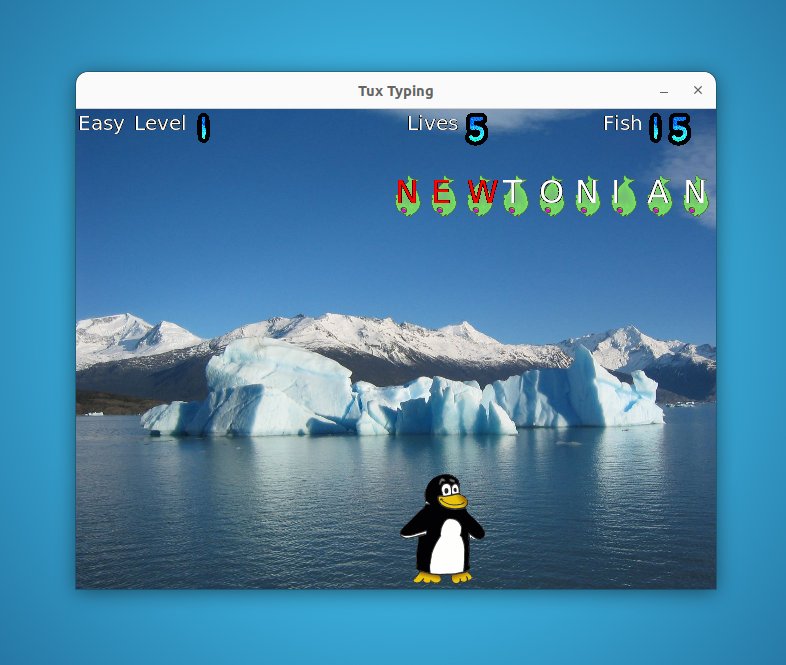
The story of Tux is also a story about open-source collaboration. Ewing released his original design under the GPL license, allowing anyone to use and modify it. This permissive approach has enabled Tux to appear in countless contexts, from Linux-themed games to educational materials, further extending his reach and recognition.
For developers maintaining applications on both Linux and other platforms, Tux serves as a symbol of the unique advantages of open-source development. The transparency, community-driven improvement, and accessibility that Tux represents have influenced software development practices across the industry, benefiting even proprietary platforms through the adoption of open-source principles.
As Tux celebrates his 30th birthday, he stands as a testament to the power of simple, meaningful design and the enduring appeal of open-source software. From a humble penguin sketch created in GIMP to a global symbol of software freedom, Tux's journey mirrors the growth of Linux itself—unchanging in essence while evolving in capability and reach.
For more information about Linux's history and development, you can explore the Linux Kernel Archives or browse through the official Linux documentation. The story of Tux continues, much like Linux itself, with no signs of slowing down after three remarkable decades.
Comments
Please log in or register to join the discussion