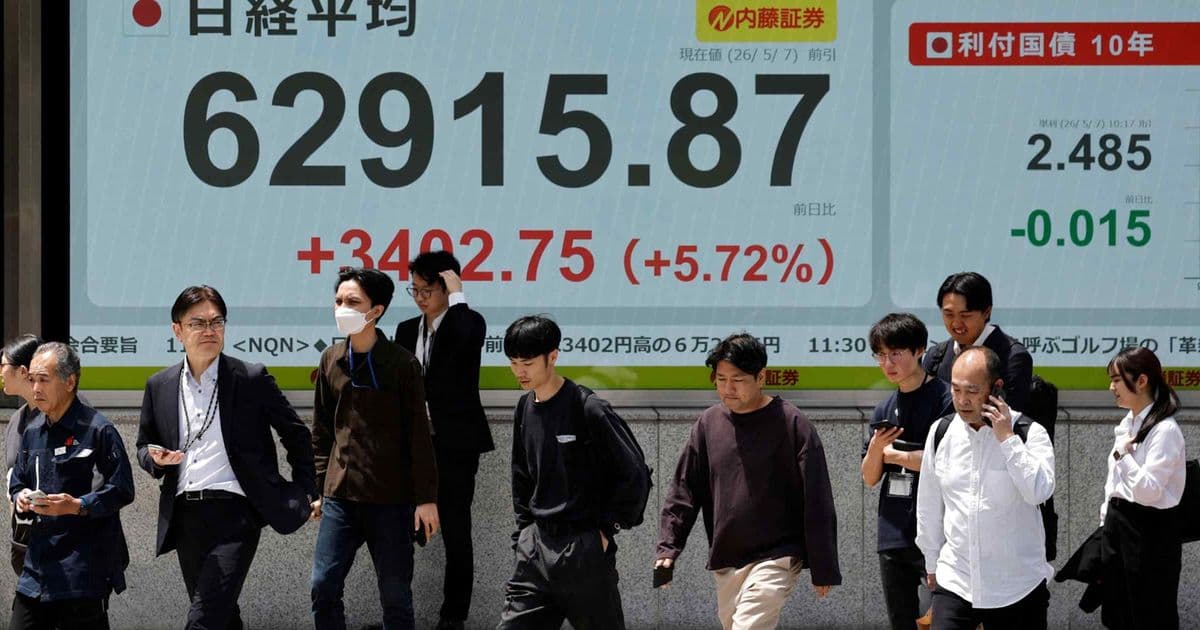
U.S. investors are urging Japanese firms to improve capital efficiency, expand equity‑based compensation, and provide more English disclosures, arguing that these steps could narrow the valuation gap with global peers as the Nikkei reaches record highs.
U.S. investors call for three reforms to unlock Japanese equity value
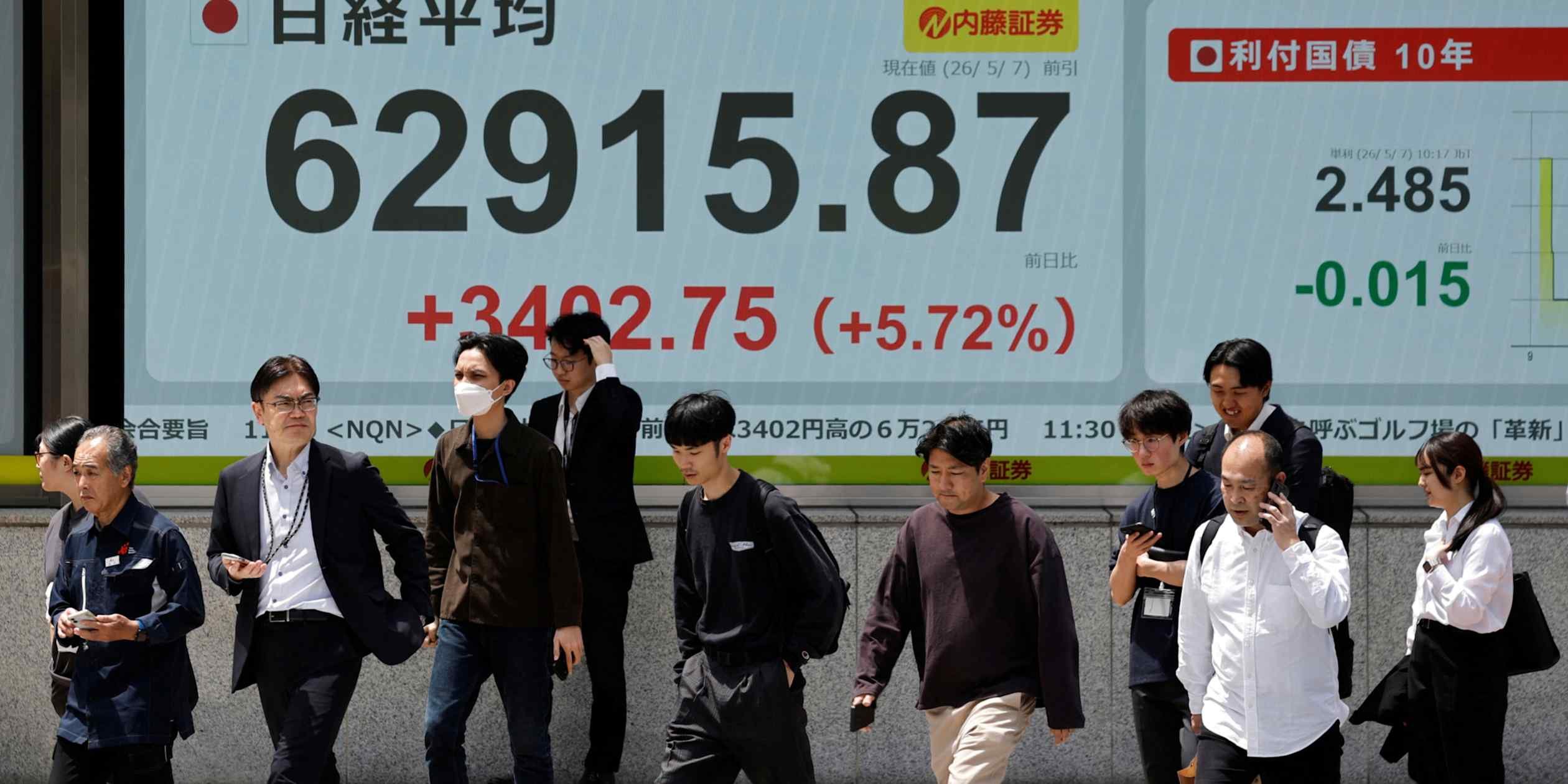
The Nikkei 225 has climbed into record territory, yet many U.S. fund managers see a persistent discount on Japanese stocks relative to comparable U.S. and European peers. In a series of interviews compiled by Nikkei Asia, analysts identified three concrete actions that could close the gap: tighter capital efficiency, broader use of equity‑based incentives, and more comprehensive English‑language reporting.
1. Capital efficiency – turning cash into earnings
Japanese conglomerates still hold large cash balances, averaging ¥20 trillion across the top 30 listed firms. By contrast, the S&P 500’s cash‑to‑enterprise‑value ratio sits at roughly 8 %, well below Japan’s 12 % average. Analysts argue that redeploying idle cash into share buybacks, dividend hikes, or strategic M&A would raise return on equity (ROE) and improve earnings per share (EPS) growth.
- Buyback momentum: In the first quarter of 2026, Japanese companies announced ¥1.3 trillion in share repurchases, a 27 % increase YoY. Continued acceleration could push forward‑looking ROE toward the 10‑12 % range that U.S. investors target.
- Dividend policy: The average dividend yield on the Nikkei sits at 2.1 %, compared with 3.4 % for the Euro Stoxx 50. Raising payouts would not only attract income‑focused funds but also signal confidence in cash‑flow sustainability.
2. Equity‑based compensation – aligning management with shareholders
Only 12 % of Japanese listed firms use stock options or restricted stock units (RSUs) as a component of executive pay, versus roughly 45 % in the United States. This disparity is seen as a structural misalignment between management incentives and shareholder returns.
- Performance‑linked grants: Introducing performance‑vested RSUs tied to EPS growth or total shareholder return (TSR) could motivate executives to pursue higher‑margin projects and cost‑discipline.
- Investor pressure: Large U.S. asset managers, including BlackRock and Vanguard, have flagged equity‑based pay as a governance metric in proxy voting, suggesting that firms adopting such schemes may see better proxy outcomes and lower voting risk.
3. English‑language disclosures – lowering the information barrier
While Japan’s corporate governance reforms have improved transparency, most regulatory filings remain in Japanese. U.S. investors cite the language gap as a friction point that discourages deeper research coverage.
- Regulatory shift: The Financial Services Agency (FSA) announced plans to accept English‑language quarterly reports for companies listed on the Prime Market starting FY2027. Early adopters could benefit from broader analyst coverage and higher institutional inflows.
- Market impact: A 2024 study by MSCI showed that Japanese firms providing English summaries of earnings calls experienced a 3.5 % premium in market capitalization over peers that did not.
What this means for the market
If Japanese firms act on these three levers, the valuation discount could narrow substantially. Assuming a modest 1 % annual increase in ROE from capital reallocation, a 20 % uplift in dividend yields, and a 0.5 % premium from improved disclosures, the Nikkei’s price‑to‑earnings (P/E) multiple could rise from its current 15.8× to around 18× within two years. That would translate to an additional ¥5 trillion in market cap for the index’s top 50 constituents.
For U.S. investors, the upside is two‑fold: higher total returns from price appreciation and increased dividend income, plus a more familiar governance framework that reduces perceived risk. For Japanese companies, the reforms could unlock cheaper capital, attract a broader base of global institutional money, and ultimately support sustainable growth in an environment where domestic demand is plateauing.
Data sources: Nikkei Asia, Bloomberg, MSCI research, Financial Services Agency announcements.
Comments
Please log in or register to join the discussion