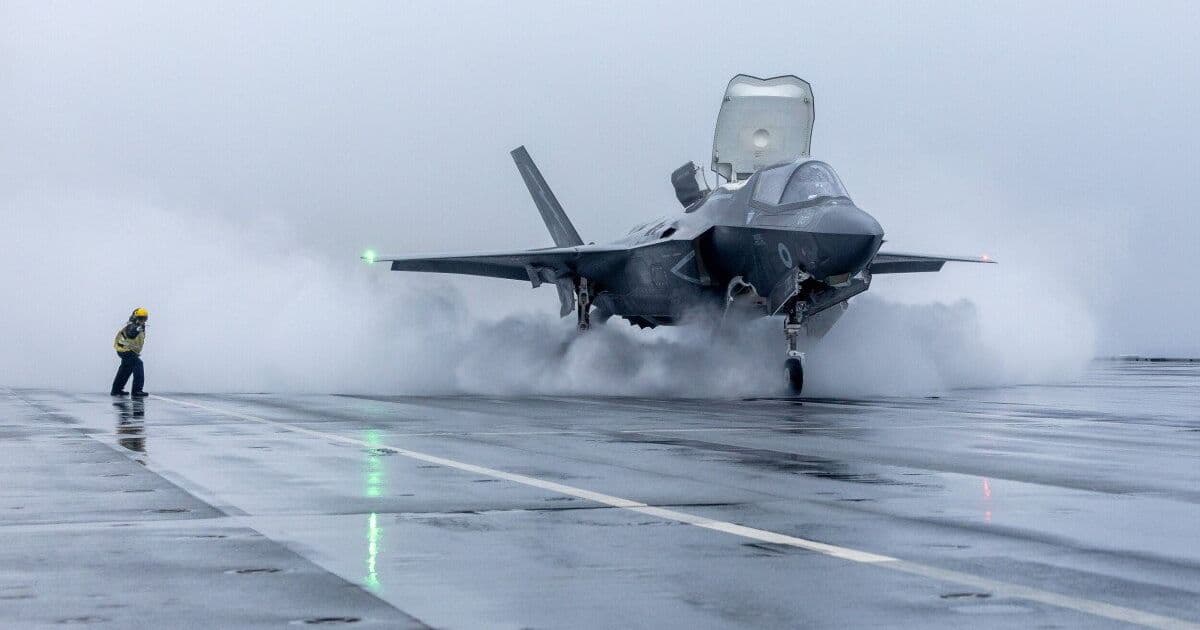
Delays in the Block 4 software update push the UK’s F‑35 stand‑off capability back to 2031, forcing the Ministry of Defence to procure the US‑made GBU‑53/B StormBreaker as an interim solution. A performance comparison shows StormBreaker can fill the gap, but the trade‑offs in range, payload and integration effort are significant.
UK F‑35s to Carry US StormBreaker Glide Bombs Until SPEAR 3 Integration Arrives
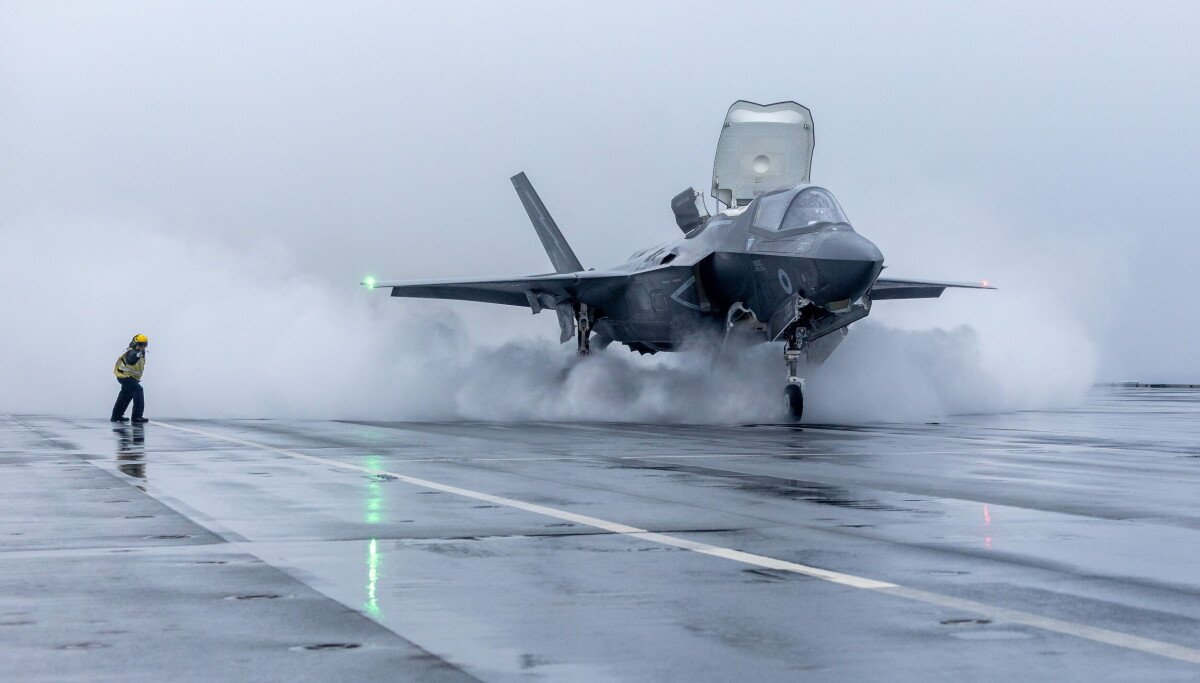
The Ministry of Defence (MoD) has confirmed that the Royal Navy’s carrier‑based F‑35Bs will be equipped with the US Small Diameter Bomb II (SDB II), known in American service as the GBU‑53/B StormBreaker, while the Block 4 software update that enables the home‑grown SPEAR 3 mini‑cruise missile slips to 2031. The decision follows a scathing Public Accounts Committee (PAC) report that highlighted a lack of stand‑off weapons for the Lightning Force.
Why the delay matters
- Block 4 software – The update that adds SPEAR 3 support is a massive codebase change that touches the aircraft’s mission system, sensor fusion and weapons interface. Lockheed Martin has missed several internal milestones, pushing the fielding date five years beyond the original 2026 target.
- Operational gap – Without a long‑range precision weapon, the F‑35B can only engage targets within visual range, exposing the aircraft to integrated air‑defence systems during strike missions.
- Logistics pressure – The PAC noted that spare‑part packs for the carrier‑based fleet were already stretched thin during Operation HIGHMAST. Adding a new munition type adds another logistics node that must be stocked and maintained.
StormBreaker vs. SPEAR 3 – a quick performance snapshot
| Metric | StormBreaker (GBU‑53/B) | SPEAR 3 |
|---|---|---|
| Weight | 93 kg (≈200 lb) | 140 kg (≈310 lb) |
| Maximum glide range | 111 km (≈60 nm) – wing‑fold design | 150 km (≈81 nm) – powered cruise motor |
| Seeker | Tri‑mode (RF, IR, laser) | Dual‑mode (RF, IR) |
| Warhead | 45 kg blast‑fragmentation | 30 kg multi‑effect (penetrator/fragmentation) |
| Integration effort | Off‑the‑shelf F‑35 Block 4 interface, software load‑in‑flight | Requires new mission‑system code, flight‑control tuning, and UK‑specific data‑link |
| Cost per unit (US FY23) | US$ 75 k | US$ 120 k |
| Power draw from aircraft | < 200 W (passive) | ~ 350 W (active motor) |
Key take‑aways
- StormBreaker offers a respectable 111 km glide envelope with a flexible seeker suite, making it a viable stop‑gap.
- SPEAR 3’s powered cruise motor extends range by roughly 35 % and carries a more sophisticated warhead, but it also demands a deeper software integration.
- The lower unit cost and passive glide profile of StormBreaker reduce the electrical load on the F‑35’s power budget, an important factor for carrier‑based operations where power margins are tight.
Power‑budget impact on the F‑35B
The F‑35’s Integrated Power Package (IPP) supplies about 40 kW to the aircraft’s avionics and mission system. Adding a powered cruise missile such as SPEAR 3 consumes an additional 0.35 kW per weapon during the boost phase, while StormBreaker’s seeker draws only about 0.2 kW. In a typical loadout of two missiles, the difference is roughly 300 W – a small but measurable margin that can affect hot‑day carrier launch performance.
Compatibility checklist for the interim StormBreaker purchase
- Software load – The Block 4 baseline already includes the StormBreaker data‑link; the MoD only needs to certify the UK‑specific targeting interface.
- Physical fit – The SDB II is compatible with the F‑35B’s internal 2‑slot weapon bay and the external pylons used on carrier decks.
- Spare‑parts pipeline – StormBreaker logistics are already established through the US FMS channel, meaning the MoD can piggy‑back on existing supply contracts.
- Training – Pilots require a brief refresher on the tri‑mode seeker; the UK’s existing training syllabus for the GBU‑12 Paveway can be adapted.
- Safety certification – The UK must obtain a NATO STANAG 4671 release for the munition; this process is expected to take 6‑9 months.
Build recommendation for a UK carrier strike group (2027‑2030)
| Component | Quantity | Rationale |
|---|---|---|
| F‑35B airframes | 24 (full carrier complement) | Maintains the 24‑jet surge capability demonstrated in HIGHMAST. |
| StormBreaker munitions | 48 (2 per aircraft) | Provides a stand‑off envelope for all strike sorties while SPEAR 3 integration is pending. |
| Deployable Spares Pack (DSP) | 1 additional set | Supplements the Afloat Spares Pack, covering both carrier and shore‑based maintenance cycles. |
| Afloat Spares Pack (ASP) upgrade | Double existing inventory | Addresses the shortfall highlighted during HIGHMAST. |
| Engineering posts | 168 (target) | Aligns with MoD’s recruitment plan; ensures enough qualified staff for both aircraft and munition sustainment. |
| UK‑specific signature assessment facility | 1 (phase‑1 operational by 2029) | Validates that StormBreaker carriage does not degrade the F‑35’s low‑observable profile. |
What the timeline looks like
| Year | Milestone |
|---|---|
| 2026 Q3 | StormBreaker FMS contract signed; initial batch of 12 weapons delivered. |
| 2027 Q1 | Full integration of StormBreaker software on all UK F‑35Bs; pilot certification complete. |
| 2028 | Deployable Spares Pack fielded; ASP inventory doubled. |
| 2029 | UK Aircraft Signature Assessment Facility reaches operational readiness. |
| 2030 | Final StormBreaker batch (total 48) delivered; readiness for SPEAR 3 integration testing. |
| 2031 | Block 4 update arrives, enabling SPEAR 3 launch from the internal bay. |
Bottom line
The StormBreaker provides the UK’s Lightning Force with a credible stand‑off capability while the Block 4 software that unlocks SPEAR 3 remains delayed. Its lower power draw, proven integration path and existing logistics chain make it the pragmatic interim choice, even though it sacrifices the extended range and warhead flexibility of SPEAR 3. By aligning spare‑part packs, expanding engineering staff and commissioning a signature‑assessment facility, the MoD can mitigate the operational risks that the PAC flagged and keep the carrier strike group effective until the 2031 SPEAR 3 rollout.
Comments
Please log in or register to join the discussion