
The UK government has reversed its September 2025 policy requiring digital IDs for employment verification following significant public opposition.
The UK government has formally abandoned plans to mandate digital IDs for employment verification, reversing a controversial policy announced in September 2025 that would have required all workers to register with a central digital identity system to prove their right to work in the country. This abrupt policy shift follows months of sustained criticism from civil liberties groups, privacy advocates, and political opponents who argued the scheme constituted excessive government overreach.
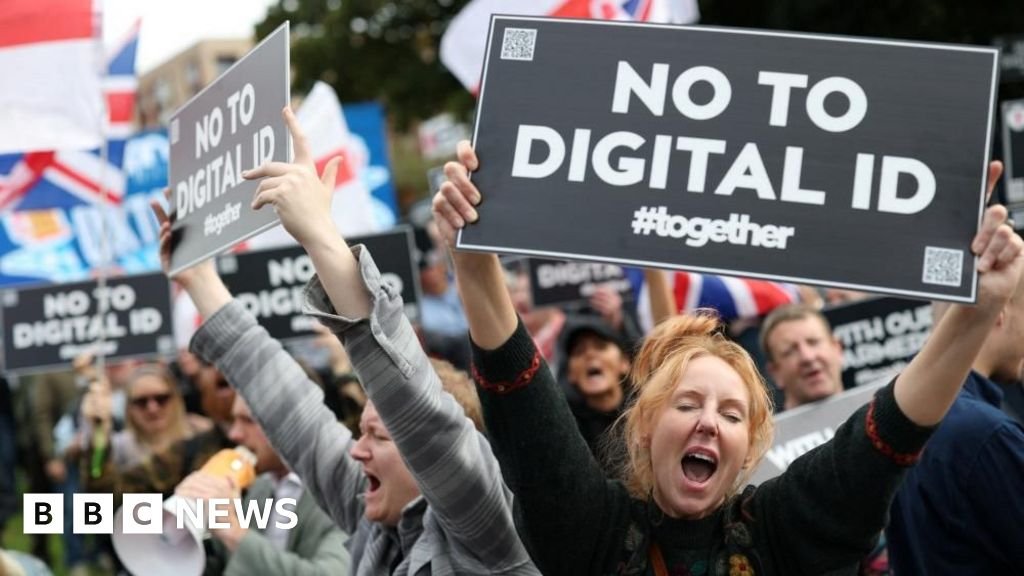
Originally positioned as a modernization effort to replace physical document checks, the digital ID system would have consolidated biometric and personal data into a government-controlled platform. Internal documents suggested integration with tax records and immigration databases, raising concerns about function creep beyond employment verification. Opposition leaders like Nigel Farage characterized the proposal as "a national ID card by stealth," while privacy organizations highlighted vulnerabilities to data breaches and mission creep.
The reversal reflects practical limitations uncovered during policy implementation. Pilot programs reportedly faced technical challenges with biometric verification systems, particularly among elderly and rural populations lacking consistent internet access. Treasury cost projections also ballooned from initial estimates, with one Whitehall analysis suggesting implementation could exceed £400 million without guaranteed security benefits. Crucially, the government acknowledged widespread public resistance, with consultation responses showing 79% opposition to mandatory adoption.
While the mandatory employment verification requirement is scrapped, existing voluntary digital ID options remain available through the GOV.UK Verify platform. Experts note this episode demonstrates heightened public sensitivity to digital identity systems in Western democracies, contrasting with more centralized approaches in nations like Estonia. Similar initiatives in France and Germany have recently been scaled back following public consultations, suggesting a broader pattern of pushback against mandatory digital identity frameworks.
Future identity verification in the UK will continue through traditional document checks alongside voluntary digital options. The Home Office confirmed existing right-to-work procedures will remain unchanged, though it continues developing optional digital verification tools for employers. This outcome underscores how privacy concerns and implementation practicality can override centralized digital ambitions even in technologically advanced nations.
Comments
Please log in or register to join the discussion