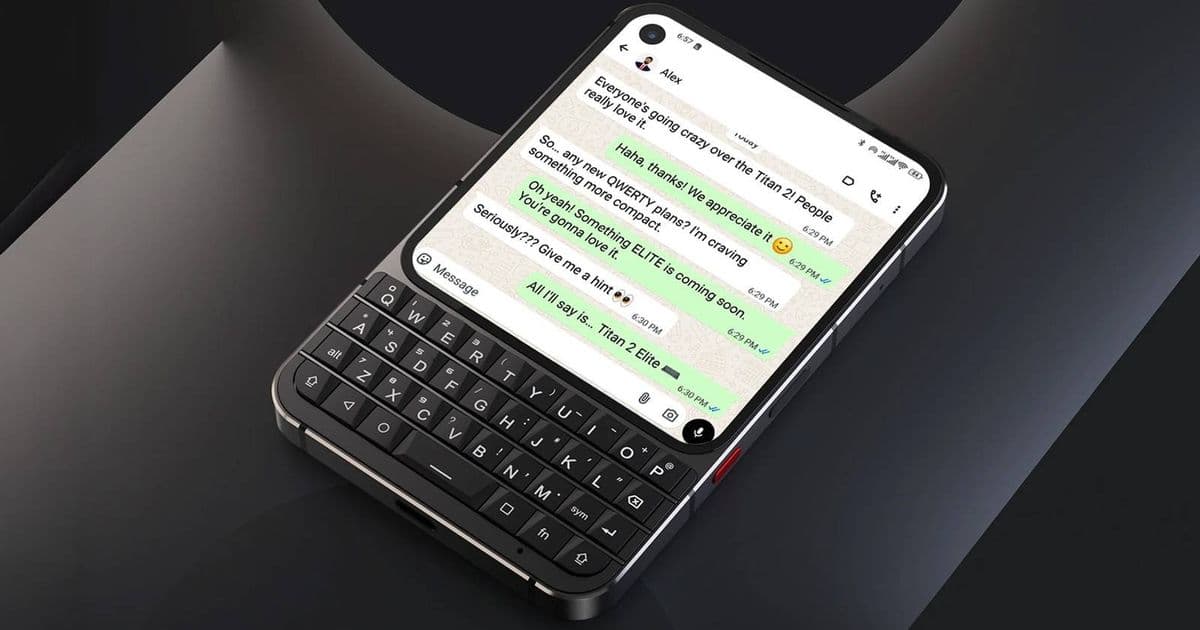
Unihertz's latest device, the Titan 2 Elite, brings back the physical QWERTY keyboard form factor popularized by BlackBerry, but with modern Android internals and a focus on specific user workflows rather than mass-market appeal.
The physical keyboard smartphone market, long considered a relic of the pre-touchscreen era, has found a persistent, if niche, champion in Unihertz. The company's latest device, the Titan 2 Elite, continues its mission of reviving the tactile typing experience for a specific subset of users who find virtual keyboards inadequate for their needs.
The Form Factor and Design Philosophy
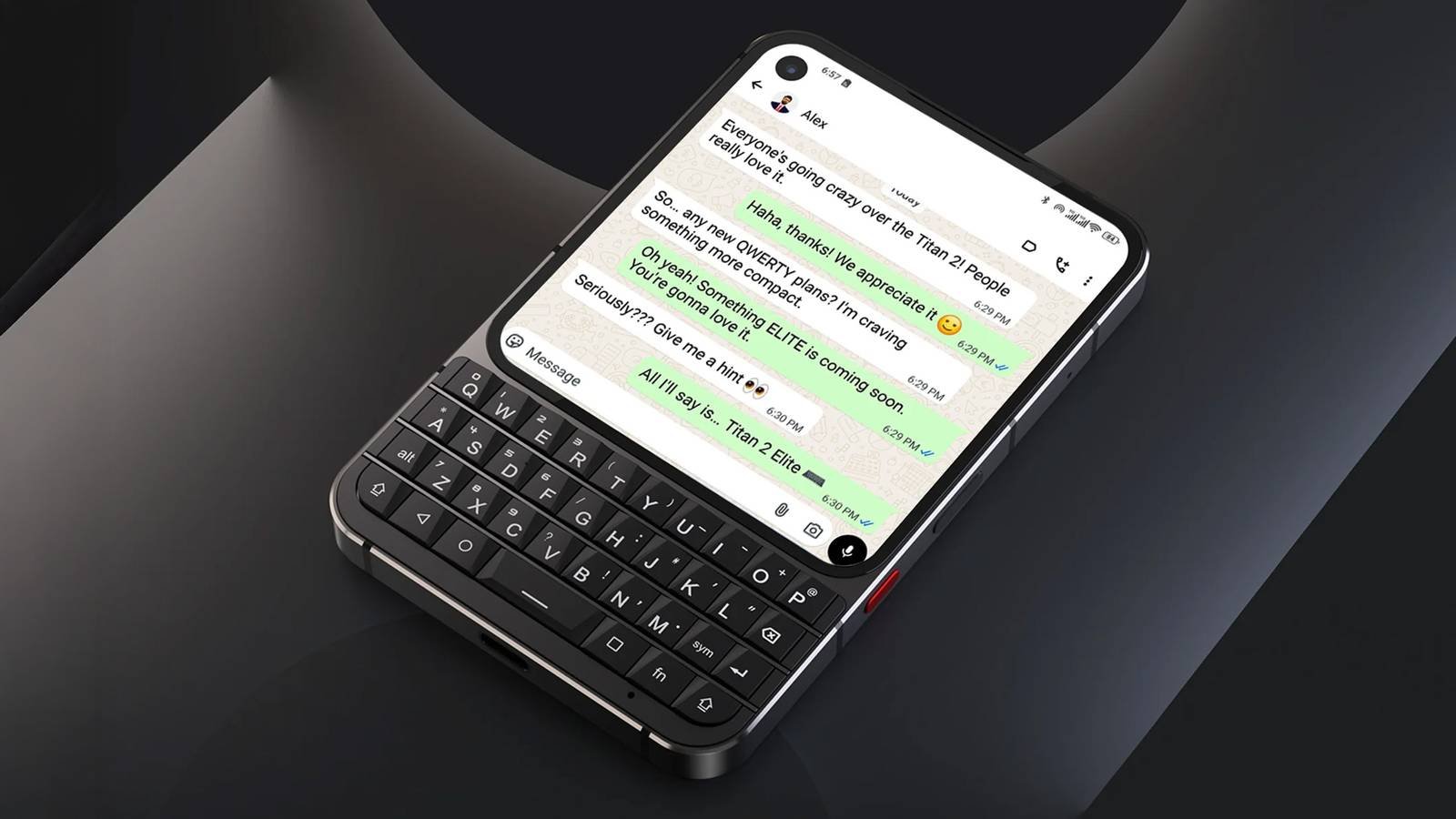
The Titan 2 Elite adopts a design language that immediately evokes memories of BlackBerry's classic devices, particularly the Bold and Classic series. It features a landscape-oriented physical QWERTY keyboard, a 4.5-inch square-ish display with a 1:1 aspect ratio, and a build that prioritizes durability and a solid in-hand feel. The keyboard itself is backlit and includes a dedicated navigation cluster, a feature that has become increasingly rare in modern smartphones.
This design choice is a direct response to a specific pain point: the inefficiency of virtual keyboards for certain tasks. For users who write long-form content, code, or frequently use command-line interfaces, the physical feedback and key travel of a mechanical keyboard can significantly improve speed and accuracy. Unihertz isn't trying to compete with flagship touch devices; instead, it's serving a market segment that mainstream manufacturers have largely abandoned.
Modern Internals in a Classic Shell
Unlike the original BlackBerry devices, the Titan 2 Elite runs on a modern Android 13 operating system. This is a critical distinction. It means users have access to the full Android ecosystem, including current apps, security updates, and Google services. The device is powered by a MediaTek Helio G99 processor, paired with 8GB of RAM and 128GB of internal storage, expandable via microSD card.
This hardware configuration places it firmly in the mid-range category. It's not designed for high-end gaming or intensive photo editing, but it's more than capable of handling productivity apps, email, messaging, and web browsing. The 4,100 mAh battery should provide all-day usage for the target audience, whose workflows are less power-intensive than those of multimedia consumers.
The Developer and Power User Angle
For mobile developers and power users, the Titan 2 Elite presents an interesting case study in platform specialization. While iOS and Android have converged on touch-first interfaces, there remains a subset of users whose workflows are fundamentally keyboard-centric. This device highlights a gap in the current mobile landscape: the lack of first-party support for physical input methods from major OEMs.
From a development perspective, the device runs standard Android, so apps don't require special adaptation. However, developers creating text-heavy applications (like note-taking apps, coding environments, or terminal emulators) should consider how their UIs might benefit from or accommodate a physical keyboard. Features like keyboard shortcuts, which are often overlooked in touch-first design, become primary interaction methods on such devices.
The Titan 2 Elite also serves as a reminder of the importance of input method diversity. While touchscreens are dominant, they are not universally optimal. For users with motor impairments, or for those who simply prefer tactile feedback, physical keyboards remain a valuable accessibility feature. The continued existence of devices like the Titan series ensures this input method doesn't disappear entirely.
Market Position and Practical Considerations
Unihertz operates in a space where volume is low but user loyalty is high. The company's business model relies on crowdfunding and direct sales, which allows it to produce devices without the massive inventory risks associated with mainstream launches. This approach is similar to how companies like Planet Computers (with its Astro Slide) or F(x)tec (with its Pro1 X) operate.
However, this niche status comes with trade-offs. Software updates are often slower than those from major manufacturers, and long-term support can be uncertain. The camera system on the Titan 2 Elite is functional but not competitive with mainstream smartphones—a concession made to keep the device affordable and focused on its core purpose.
For developers considering supporting such devices, the key is to ensure that apps remain functional and accessible via keyboard navigation. Android's built-in support for keyboard navigation is robust, but many apps are designed with touch-only interactions in mind. Testing on a device with a physical keyboard can reveal usability issues that might otherwise go unnoticed.
The Broader Context of Input Method Innovation
The Titan 2 Elite exists within a larger conversation about how we interact with our devices. While foldable phones explore new screen real estate, and AR/VR headsets experiment with spatial interfaces, the physical keyboard represents a different kind of innovation: refining a proven, efficient input method for a specific use case.
This isn't about nostalgia; it's about practicality. For the journalist writing an article on a train, the programmer debugging code on a park bench, or the field technician logging data in harsh environments, a physical keyboard can be more reliable and faster than a touchscreen. It's a tool designed for a job, not a lifestyle accessory.
The continued existence of devices like the Titan 2 Elite proves there's still demand for specialized hardware. It challenges the assumption that one form factor must fit all users and highlights the value of diversity in the mobile ecosystem. For the mobile developer, it's a reminder to consider the full spectrum of user needs and input methods, not just the dominant touch paradigm.
Availability and Pricing
The Titan 2 Elite is available for purchase directly from Unihertz's website. Pricing is typically in the $300-$400 range, positioning it as an affordable alternative for those seeking a physical keyboard experience without the premium price tag of some niche devices.
For those interested in learning more or following the project, Unihertz maintains an active community on platforms like Facebook and YouTube, where they share updates and gather feedback from users. The device's specifications and purchase details can be found on their official site: Unihertz Titan 2 Elite.
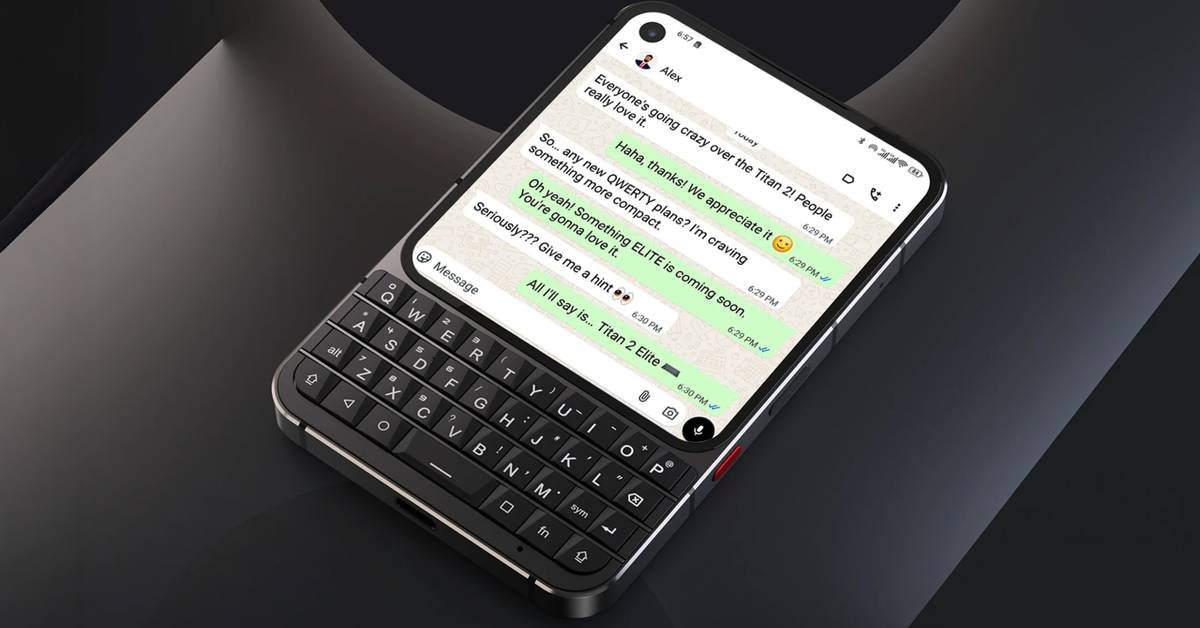
In a market dominated by glass slabs, the Titan 2 Elite is a deliberate, purposeful outlier. It won't appeal to everyone, but for those who need what it offers, it represents a rare and valuable option in the modern smartphone landscape.
Comments
Please log in or register to join the discussion