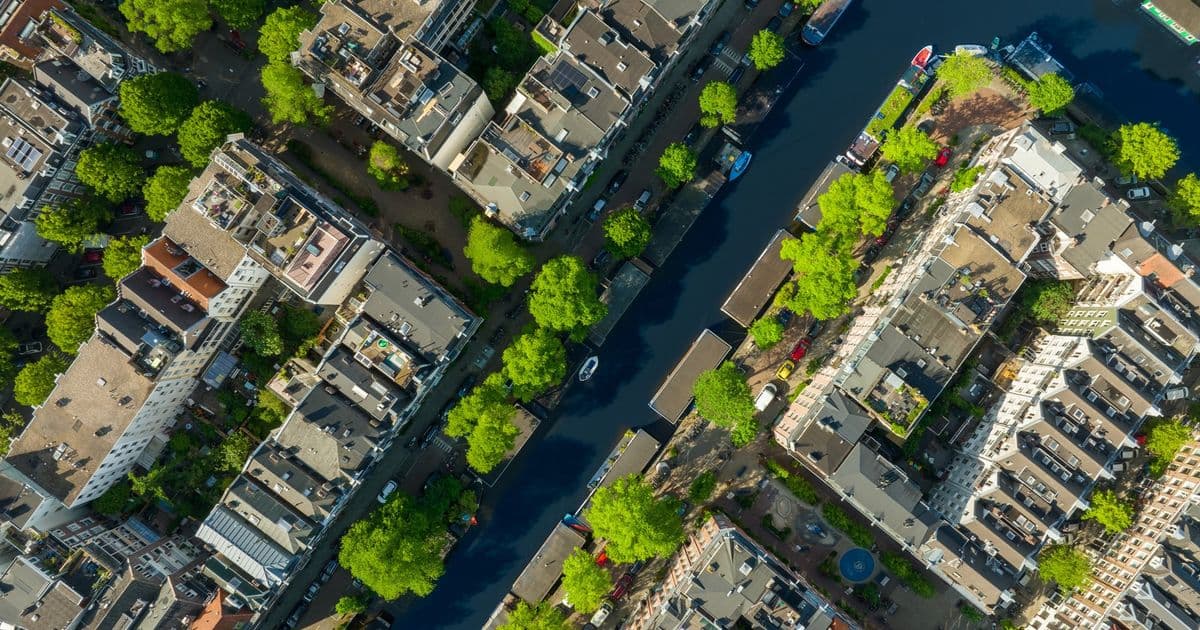
An MIT-led study reveals consistent disparities in pedestrian shade coverage across nine global cities, with wealthier neighborhoods having significantly more tree canopy protection against heat than lower-income areas.
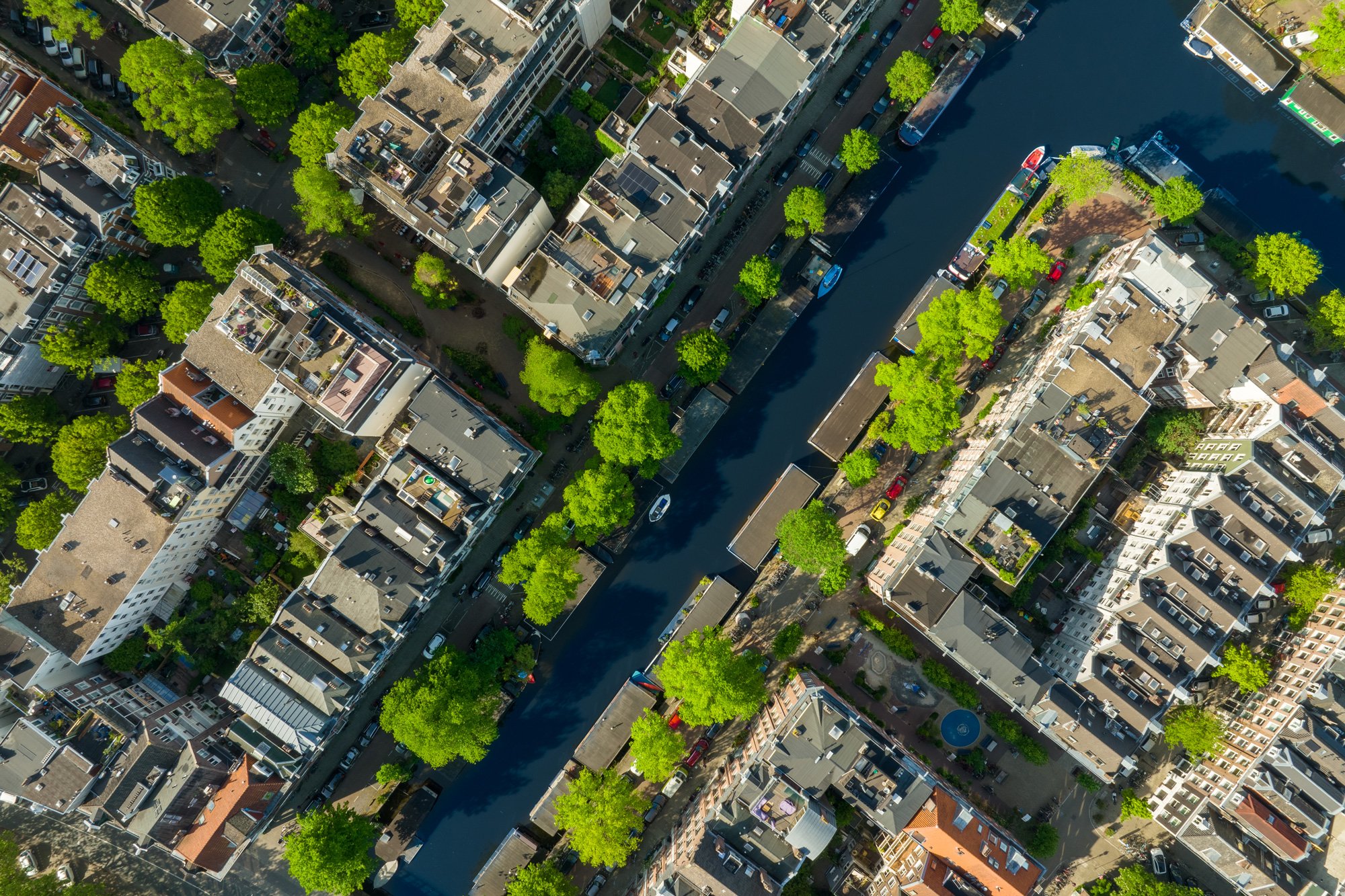
New research from MIT exposes stark inequalities in urban heat protection, revealing that pedestrian shade coverage - one of the most effective natural cooling mechanisms - consistently favors wealthier neighborhoods across global cities. The international study analyzed nine cities spanning four continents and diverse climates, finding that sidewalk tree canopy follows economic lines regardless of a city's overall vegetation levels.
Using satellite imagery and urban mapping tools, researchers developed a standardized shade index (0-1 scale) measuring pedestrian protection during peak heat periods, including summer solstice and hottest recorded days. They combined this with granular economic data to reveal consistent patterns:
"Strictly by looking at which areas are shaded, we can tell where rich people and poor people live," explains Fabio Duarte, principal research scientist at MIT's Senseable City Lab and study co-author. "This disparity persists whether examining well-shaded cities like Stockholm (average index 0.6-0.9) or minimally shaded locations like Belem, Brazil (mostly below 0.1)."
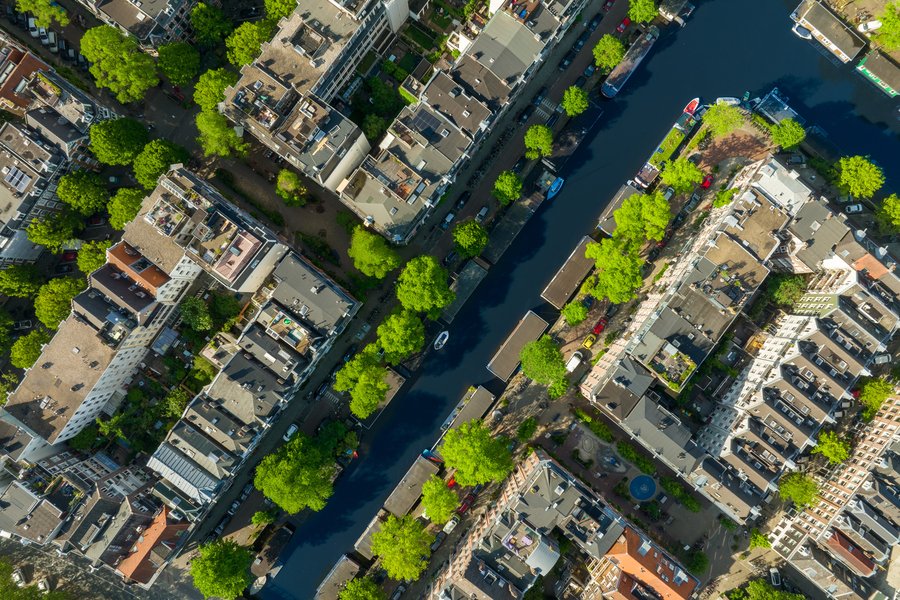 Amsterdam's distinct pattern of shade inequality mirrors findings across global cities
Notable findings:
- Wealth correlation: The top 20% of neighborhoods by income had 2-3x more shade coverage than bottom 20% across all cities
- Inverse patterns: Wealthy Stockholm showed greater shade disparity (0.58 vs 0.9 between lowest/highest quintiles) than poorer Belem
- Transportation link: Low-shade areas consistently overlapped with public transit routes used by heat-vulnerable populations
"What surprised us was how pronounced the disparity remains in wealthy cities," notes Lukas Beuster, research fellow at Amsterdam Institute for Advanced Metropolitan Solutions. "In places like Amsterdam, lower-income areas systematically lack the shade protection enjoyed just neighborhoods away."
The team recommends practical interventions:
- Transit-aligned planting: Prioritize trees along public transportation corridors where pedestrian activity concentrates
- Functional urban forestry: Treat shade as infrastructure rather than aesthetic, preserving existing street trees over park plantings
- Policy framework: Establish shade provision as fundamental urban right alongside transportation access
"When it comes to heat mitigation, it's not just about planting trees - it's about strategically placing them where people walk," Duarte emphasizes. "Following transit routes ensures protection reaches those who need it most: pedestrians without air-conditioned alternatives."
The full methodology and city-specific data appear in Nature Communications.
Supported by Amsterdam Institute for Advanced Metropolitan Solutions and MIT Senseable City Consortium
Comments
Please log in or register to join the discussion