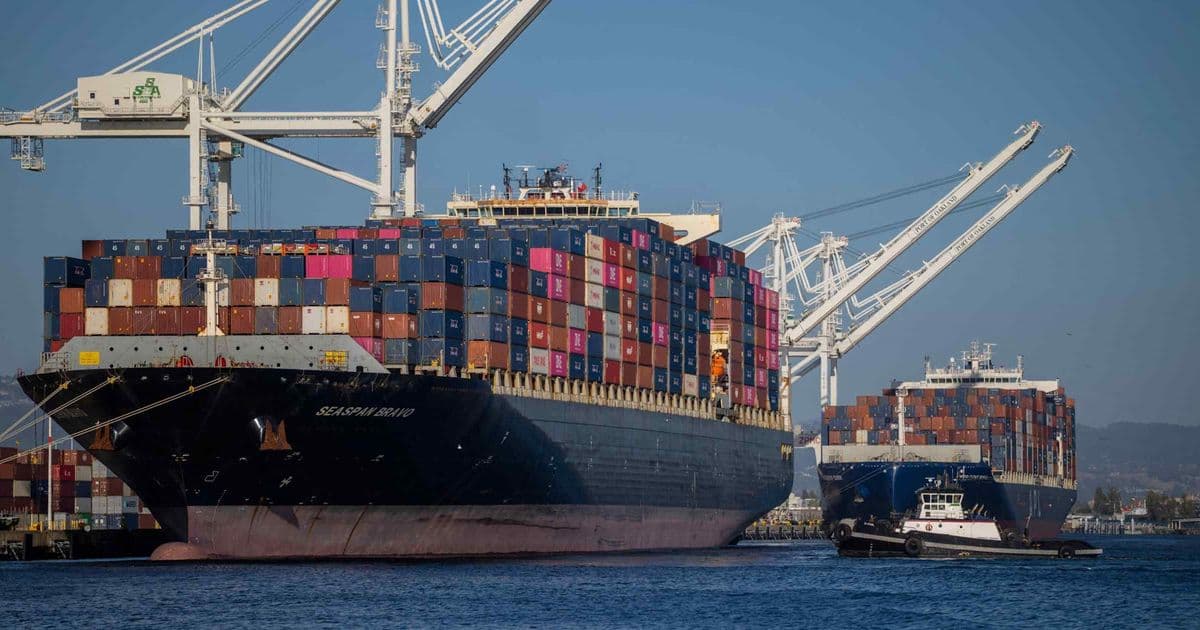
U.S. prosecutors have charged several China‑based firms with conspiring to limit container supply and inflate prices during the pandemic, triggering a 10%‑20% sell‑off in Hong Kong‑listed CIMC and Singamas. The move highlights rising regulatory risk for China’s logistics exporters amid intensifying US‑China tensions.
Business news
U.S. antitrust authorities announced criminal charges on Thursday against a group of Chinese firms alleged to have coordinated the allocation of shipping containers and to have fixed prices throughout the COVID‑19 pandemic. The indictment names the China International Marine Containers (CIMC) group, its listed subsidiary CIMC International, and Hong Kong‑listed Singamas Transport Holdings as primary participants. Within hours of the filing, Singamas fell as much as 20 % on the Hong Kong exchange, while CIMC’s dual‑listed shares slipped roughly 10 % in both Hong Kong and Shenzhen.
Market context
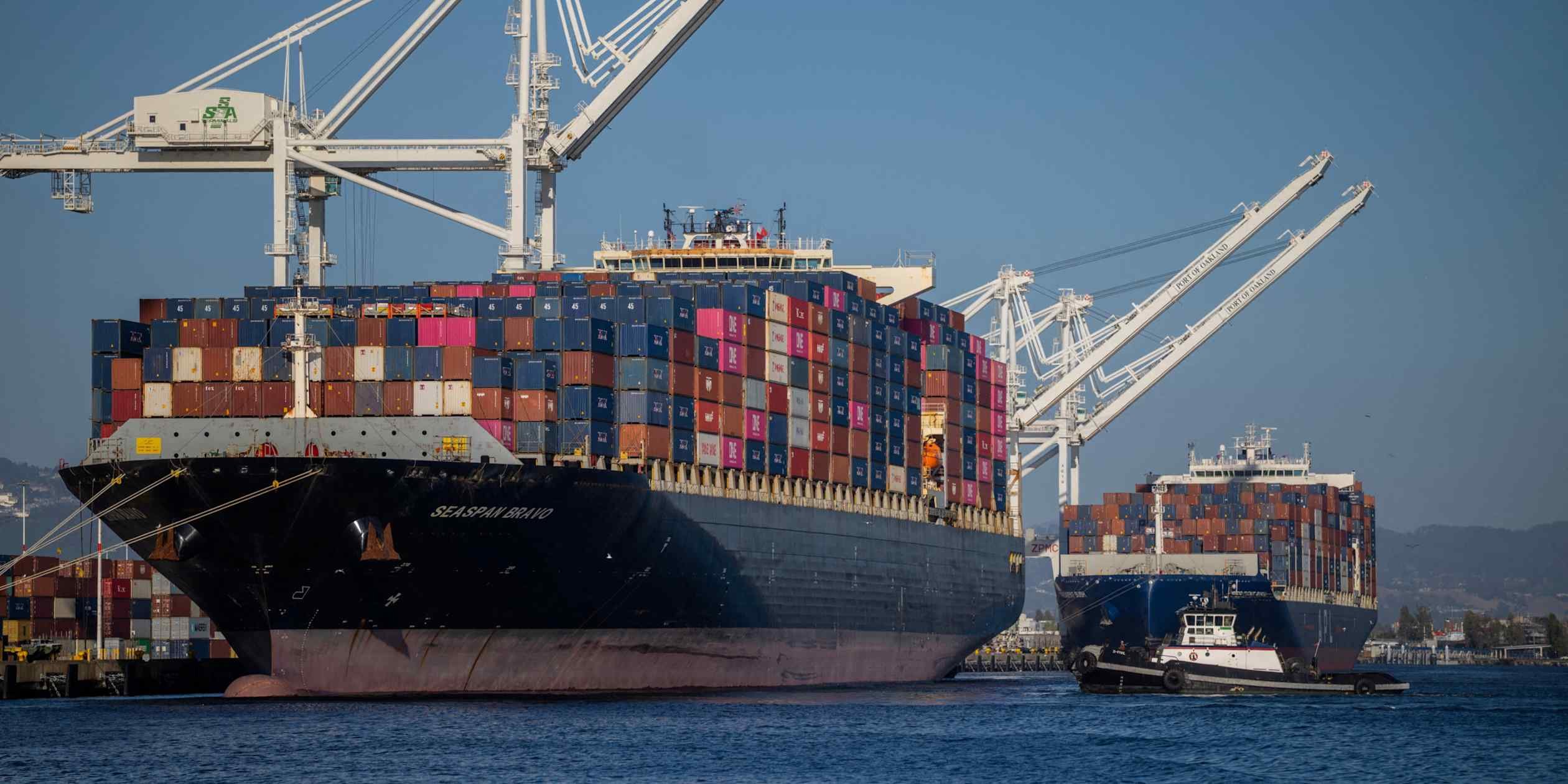
The container market surged in 2020‑2021 as global trade rebounded from pandemic lockdowns, pushing container leasing rates to historic highs – the Shanghai Containerized Freight Index (SCFI) peaked at $4,300 per forty‑foot unit in early 2022. Analysts estimate that the alleged cartel’s activities may have added $1‑2 billion in excess revenue to the firms involved, according to a report by the consultancy AlixPartners.
China remains the world’s largest container manufacturer, accounting for roughly 70 % of global production capacity. CIMC alone reported ¥210 billion (≈$30 billion) in revenue for FY 2025, with container sales contributing about 45 % of that total. The share price decline therefore represents a market‑cap erosion of roughly ¥15 billion for CIMC and ¥3 billion for Singamas, wiping out a sizable portion of the firms’ 2025 earnings.
The case arrives amid a broader wave of U.S. enforcement actions targeting Chinese supply‑chain actors, from semiconductor equipment to rare‑earth processing. The Department of Justice’s Antitrust Division has signaled a willingness to pursue criminal liability for foreign entities that affect U.S. markets, a stance reinforced by the recent U.S.–China Trade and Technology Dialogue.
What it means
- Regulatory risk premium: Investors are now pricing a higher risk premium into Chinese logistics exporters. Analysts at Nomura have cut CIMC’s 2026 earnings‑per‑share forecast by 8 %, citing “potential fines, remediation costs, and heightened compliance spending.”
- Supply‑chain diversification: Global shippers may accelerate moves away from single‑source container suppliers. European firms such as CMA CGM have already announced pilot programmes to source containers from Turkey and Vietnam, seeking to mitigate exposure to U.S. enforcement.
- Potential penalties: While the indictment does not disclose the exact fines, comparable U.S. antitrust cases have resulted in penalties ranging from $100 million to $1 billion per company, plus possible restitution to affected customers. If the DOJ pursues a plea deal, the financial hit could be material for both CIMC and Singamas.
- Strategic shift for Chinese exporters: To preserve market access, Chinese container makers may need to restructure their sales channels, increase transparency in pricing, and possibly divest from joint ventures that could be viewed as conduits for collusion.
- Broader geopolitical signal: The case underscores that U.S. authorities are extending antitrust tools as part of a larger strategy to counter perceived economic coercion by Beijing. Companies operating in sectors with cross‑border trade flows should anticipate tighter scrutiny and consider bolstering internal compliance programs.
Overall, the indictment not only depresses share prices in the short term but also reshapes the risk calculus for investors and industry participants who rely on Chinese‑manufactured containers. The market will be watching closely for any settlement terms, as they will set a precedent for how far U.S. enforcement can reach into China’s export‑driven manufacturing base.
Comments
Please log in or register to join the discussion