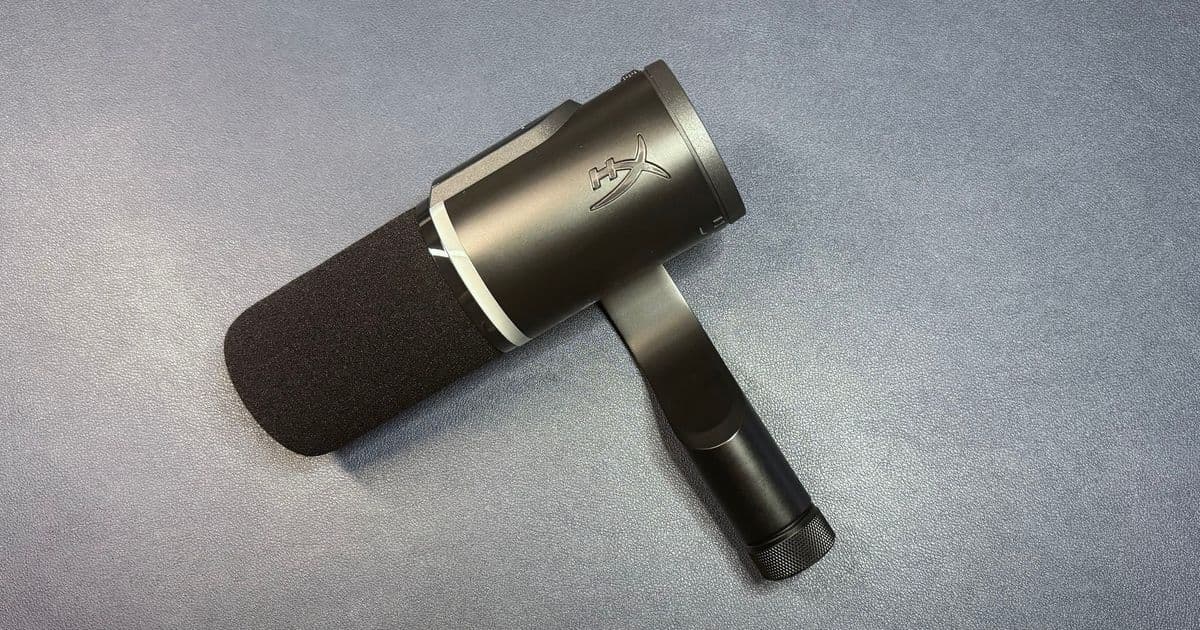
The HyperX FlipCast combines USB‑C and XLR outputs in a single end‑address condenser, offering on‑mic controls, AI‑driven noise reduction, and 32‑bit/192 kHz recording for $229.99. While its build quality and feature set are solid, the lack of a stand and a premium price make it a niche choice for creators who need both connection types.
HyperX FlipCast Review: A Dual‑Connectivity Mic for Streamers and Podcasters
Announcement
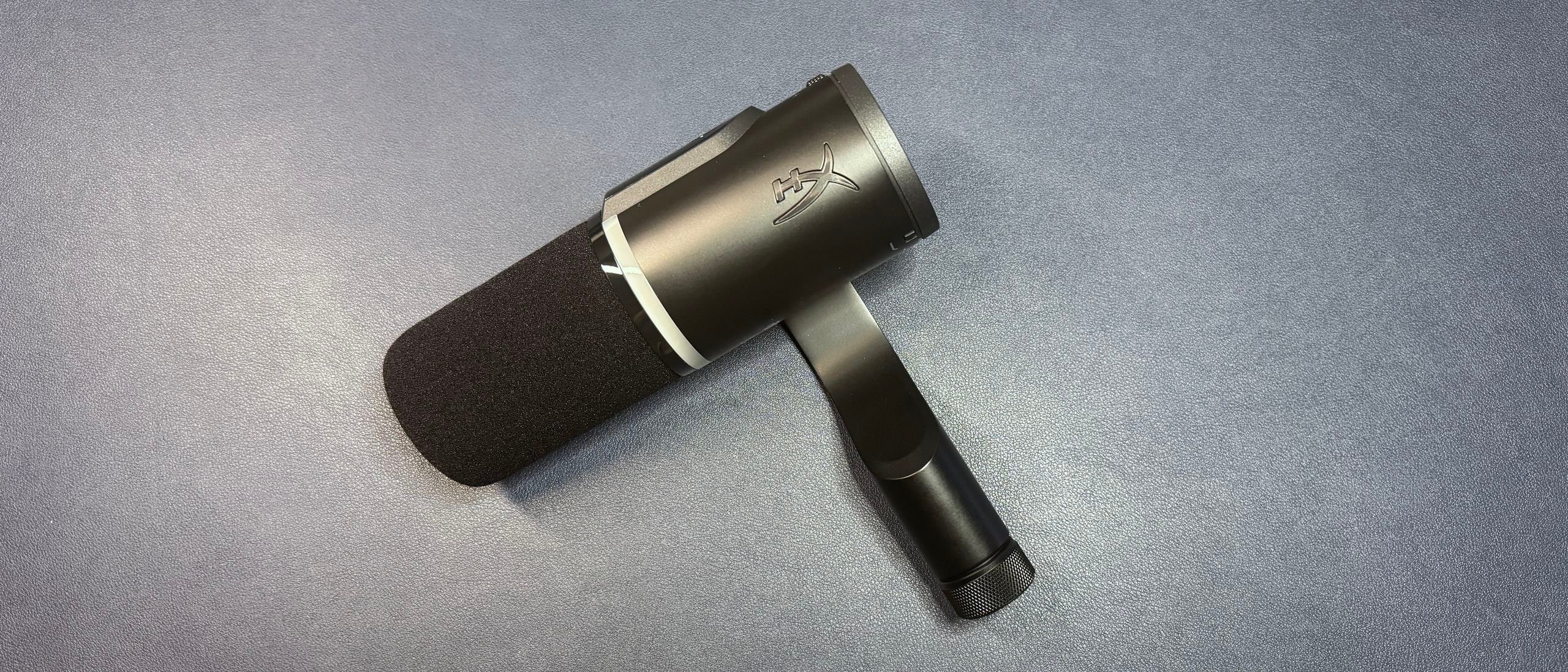
HyperX has expanded its popular QuadCast family with the FlipCast, a microphone that ships with both USB‑C and XLR outputs. Priced at $229.99, the FlipCast targets creators who want the plug‑and‑play convenience of a USB mic while keeping the option to plug into a traditional audio interface for higher‑end production.
Technical specifications
| Feature | Detail |
|---|---|
| Capsule type | Condenser (dynamic‑style design) |
| Polar pattern | Cardioid |
| Frequency response | 20 Hz – 20 kHz |
| Resolution / sample rate | 32‑bit / 192 kHz (USB‑C) |
| Connectivity | USB‑C, XLR (3‑pin), 3.5 mm headphone jack |
| Adjustable gain | Yes (wheel control) |
| On‑mic controls | Tap‑to‑mute, gain/monitor wheel, high‑pass filter, presence boost |
| Software | HyperX Ngenuity (EQ, AI noise reduction, compressor, limiter, RGB lighting) |
| Dimensions | 6.75 in × 2.25 in (171 mm × 57 mm) |
| Weight | 1.26 lb (571 g) |
| Included accessories | Integrated swing arm, 10‑ft braided USB‑C cable with USB‑A adapter, soft drawstring bag |
| Release date | August 2025 |
The FlipCast records up to 32‑bit/192 kHz when used via USB‑C, matching the resolution of many professional audio interfaces. Its cardioid pattern provides decent off‑axis rejection, and the built‑in high‑pass filter (150 Hz) helps tame rumble in untreated rooms. The presence boost switch adds a slight high‑frequency lift for vocal clarity.
On‑mic hardware controls
- Tap‑to‑mute button sits on a raised platform with an LED level meter; the LED turns red when muted.
- Multi‑function wheel cycles through three modes—mic gain, headphone volume, and monitor mix—indicated by color (pink, yellow, blue) and icons.
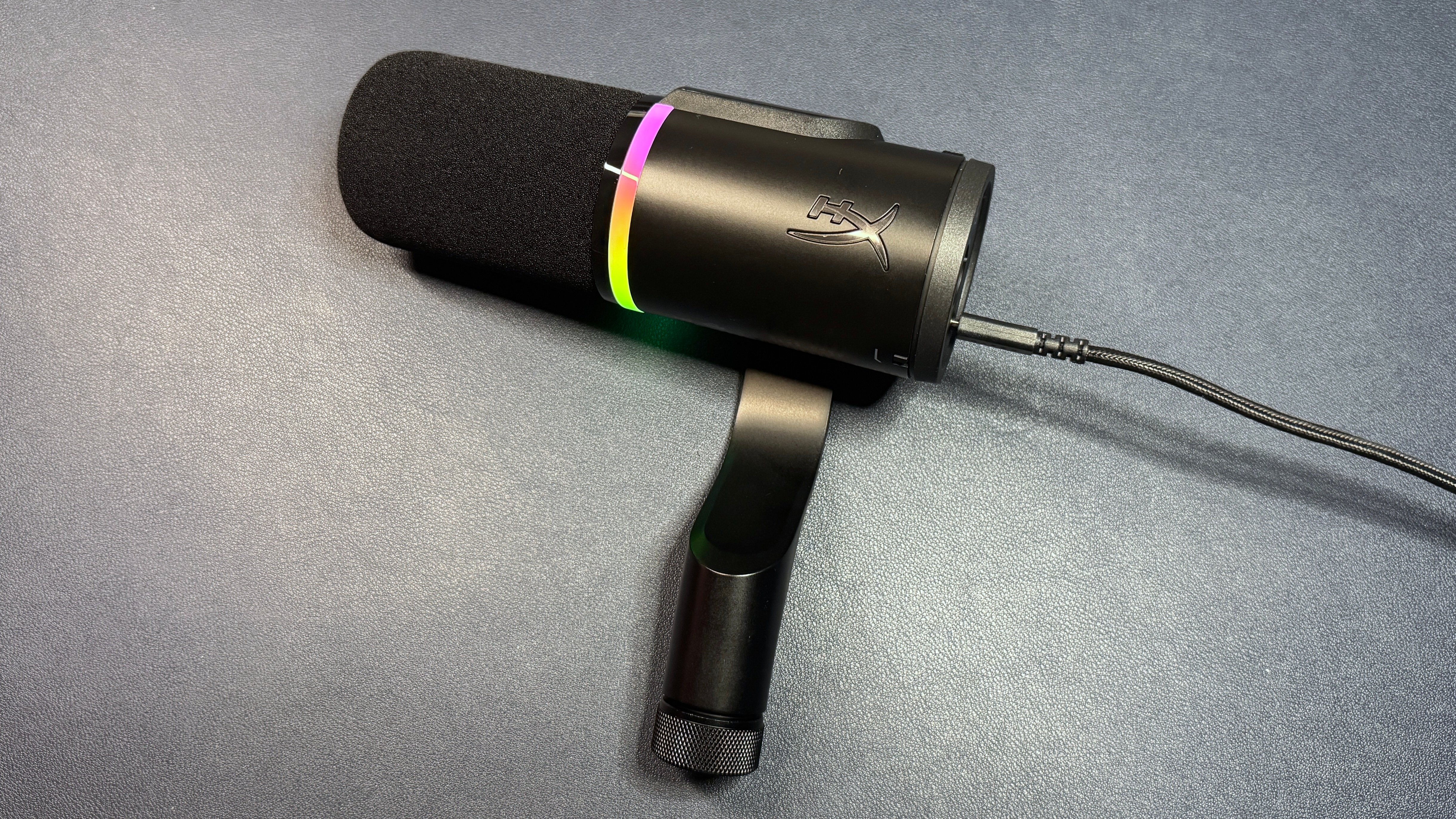
- RGB light ring surrounds the capsule; 13 zones are individually programmable via Ngenuity, and the ring turns off when the mic is muted.
Connectivity layout
The rear panel hosts three ports:
- Center: XLR (balanced, 3‑pin)
- Lower right: USB‑C (digital audio, 32‑bit/192 kHz)
- Lower left: 3.5 mm headphone jack for zero‑latency monitoring.
Software suite – Ngenuity
HyperX’s Ngenuity app, now out of beta, lets users:
- Apply a parametric EQ with up to 6 bands.
- Enable AI noise reduction, which attenuates fan noise, traffic, and typing without heavily coloring the voice.
- Add a compressor and limiter for broadcast‑style dynamics.
- Customize the RGB ring or turn it off entirely.
The software is optional; the mic’s on‑board filters work independently of the PC.
Market implications
Positioning against competitors
| Model | Connectivity | On‑mic controls | Price (USD) |
|---|---|---|---|
| HyperX FlipCast | USB‑C + XLR | Tap‑mute, gain wheel, HPF, boost | 229.99 |
| Rode PodMic USB | USB‑C only | None | 199.99 |
| Rode PodMic (XLR only) | XLR only | None | 99.00 |
| HyperX QuadCast 2 S | USB‑C only | Tap‑mute, gain wheel, RGB | 129.99 |
The FlipCast sits between pure‑USB solutions (QuadCast 2 S) and budget XLR‑only mics (Rode PodMic). Its dual‑connectivity costs roughly $100 more than a comparable USB‑only mic, but it eliminates the need to purchase a separate audio interface for creators who anticipate moving to an XLR workflow.
Supply‑chain considerations
- The FlipCast uses a standard 3‑pin XLR connector and a USB‑C port sourced from the same suppliers that provide components for HyperX’s gaming headsets, suggesting a shared supply chain that can absorb demand spikes.
- Production began in Q3 2025, with initial shipments allocated to North America and Europe. Early reports indicate lead times of 4‑6 weeks for retail units, reflecting the broader semiconductor shortage that still affects USB‑C controller chips.
- The included 10‑ft braided USB‑C cable is sourced from a contract manufacturer in Taiwan, a region that has recently faced capacity constraints for high‑speed data cables. This could affect bundle pricing if demand rises sharply.
Target audience and adoption outlook
The FlipCast appeals to:
- Mid‑range streamers who want a single mic that can grow with their setup.
- Podcasters who record solo episodes via USB but occasionally host guests and need an XLR feed for multi‑mic rigs.
- Content creators who value on‑mic hardware controls and prefer not to rely on software for basic gain adjustments.
However, the absence of a desktop stand adds an extra cost for users without an existing boom arm, potentially raising the total outlay to $260‑$280. For creators who already own a boom arm, the FlipCast’s price is more competitive.
Bottom line
The HyperX FlipCast delivers solid 32‑bit/192 kHz audio, a useful set of hardware controls, and AI‑driven noise reduction in a package that bridges the USB‑only and XLR‑only worlds. Its build quality feels premium for the weight class, and the RGB ring adds a visual flair that many streamers appreciate.
The main drawbacks are its premium price and the lack of an included stand, which makes it a niche product for creators who truly need both connection types. If you already own a boom arm and plan to transition to an XLR workflow, the FlipCast offers a convenient upgrade path. Otherwise, a dedicated USB mic like the QuadCast 2 S or a budget XLR mic paired with an interface may provide better value.
For more details on HyperX’s microphone lineup, visit the official HyperX product page.
Comments
Please log in or register to join the discussion