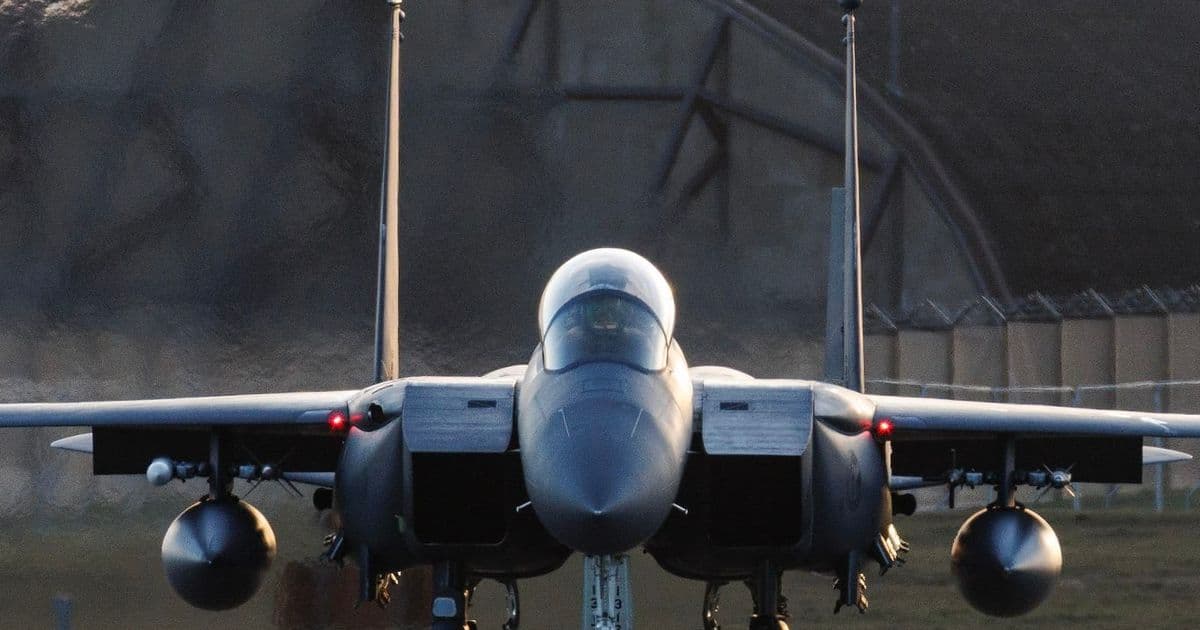
An F-15 fighter jet was shot down over Iran, with one crew member rescued and search ongoing for the second.
A U.S. F-15 fighter jet was shot down over Iran on Thursday, with one crew member rescued and search efforts continuing for the second, according to U.S. defense sources.
What happened: The incident occurred during a routine patrol mission when the aircraft was struck by Iranian air defenses. The exact location and circumstances remain under investigation, though initial reports suggest the jet was operating in international airspace when it was hit.
Rescue operations: U.S. forces successfully extracted one crew member from the crash site, who is currently receiving medical evaluation. Search and rescue teams are actively pursuing leads on the second crew member's whereabouts, with multiple assets deployed to the region.
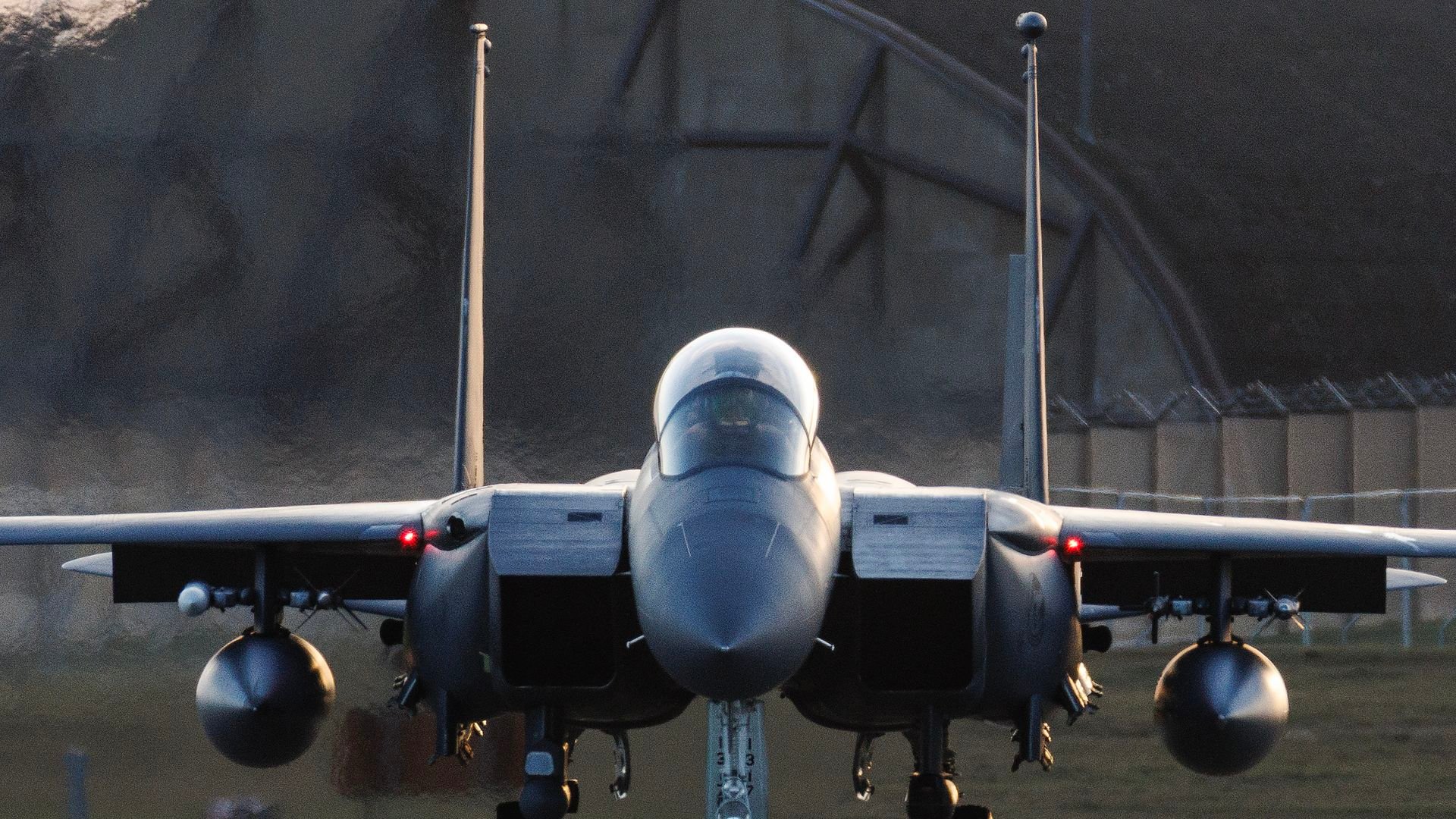
Military context: The F-15 Eagle is a twin-engine, all-weather tactical fighter designed for air superiority missions. First introduced in 1976, the platform has served as a cornerstone of U.S. air power for nearly five decades. The specific variant involved in this incident has not been disclosed.
Regional tensions: This incident comes amid heightened tensions in the Middle East, with Iran maintaining an extensive air defense network along its borders. The country has invested heavily in Russian and domestically-produced surface-to-air missile systems over the past decade.
Strategic implications: The downing of a U.S. fighter jet represents a significant escalation in military tensions. Defense analysts note that Iran's ability to successfully engage and destroy an F-15 suggests either a failure in U.S. electronic countermeasures or the deployment of advanced Iranian air defense capabilities.
Historical precedent: This marks the first time since 2011 that a U.S. fighter jet has been lost to enemy fire in the region. The incident recalls the 1999 shootdown of a U.S. F-117 stealth fighter over Serbia, which provided adversaries with valuable intelligence on American military technology.
Diplomatic fallout: The incident is likely to trigger emergency consultations between U.S. military leadership and the White House National Security Council. Iran has not yet issued an official statement regarding the incident, though state media is expected to address the matter in coming hours.
Technical considerations: F-15s are equipped with sophisticated countermeasures including radar jammers, flares, and chaff dispensers designed to defeat surface-to-air missiles. The successful engagement by Iranian defenses raises questions about either technical failures or the effectiveness of Iran's latest air defense systems.
Search parameters: Rescue operations are being conducted across a wide area, with weather conditions and terrain complicating efforts. The rugged landscape of the region presents significant challenges for both air and ground search teams.
International response: Allies in the region have been placed on heightened alert as a precaution, though no immediate threats to other U.S. or coalition assets have been identified. The incident occurs just weeks after the U.S. conducted joint military exercises with regional partners.
Next steps: Military officials have stated that a full investigation will be launched once the immediate search and rescue operation concludes. The findings will likely influence U.S. operational procedures and equipment upgrades in the region.
The incident underscores the persistent risks faced by U.S. military personnel operating in contested airspace, even with advanced technology and training. As search efforts continue, attention remains focused on the safe recovery of the missing crew member and the broader implications for U.S.-Iran relations.
Comments
Please log in or register to join the discussion