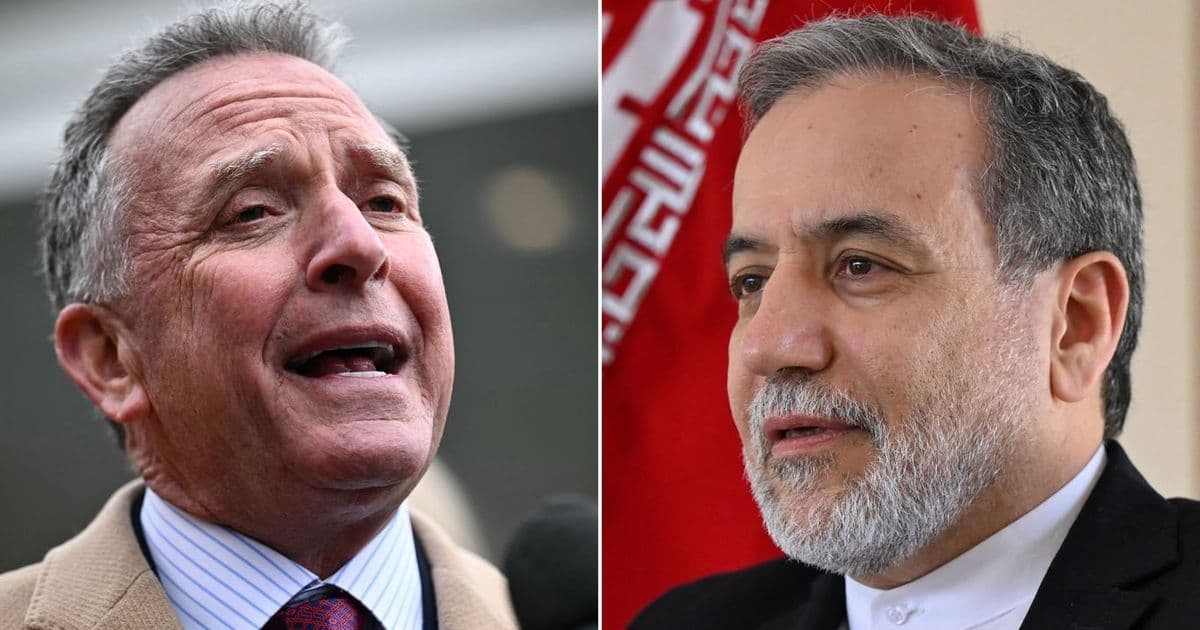
US and Iranian mediators are reportedly pushing for a 45-day ceasefire agreement, marking a significant diplomatic effort to de-escalate tensions in the Middle East.
US and Iranian mediators are engaged in last-ditch negotiations to establish a 45-day ceasefire, according to sources familiar with the discussions. The talks represent a critical diplomatic push to de-escalate tensions between the two nations amid ongoing regional conflicts.
Key Details of the Negotiations
The ceasefire proposal comes after weeks of intensified diplomatic activity, with both sides working to find common ground on several contentious issues. Sources indicate that the 45-day timeline was chosen as a compromise period that would allow for further negotiations while providing immediate relief from hostilities.
US Middle East envoy Steve Witkoff has been leading the American delegation, meeting with Iranian Foreign Minister Abbas Araghchi in a series of high-stakes discussions. The talks have focused on multiple areas of concern, including nuclear program limitations, regional military activities, and economic sanctions.
Strategic Implications
If successful, the ceasefire could mark a significant shift in US-Iran relations, which have been characterized by decades of hostility and periodic escalations. The proposed agreement would create a window for more comprehensive negotiations on long-standing disputes between the two countries.
Regional analysts note that a temporary ceasefire could have ripple effects throughout the Middle East, potentially reducing tensions in proxy conflicts where both nations have vested interests. Countries like Iraq, Syria, and Yemen have been arenas for US-Iran competition, and a reduction in direct confrontation could allow for humanitarian improvements in these areas.
Challenges and Obstacles
Despite the progress in talks, significant obstacles remain. Hardliners in both countries have expressed skepticism about the negotiations, and any agreement would need to overcome domestic political resistance. Additionally, the complex web of regional alliances and rivalries means that a US-Iran agreement alone may not be sufficient to ensure lasting stability.
The 45-day timeframe itself presents both opportunities and risks. While it provides a concrete period for testing commitments and building trust, it also creates pressure for both sides to demonstrate tangible progress within a relatively short window.
International Response
European allies have cautiously welcomed the news of the ceasefire talks, with several countries offering to facilitate further negotiations if the initial 45-day period proves successful. China and Russia, both of which maintain relationships with Iran, have called for restraint and expressed support for diplomatic solutions.
Israel, a key US ally that views Iran as an existential threat, has maintained a careful public stance while privately expressing concerns about any agreement that doesn't address its security priorities. The Israeli government has emphasized the need for continued vigilance regarding Iran's nuclear program and regional activities.
Economic Context
The potential ceasefire comes at a time of significant economic pressure on Iran, with sanctions continuing to impact its oil exports and financial sector. For the United States, the talks represent an opportunity to reduce military tensions in a region where it maintains significant strategic interests.
Market analysts suggest that any reduction in US-Iran tensions could have positive effects on global oil prices, which have been volatile due to concerns about potential supply disruptions in the Persian Gulf.
Next Steps
Sources indicate that both sides are working to finalize the details of the ceasefire agreement, with particular focus on verification mechanisms and enforcement procedures. The coming days will be critical in determining whether the 45-day proposal can be translated into a concrete agreement.
If successful, the ceasefire could pave the way for more comprehensive negotiations on issues that have divided the US and Iran for decades. However, failure to reach an agreement could lead to renewed tensions and potential military confrontations.
Historical Context
The current negotiations echo previous diplomatic efforts between the US and Iran, including the 2015 nuclear deal and subsequent attempts to revive it. However, the current talks appear to be proceeding with different dynamics, reflecting changes in both countries' leadership and regional circumstances.
The outcome of these negotiations could have lasting implications for Middle East stability and global geopolitics, making them among the most consequential diplomatic efforts in recent years.
Comments
Please log in or register to join the discussion