Military exchange in strategic waterway threatens global energy supplies and shipping costs amid renewed diplomatic tensions
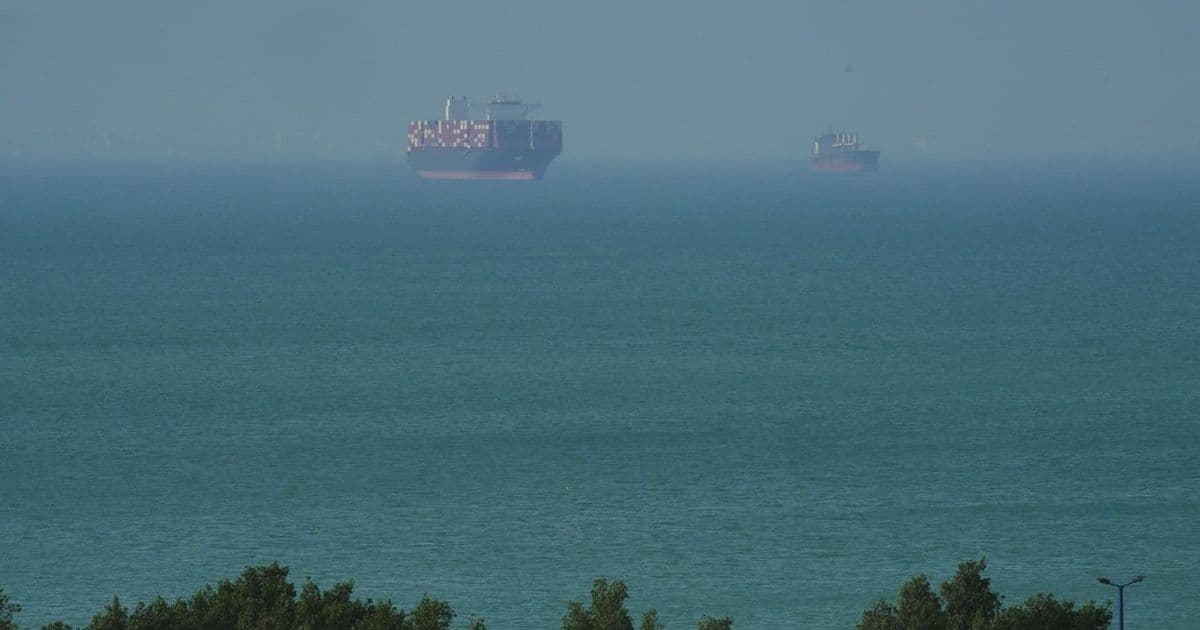
The United States and Iran engaged in a tense military exchange in the Strait of Hormuz, a critical waterway through which approximately 20% of global oil shipments pass. The incident occurred as former President Donald Trump advocates for establishing alternative shipping routes in the region, potentially reshaping decades of maritime security arrangements in the oil-rich Persian Gulf.
The Strait of Hormuz, a 21-mile-wide chokepoint between Iran and Oman, handles an estimated 17-20 million barrels of oil daily, valued at over $1.7 billion at current market prices. Any disruption to this vital shipping lane triggers immediate ripple effects across global energy markets, with Brent crude typically rising 2-5% within days of significant incidents.
"The strait represents the world's most concentrated energy artery," explains energy analyst Jennifer Lee from Oil Price Information Service. "When tensions flare here, the impact is measured in billions of dollars within hours. Insurance premiums spike, shipping routes are rerouted, and inventory costs climb across the entire supply chain."
The recent exchange of fire follows months of escalating rhetoric from Trump, who has publicly criticized the current administration's approach to Iran and suggested reopening negotiations with Tehran. His advocacy for alternative shipping routes potentially includes the Northern Sea Route or expanded use of the Suez Canal, though neither offers the same capacity as the Strait of Hormuz.
Global shipping companies have responded to the heightened tensions by adjusting their risk assessments. Maersk, the world's largest container shipping company, has rerouted approximately 15% of its Asia-Europe traffic through the Cape of Good Hope instead of the Suez Canal, adding 10-15 days to transit times and increasing fuel consumption by 20-30% per voyage.
The maritime insurance sector has also felt the impact. War risk premiums for vessels transiting the Strait of Hormuz have increased by approximately 300% since early 2024, according to London-based insurance market Lloyd's of London. These costs are typically passed through to consumers, contributing to inflationary pressures in energy markets.
From a technological perspective, the incident highlights the growing role of autonomous shipping and surveillance systems in conflict zones. Companies like Ocean Infinity and Sea-Intelligence report increased interest in their autonomous vessel solutions, which can reduce human exposure in high-risk areas while maintaining operational continuity.
The strategic implications extend beyond immediate market reactions. The US Navy's Fifth Fleet, based in Bahrain, maintains a constant presence in the region to ensure freedom of navigation. However, the recent incident suggests Iran's Islamic Revolutionary Guard Corps continues its strategy of harassing commercial vessels, employing small fast-attack boats and occasionally seizing vessels as bargaining chips.
Energy traders and market analysts are closely monitoring the situation, with options markets showing increased volatility in crude futures. The CME Group reports that options trading volume for Brent crude has risen 40% in the past week, indicating heightened hedging activity among market participants concerned about potential supply disruptions.
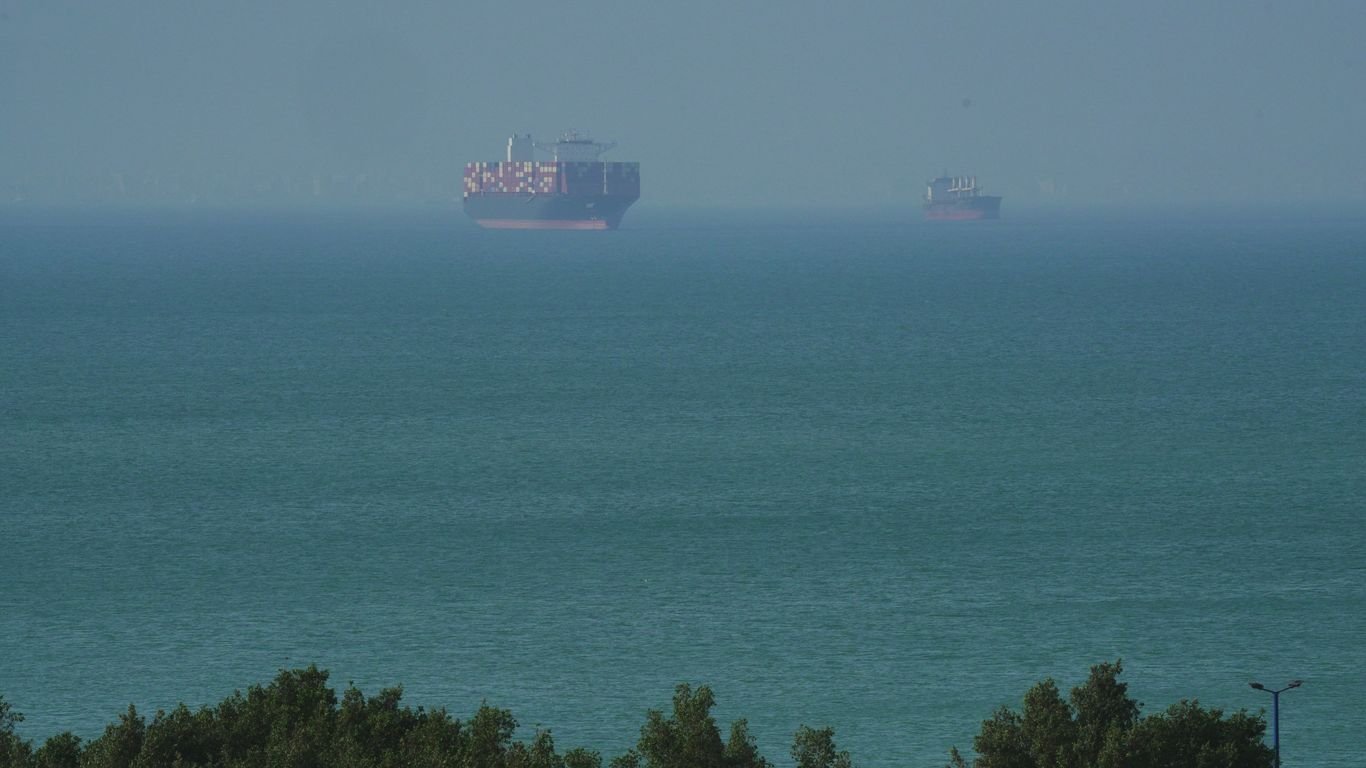
The economic impact extends beyond energy markets. The strait handles approximately 30% of global seaborne trade, including manufactured goods, agricultural products, and liquefied natural gas. A prolonged closure could disrupt supply chains already strained by geopolitical tensions in other regions, potentially accelerating inflationary pressures globally.
Industry experts note that the current situation underscores the vulnerability of just-in-time supply models to geopolitical shocks. "The incident serves as a reminder that maritime chokepoints represent systemic risks to global trade," says maritime economist Maria Rodriguez from the International Chamber of Shipping. "Companies are increasingly diversifying supply routes and maintaining higher inventory buffers, though these strategies come with significant carrying costs."
From a policy perspective, the incident reignites debates about energy security and the role of US military presence in the Gulf region. Trump's advocacy for alternative shipping routes reflects a broader strategic shift toward reducing dependence on potentially vulnerable maritime chokepoints, a concept that gained traction following similar incidents in 2019 and 2020.
As the situation evolves, market participants will be watching for signals from both Washington and Tehran, with the potential for either escalation or de-escalation carrying significant implications for global energy markets and shipping costs in the coming months.
Comments
Please log in or register to join the discussion