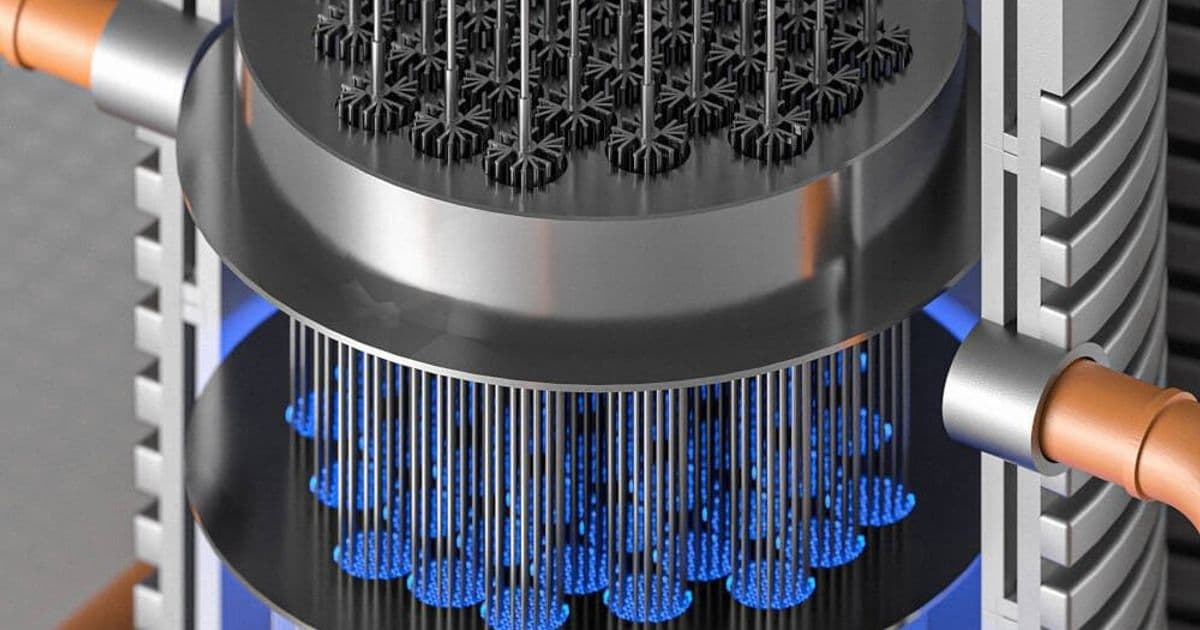
Deep Atomic's MK60 Small Modular Reactor aims to power AI and HPC datacenters at Idaho National Laboratory, marking a significant step toward dedicated nuclear-powered computing facilities in the US.
The US Department of Energy is advancing plans to colocate nuclear power generation with datacenter infrastructure, as Deep Atomic's consortium prepares to build a dedicated nuclear-powered AI and HPC datacenter campus at Idaho National Laboratory.
The MK60 Small Modular Reactor: Power and Cooling Combined
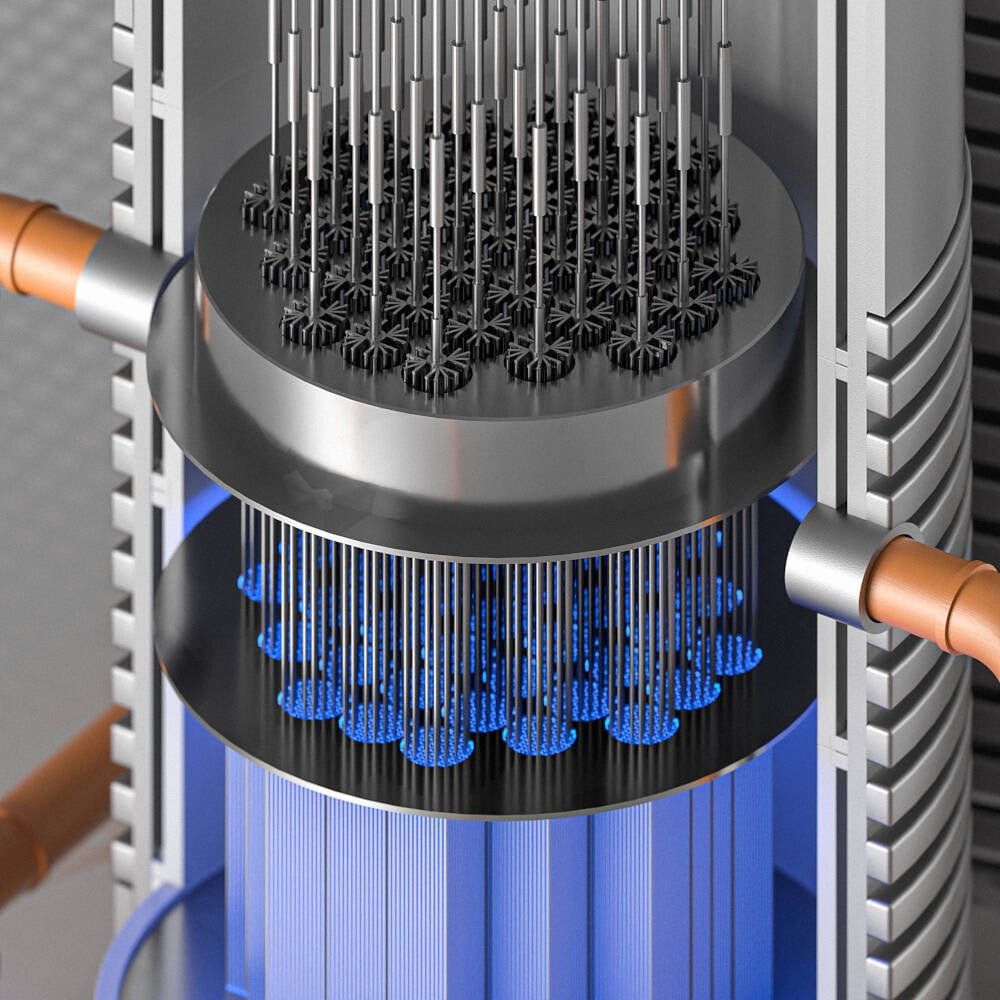
Deep Atomic's MK60 Small Modular Reactor represents a novel approach to datacenter power delivery. Unlike traditional datacenter facilities that draw power from the grid, the MK60 is designed to provide both electrical power and cooling capacity specifically optimized for high-density computing workloads.
The reactor claims to deliver 60 MW of behind-the-meter electrical power alongside 60 MW of cooling capacity. This dual-purpose design addresses one of the most significant challenges facing modern datacenters: the massive cooling requirements of AI and HPC infrastructure.
Consortium Approach to Nuclear Datacenter Development
The project brings together multiple specialized firms:
- Deep Atomic: Nuclear reactor developer and technology provider
- Paragon Energy Solutions: Nuclear industry partner
- Future-tech: Datacenter engineering expertise
- Moonlite: AI infrastructure specialization
- Clayco: Real estate development and construction planning
Clayco's involvement focuses on delivery planning, ensuring the datacenter campus design aligns with operational requirements for high-density AI workloads. The firm will advise on construction approaches that make the project "buildable" and "delivery-ready."
Phased Construction Strategy
The development follows a deliberate phased approach:
- Phase 1: Datacenter construction and commissioning using existing grid, geothermal, and solar power at INL
- Phase 2: MK60 SMR design certification, fabrication, and commissioning
- Phase 3: Full nuclear-powered operations
This strategy ensures the AI compute infrastructure becomes operational within 24-36 months while the nuclear component undergoes regulatory approval and construction. The approach provides operational continuity even if SMR deployment faces delays.
Industry Context and Timeline Expectations
According to Omdia principal analyst Alan Howard, the nuclear-powered datacenter vision is "a common vision and likely to come true in the future," but the timeline remains uncertain. Howard expects widespread adoption around 2035, though he hopes for earlier implementation.
Energy Secretary Chris Wright has expressed confidence that the US will have at least one SMR operational by July 2026, suggesting regulatory and deployment timelines may accelerate.
Technical and Market Considerations
The project addresses several critical challenges facing the datacenter industry:
- Grid capacity constraints: Many regions face limited grid connectivity for new datacenter developments
- Energy density requirements: AI and HPC workloads demand unprecedented power densities
- Cooling infrastructure: Advanced computing generates substantial heat requiring efficient removal
- Energy cost stability: Behind-the-meter nuclear power could provide predictable long-term energy costs
However, Howard notes that "the power delivery market is evolving and exceedingly complex," suggesting that actual implementation may differ from current visions. The rapid pace of change in datacenter AI capacity demand adds further uncertainty to long-term planning.
Significance for the Datacenter Industry
If successful, the Deep Atomic project at INL could establish a template for future datacenter development, particularly for facilities requiring massive power and cooling capacity. The approach offers potential advantages:
- Energy independence: Reduced reliance on grid infrastructure
- Cost predictability: Long-term power pricing stability
- Environmental considerations: Zero-carbon power generation
- Scalability: Modular reactor design allows for incremental capacity additions
The project also represents a significant test case for Small Modular Reactor technology in commercial applications beyond traditional power generation.
Regulatory and Safety Framework
Building on federal land at INL provides certain advantages for nuclear deployment, as the site has existing nuclear infrastructure and regulatory experience. However, the project must still navigate complex safety and environmental review processes.
The phased approach, starting with grid-powered operations before transitioning to nuclear, provides a safety buffer and operational flexibility during the regulatory approval process for the MK60 reactor.
Looking Ahead
The Deep Atomic project at Idaho National Laboratory represents one of the most ambitious attempts to integrate nuclear power generation directly with datacenter infrastructure. While challenges remain in terms of timeline, cost, and regulatory approval, the project's progress signals growing interest in nuclear-powered computing as a solution to the datacenter industry's energy challenges.
As AI and HPC workloads continue to drive exponential growth in datacenter power requirements, innovative approaches like nuclear colocation may become increasingly attractive to operators seeking reliable, high-density power solutions.
For more information about nuclear-powered datacenter initiatives, visit the US Department of Energy's website.
Comments
Please log in or register to join the discussion