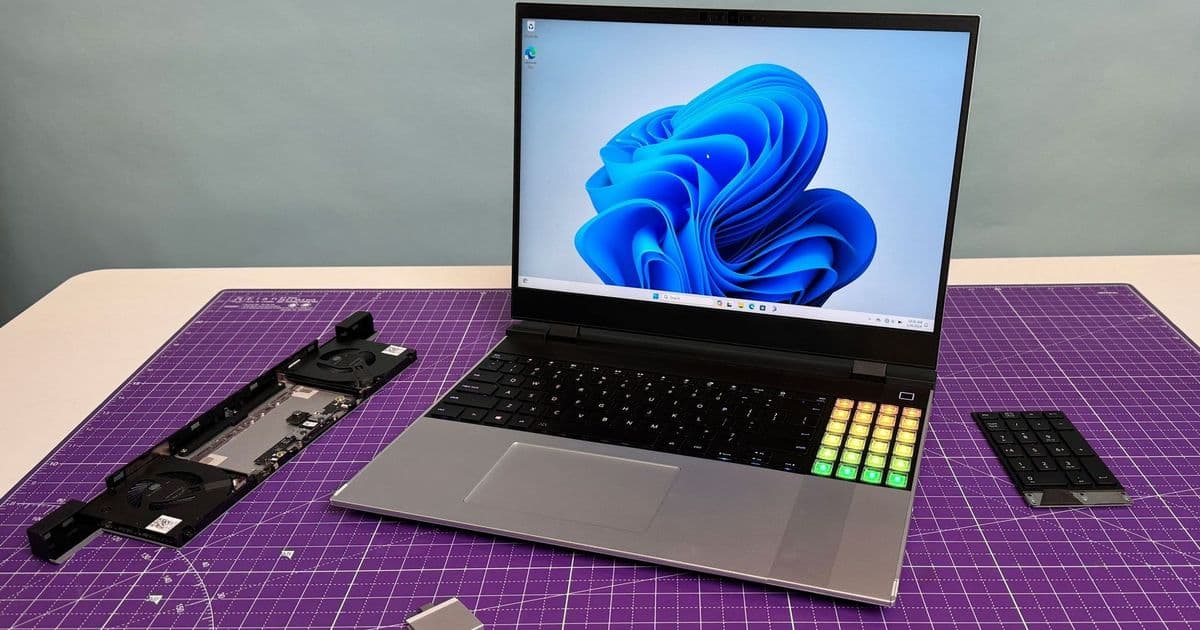
Framework's latest update reveals DDR5 memory pricing has reached $12-16 per GB, forcing the company to recommend DIY Edition customers purchase RAM elsewhere as the memory shortage continues to impact the PC industry.
The PC industry's memory crisis has reached a new inflection point, with Framework's latest monthly update revealing that DDR5 memory pricing now ranges from $12 to $16 per GB. The company, known for its modular laptop designs, is being forced to recommend that DIY Edition customers purchase RAM from other retailers rather than through its own channels.
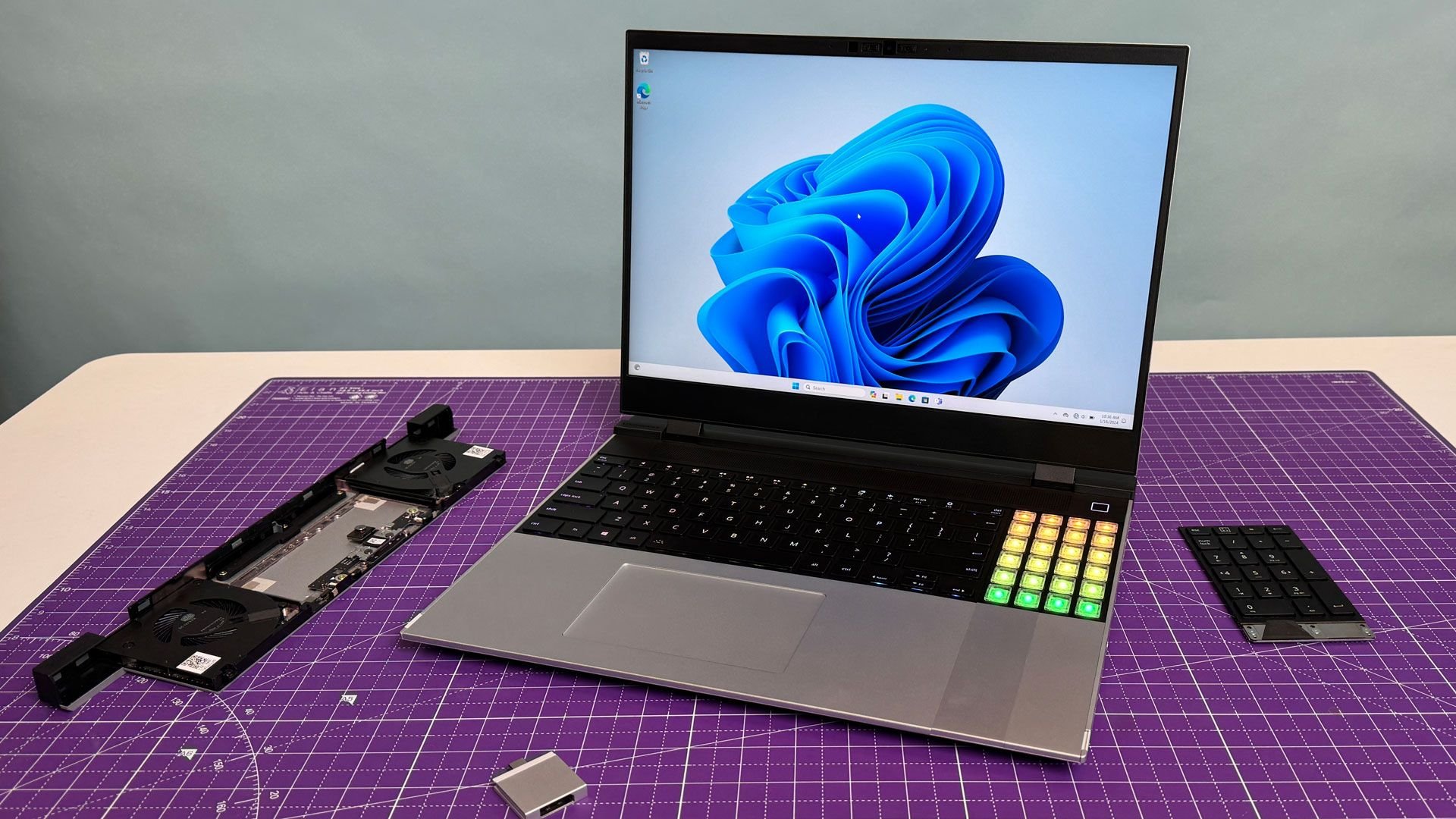
According to Framework's blog post, the company is selling its memory kits "for as close as we can to the weighted average cost of our purchases from suppliers." This pricing strategy means that some RAM sticks will be more affordable than what's available on the market, while others would be a bit more expensive. For cases where Framework's pricing exceeds market rates, the niche laptop manufacturer is explicitly telling Framework Laptop DIY Edition buyers to pick up RAM from alternative sources.
The memory and storage chip shortage that began in the last quarter of 2025 has created a cascading effect across the PC industry. Framework's response has evolved from defensive measures to transparent communication about an increasingly difficult situation. The company initially stopped selling standalone RAM in late November to prevent scalpers from hoarding these chips, then announced price increases in response to market conditions.
By mid-January, the pressure had already affected Framework's desktop offerings, with the Framework Desktop's price increasing by at least $40 due to increased LPDDR5x costs. The company's transparent approach includes providing monthly updates and even linking to PCPartPicker to help customers find better deals on memory components.
Framework's situation reflects broader industry challenges that extend beyond just one manufacturer. The company has been vocal about criticizing larger competitors like Dell and Apple for their egregious RAM prices, promising not to gouge customers despite the crisis. However, the reality of supply chain economics has forced even this principled approach to adapt to market realities.
The pricing structure Framework is experiencing mirrors broader DRAM market trends. Industry analysts have noted that high-bandwidth memory (HBM) demand from AI data centers is consuming an increasing share of global memory production capacity. This shift in manufacturing priorities has created supply constraints for traditional DDR5 memory used in consumer PCs.

Framework's transparent communication about these challenges provides valuable insight into the PC industry's current state. While the company acknowledges it's trying to fix problems across the PC industry, it admits its hands are tied when it comes to memory and storage pricing. The only thing Framework can currently offer is "provide transparency around what is actually occurring."
The implications extend beyond just Framework customers. The company's monthly updates serve as a barometer for the broader memory market, showing how supply constraints and increased demand from AI applications are affecting consumer hardware pricing. For PC builders and enthusiasts, this means continued price volatility and the need to shop around for the best deals on components.

The situation highlights the interconnected nature of the semiconductor supply chain, where demand from high-margin AI applications can ripple through to affect consumer hardware pricing. As Framework continues to provide monthly updates, the industry will be watching to see if these price pressures ease or if they represent a new normal for PC component pricing.
For now, Framework's recommendation to purchase RAM elsewhere represents a pragmatic response to market conditions, even as it underscores the challenges facing smaller manufacturers in an increasingly constrained supply environment. The company's commitment to transparency, while not solving the underlying pricing issues, at least provides customers with clear information about what they're facing in the current market.
Comments
Please log in or register to join the discussion