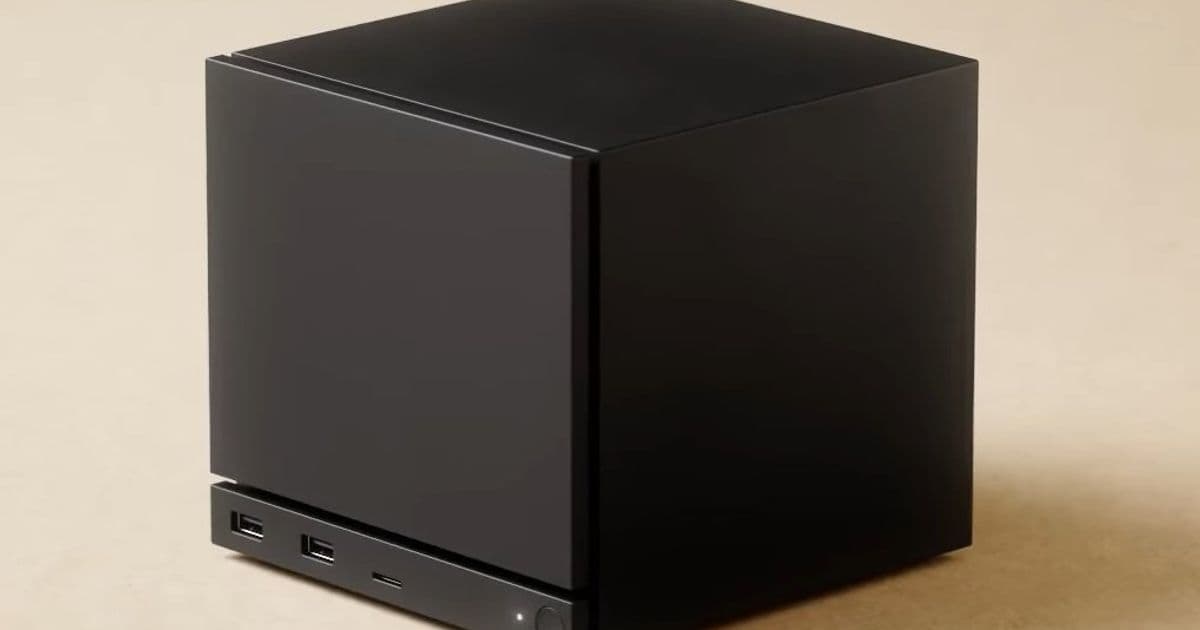
Valve postpones Steam Machine release and raises prices due to industry-wide memory and storage shortages, now targeting Q2 2026 shipment.
Valve has announced a delay in the launch of its highly anticipated Steam Machine, citing industry-wide shortages and price volatility in RAM and storage components. Originally slated for a Q1 2026 release, the compact gaming PC will now ship in the second quarter of 2026, with pricing adjustments expected to reflect the increased costs of critical hardware components.
Industry-Wide Component Shortages Force Valve's Hand
The gaming hardware market has been grappling with significant supply chain disruptions over the past year, particularly affecting memory and storage technologies. These shortages have created a ripple effect across the entire PC gaming ecosystem, forcing manufacturers to reevaluate their production schedules and pricing strategies.
Valve's decision to delay the Steam Machine launch demonstrates the company's commitment to delivering a product that meets its quality standards while remaining competitive in the gaming market. The company had initially planned to announce specific pricing and launch dates following the November 2025 reveal, but the rapidly evolving market conditions made it impossible to provide concrete details.
What We Know About the Steam Machine Hardware
The Steam Machine represents Valve's ambitious entry into the desktop gaming space, featuring impressive specifications that position it as a premium gaming PC:
- Custom AMD Processor: 30W 6-core, 12-thread Zen 4 CPU with boost frequencies up to 4.8 GHz
- Semi-Custom GPU: 110W RDNA 3 graphics with 28 compute units, boost up to 2.45 GHz, and 8GB GDDR6 VRAM
- Memory: 16GB DDR5 SODIMMs (user upgradeable)
- Storage: 512GB or 2TB M.2 2230/2280 SSD options (user upgradeable)
- Connectivity: DisplayPort 1.4, HDMI 2.0, multiple USB ports, Gigabit Ethernet, WiFi 6E, Bluetooth 5.3
- Aesthetics: 17 RGB LED lights and customizable removable front face plate
The system is designed to deliver 4K 60 FPS gaming performance for most Steam titles using FidelityFX Super Resolution (FSR), though some games may require lower internal resolutions with Variable Refresh Rate (VRR) for optimal performance.
Pricing Implications and Market Positioning
While Valve has not disclosed specific pricing, the company has consistently positioned the Steam Machine as a premium gaming PC rather than a direct console competitor. The original expectation was that the Steam Machine would be priced competitively with gaming PCs featuring similar hardware specifications.
However, the recent surge in RAM prices and SSD costs will likely push the final price higher than initially anticipated. Industry analysts suggest that DDR5 memory prices have increased by approximately 20-30% over the past six months, while high-performance SSDs have seen similar price hikes due to component shortages.
Valve's bulk purchasing power may provide some pricing advantages, but the company will still need to pass along a significant portion of the increased costs to consumers. This pricing pressure could impact the Steam Machine's competitiveness against established gaming consoles like the PlayStation 5 and Xbox Series X, which benefit from economies of scale and different component strategies.
Strategic Implications for Valve's Gaming Ecosystem
The Steam Machine delay and price adjustments come at a critical time for Valve's gaming hardware strategy. The company has been building momentum with the Steam Deck, which has successfully demonstrated the viability of PC gaming in a console-like form factor. The Steam Machine represents the next logical step in Valve's hardware ambitions, targeting the traditional desktop gaming market.
This delay provides Valve with additional time to refine the Steam Machine's software ecosystem and ensure compatibility with the vast library of Steam games. The company can also use this period to optimize performance and potentially explore alternative component configurations that might help mitigate some of the pricing pressures.
Potential Configuration Strategies
Industry observers have suggested that Valve might consider offering multiple configuration options to address the pricing challenges:
- Base Configuration: A more affordable entry-level model with reduced storage or memory that users can upgrade themselves
- Premium Configuration: A fully-loaded version with maximum storage and memory for enthusiasts willing to pay a premium
- DIY Kit: A barebones system that includes only the core components, allowing users to add their own memory and storage
These strategies could help Valve maintain a competitive price point while accommodating different user needs and budgets. The Steam Machine's user-upgradeable design makes such configuration options particularly viable.
Looking Ahead: Q2 2026 and Beyond
The revised Q2 2026 launch window provides Valve with several months to navigate the volatile component market and potentially secure more favorable pricing through strategic partnerships and bulk purchasing agreements. This additional time also allows the company to refine the Steam Machine's software experience and ensure a smooth launch.
Valve's decision to delay rather than rush the product to market demonstrates a mature approach to hardware development. The company appears willing to prioritize product quality and market positioning over meeting arbitrary deadlines, which could ultimately benefit both Valve and consumers in the long run.
As the gaming hardware market continues to evolve, the Steam Machine's success will depend not only on its technical specifications but also on Valve's ability to deliver a compelling value proposition in a highly competitive market. The delay provides an opportunity to strengthen this value proposition and ensure the Steam Machine can effectively compete with both traditional gaming PCs and dedicated gaming consoles.
The gaming community will be watching closely as Valve navigates these challenges and prepares for the Steam Machine's eventual launch. With the additional development time and the company's track record of innovation, the Steam Machine could still emerge as a significant player in the gaming hardware landscape, despite the current market headwinds.
Comments
Please log in or register to join the discussion