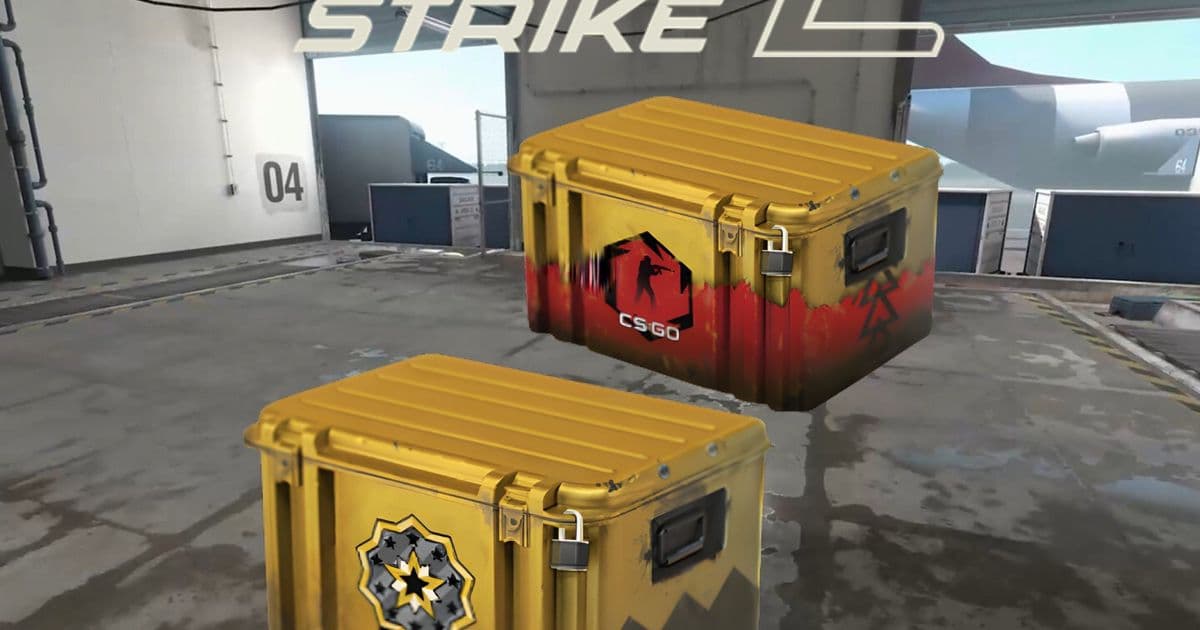
New York Attorney General sues Valve over loot boxes in Counter-Strike 2 and Dota 2, claiming they promote gambling addiction among minors.
The debate over loot boxes and their classification as gambling continues to intensify as New York Attorney General Letitia James has filed a lawsuit against Valve Corporation, accusing the company of promoting gambling through in-game purchases in popular Steam titles like Counter-Strike 2 and Dota 2.
What's New in the Valve Lawsuit
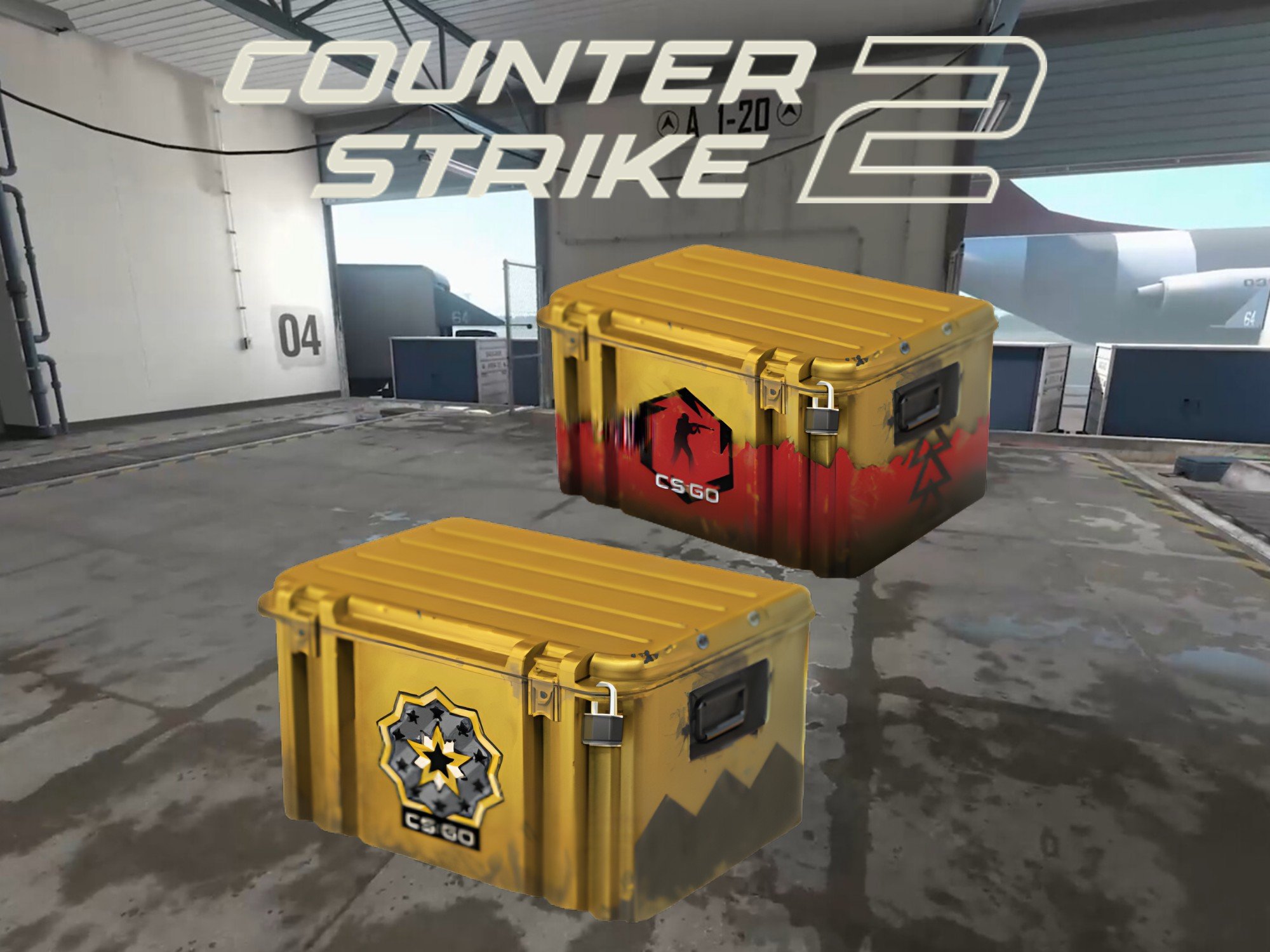
The legal action centers on Valve's implementation of loot boxes in its free-to-play titles, particularly Counter-Strike 2. Players can purchase virtual "cases" that contain random cosmetic items, with the actual contents only revealed after buying a separate key to unlock them. Attorney General James argues this system violates several New York state laws by exploiting psychological vulnerabilities, especially among younger players.
The lawsuit highlights how the low probability of obtaining rare, desirable items creates a cycle of repeated purchases. James contends that this design intentionally frustrates players, leading them to spend increasingly large amounts of money in pursuit of specific cosmetics. The complaint specifically mentions concerns about minors using their parents' payment methods without consent to fuel these purchases.
How This Compares to Previous Cases
Valve isn't the first gaming company to face legal scrutiny over loot boxes. The industry has seen a pattern of increasing regulatory attention:
- Epic Games settlements (2021-2023): The Fortnite and Rocket League developer paid substantial settlements after facing similar accusations about predatory monetization practices
- International precedents: Several countries including Belgium and the Netherlands have already classified certain loot box implementations as gambling
- Industry responses: Many publishers have begun disclosing odds for loot box contents, though enforcement and standardization remain inconsistent
Unlike some previous cases where companies avoided penalties, the Epic Games settlements demonstrate that regulators are willing to impose significant financial consequences. If New York prevails against Valve, the company could face both restitution payments to affected players and substantial fines.
The Technical Mechanics of Steam's Loot System
Valve's approach differs from some competitors in key ways. While Dota 2 loot boxes at least disclose their contents and odds more transparently, Counter-Strike 2's system keeps the actual item hidden until after purchase. This uncertainty is central to the gambling argument.
Players can purchase cases directly through Steam's marketplace, then must buy separate keys (typically $2.50 each) to open them. The items range from common weapon skins to extremely rare collectibles that can sell for thousands of dollars on third-party marketplaces. This resale market adds another layer of complexity to the gambling debate, as items do have real-world value outside the game.
Who This Affects and Why It Matters
This lawsuit has implications for:
Players and Parents: Those with children who play Steam games may see changes in how in-game purchases are implemented and marketed. The case could lead to stricter age verification and spending limits.
Game Developers: Other publishers using similar monetization models will be watching closely. A ruling against Valve could force industry-wide changes to loot box implementations.
The Gaming Industry: The outcome could set precedents for how digital items with real-world value are regulated, potentially affecting the entire ecosystem of in-game economies.
The Broader Gambling Debate in Gaming
The core of the legal argument hinges on whether loot boxes constitute gambling. Valve and other publishers maintain that players always receive something of value, distinguishing loot boxes from traditional gambling where nothing is guaranteed. However, critics argue that the random nature and the psychological mechanisms employed mirror those found in slot machines and other gambling devices.
The presence of third-party marketplaces where rare items can be bought and sold for real money complicates the "no real-world value" defense. When a virtual item can be sold for hundreds or thousands of dollars, the line between gaming and gambling becomes increasingly blurred.
What Happens Next
The lawsuit is in its early stages, and Valve has yet to file a formal response. The case could take months or years to resolve, potentially involving appeals regardless of the initial outcome. In the meantime, players can expect continued scrutiny of loot box mechanics across the gaming industry.
For those concerned about in-game spending, several Steam features can help manage purchases:
- Family View settings to restrict access to the store
- Steam Guard for purchase confirmations
- Regular monitoring of account activity
The outcome of this case could fundamentally reshape how games monetize through random reward systems, potentially marking a turning point in the long-running debate over loot boxes and gambling in video games.
Comments
Please log in or register to join the discussion