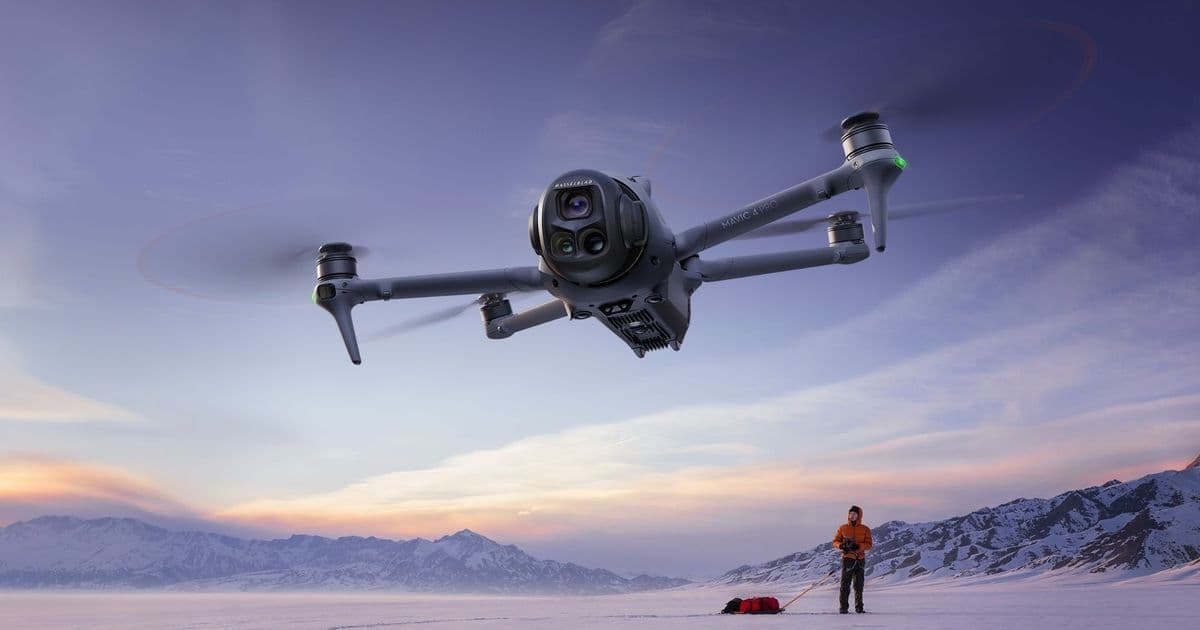
Chinese drone giant DJI sues the FCC over its placement on the 'covered list,' arguing the regulatory ban on new foreign-made drones lacks due process and threatens American access to critical drone technology.
Chinese drone manufacturer DJI has filed a lawsuit against the Federal Communications Commission (FCC) in the U.S. Court of Appeals for the Ninth Circuit, challenging its placement on the agency's "covered list" that effectively bans the import and sale of new DJI drone models in the United States.
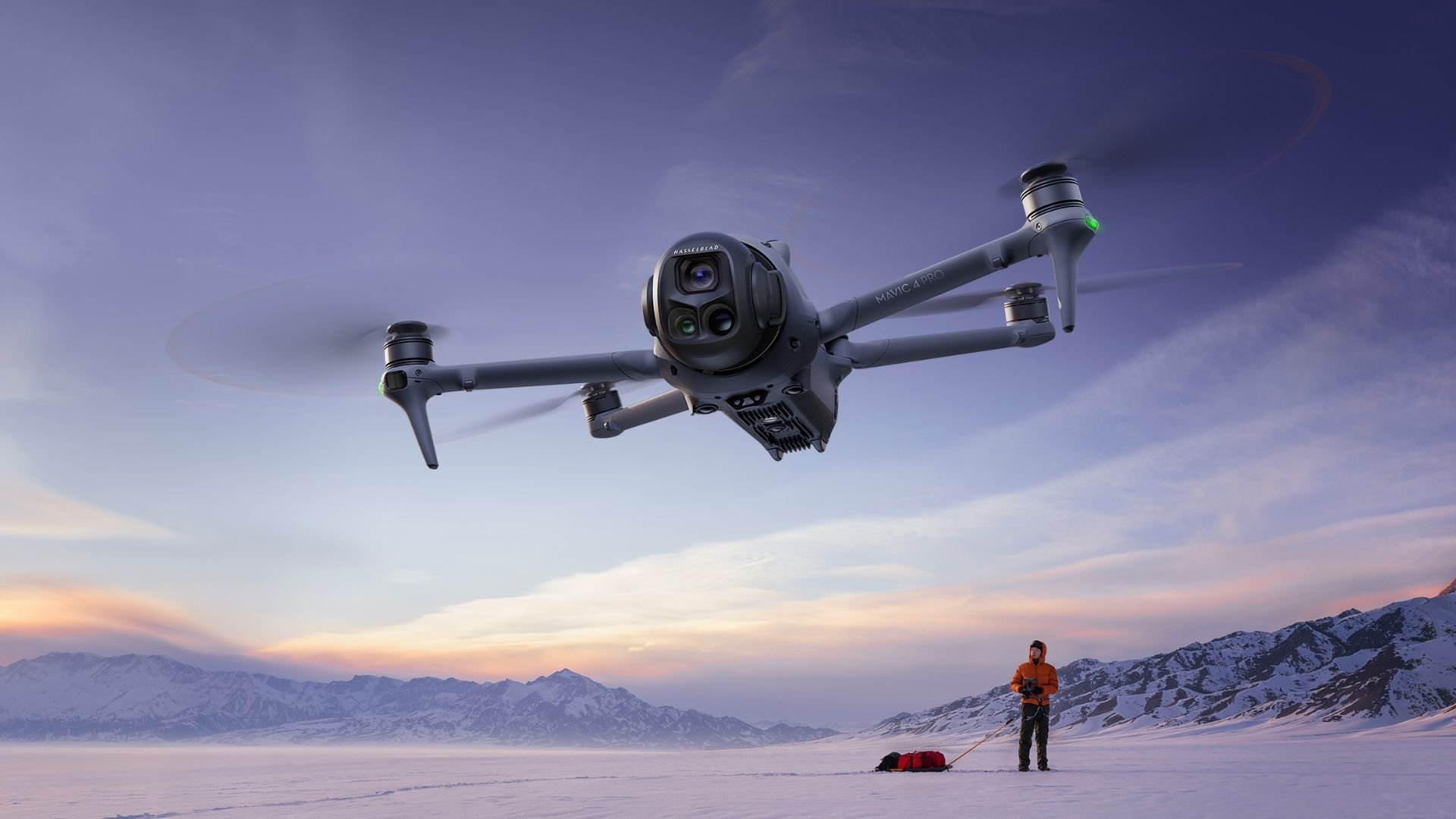
The legal action comes after the FCC's decision last year to prohibit new foreign-made drones and their components from receiving regulatory approval for sale in America. Under this ruling, DJI can continue selling existing inventory but cannot introduce new models or receive authorization for newer units.
Technical and Market Implications
The ban has significant implications for the U.S. drone market, where DJI controls a substantial share of consumer and commercial drone sales. The company's legal petition argues that the FCC's decision contains "serious procedural flaws and substantial defects," claiming the agency "never identified any threat associated with DJI or its products."
From a technical standpoint, the restriction creates a unique challenge for drone manufacturers. While DJI can still import drones physically, the FCC's refusal to issue authorization for sale effectively creates an import ban. This is because newly-launched models cannot be registered or legally operated in the United States without FCC approval.
Regulatory Context and Previous Actions
The FCC's decision is part of a broader pattern of U.S. government scrutiny of Chinese technology companies. The Department of Defense previously labeled DJI as a "Chinese Military Company," and courts ruled in favor of the DoD when DJI appealed that designation.
In 2024, DJI narrowly avoided a Congressional ban when the Senate excluded the "Countering CCP Drones Act" from the National Defense Authorization Act (NDAA). However, the company was given one year to undergo formal review by a relevant state agency, which never occurred, automatically placing DJI on the Covered List.
Industry Impact and Response
DJI has repeatedly attempted to engage with U.S. authorities, according to statements to photography blog PetaPixel. The company claims it has "never been given the chance to provide information to address or refute any concerns" raised by regulators.
The drone maker argues that the ban denies American users—including safety officers, farmers, and content creators—access to the latest drone technology. This is particularly relevant for applications requiring advanced features, such as precision agriculture, infrastructure inspection, and emergency response operations.
Technical Specifications and Security Concerns
While the FCC has not publicly detailed specific technical concerns about DJI products, the agency's actions suggest worries about data security and potential foreign surveillance capabilities. Modern drones contain sophisticated components including:
- High-resolution cameras and sensors
- GPS and navigation systems
- Communication modules for control and data transmission
- Onboard processors and storage
- Battery management systems
These components could theoretically be used to collect sensitive information, though DJI maintains that its products undergo independent security audits and that no evidence of malicious activity has been found.
Market Alternatives and Supply Chain Effects
The ban creates opportunities for alternative drone manufacturers, particularly U.S.-based companies like Skydio and Autel Robotics. However, these competitors may struggle to match DJI's price-to-performance ratio and established ecosystem of accessories and software.
Supply chain experts note that the restriction could lead to increased costs for American businesses and government agencies that rely on drone technology. The inability to purchase newer, more capable models may force organizations to maintain aging equipment or seek expensive alternatives.
Legal Precedent and Future Outlook
DJI's lawsuit represents a significant challenge to the FCC's authority to restrict technology imports based on national security concerns without providing specific evidence or allowing companies to respond to allegations.
The outcome of this case could establish important precedents for how U.S. regulators handle foreign technology companies and what level of due process is required before implementing such restrictions.
Industry analysts suggest that even if DJI succeeds in court, the company may face continued pressure from other government agencies and potential legislative action. The drone industry's future in the U.S. market likely depends on finding a balance between security concerns and maintaining access to advanced technology.
Technical Community Response
The technical community has expressed mixed reactions to the ban. Some security researchers support increased scrutiny of foreign technology, while others argue that the restrictions are overly broad and lack specific technical justification.
Drone enthusiasts and professionals have noted that many DJI models offer unique capabilities not available from other manufacturers, particularly in areas like:
- Advanced obstacle avoidance systems
- Long battery life and range
- High-quality camera stabilization
- Sophisticated flight planning software
- Integration with third-party applications
Current Status and Next Steps
The Department of Commerce recently lifted its planned crackdown on Chinese drones, allowing physical imports to continue. However, without FCC authorization, these imports serve limited commercial purpose since new models cannot be legally sold or operated.
DJI's legal challenge is now proceeding through the federal court system, with the company arguing for independent, objective review of its products. The drone maker has stated it welcomes audits of its business practices and security measures.
As the case develops, the drone industry and its users await clarity on whether they will have continued access to DJI's latest technology or must transition to alternative solutions that may not offer the same capabilities or value proposition.
The outcome will likely influence not only the drone market but also broader policies regarding foreign technology companies operating in the United States.
Comments
Please log in or register to join the discussion