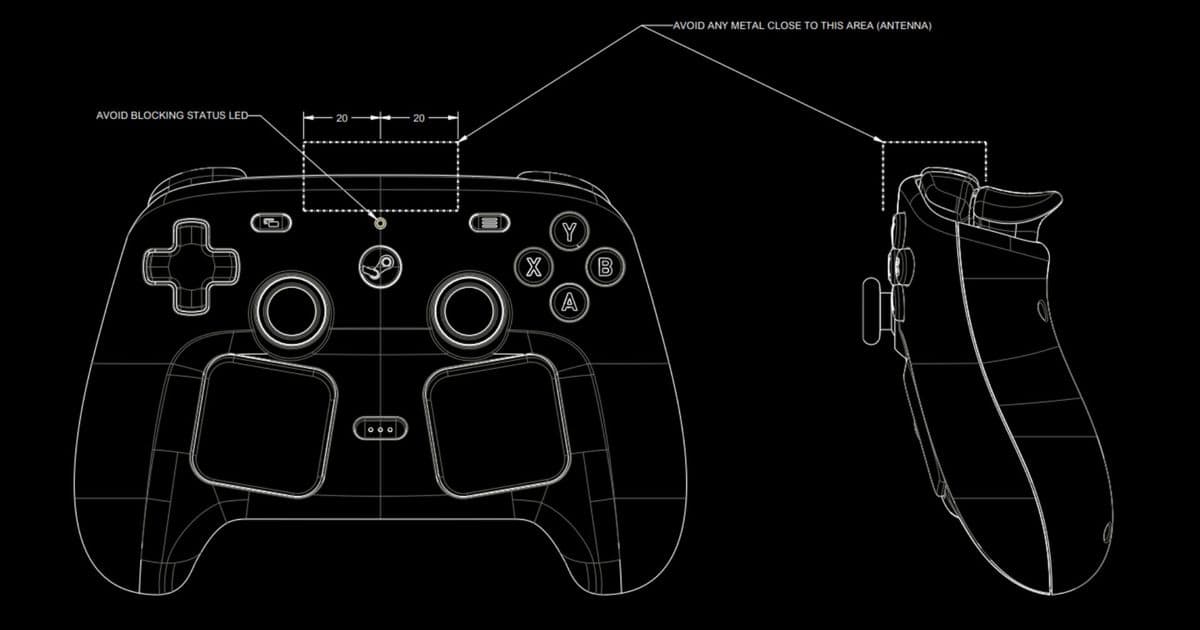
Valve releases official CAD files for Steam Controller and Puck under Creative Commons license, enabling community-driven hardware innovation and accessory development.
Valve has taken another significant step in democratizing hardware design by releasing the official CAD files for the Steam Controller and its accompanying Puck charging device. The files, available under a Creative Commons CC BY-NC-SA 4.0 International license on GitLab, represent a strategic move to foster community-driven innovation in gaming peripherals.
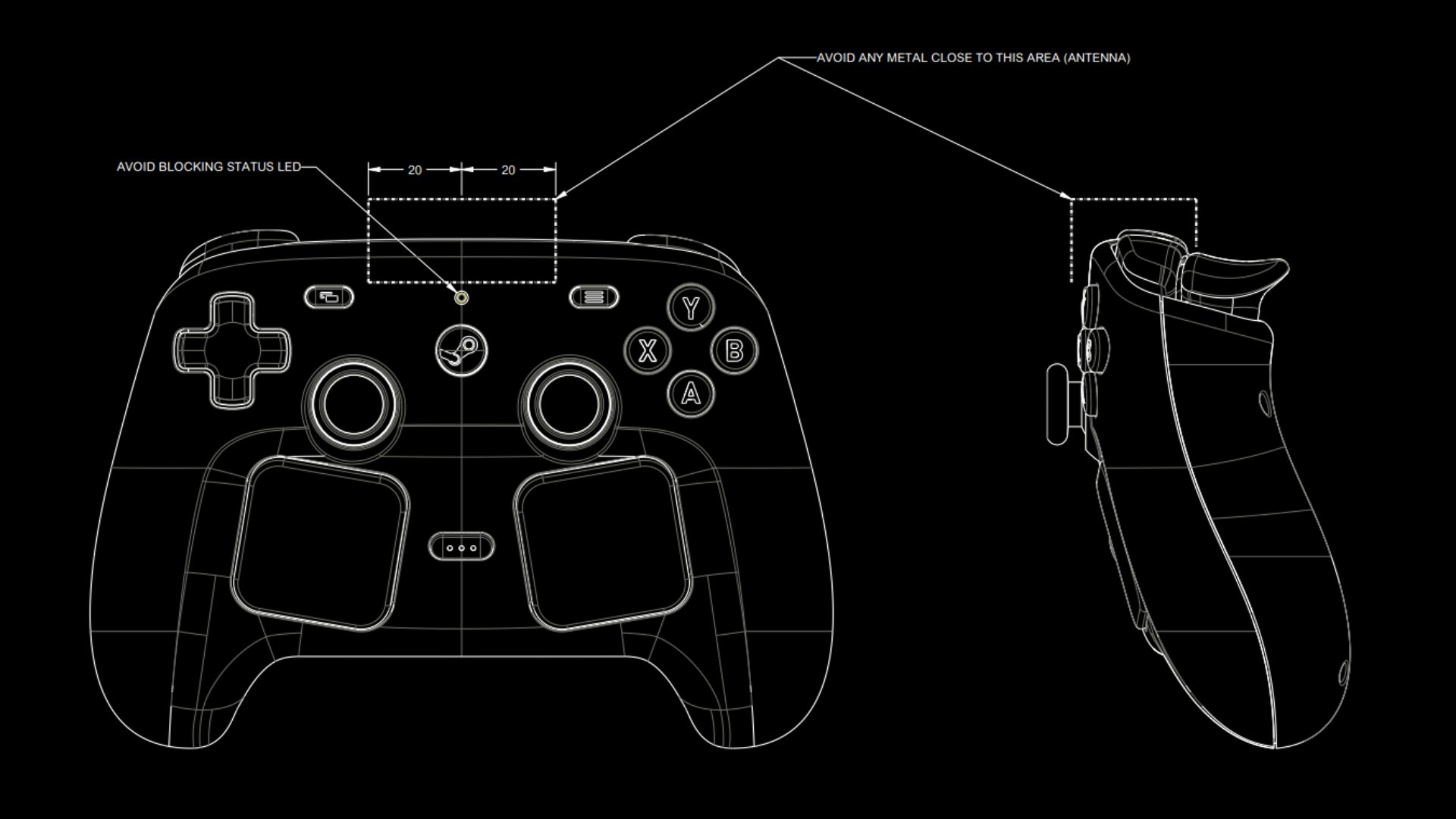
The release includes both STP and STL files with detailed reference documentation that explicitly marks off-limits areas where modifications could interfere with critical components such as the antenna and magnetic connectors. This attention to operational safety demonstrates Valve's commitment to enabling customization while maintaining device functionality.
"The Steam Controller was designed from the beginning to be endlessly customizable in its physical appearance," the Steam Community blog post explains. "By releasing these CAD files, we're empowering our community to create accessories that enhance the gaming experience in ways we haven't even imagined yet."
The Creative Commons license framework specifically permits non-commercial use, requiring that derivative works attribute the original creator, remain non-commercial, and share under the same licensing terms. For commercial applications, Valve has established a separate licensing pathway, creating a balanced approach that encourages community participation while protecting potential revenue streams.
This strategic release follows Valve's successful approach with the Steam Deck, whose CAD files were made available approximately two weeks before the device's February 2022 launch. The Steam Deck's files sparked a vibrant ecosystem of 3D-printed accessories, with Printables hosting hundreds of community-designed modifications ranging from improved grips to specialized docking solutions.
The timing of this release coincides with Valve's ongoing challenges in the hardware supply chain. The company has faced multiple delays for the Steam Machine, initially expected in early 2026 but pushed back due to what the article refers to as the "AI-driven memory chip crisis." This broader industry challenge has affected numerous hardware manufacturers, with memory manufacturers projected to earn $551 billion from the AI boom alone, creating significant supply constraints for consumer electronics.
From a market perspective, Valve's approach represents a significant departure from traditional hardware manufacturer strategies. By opening design files, the company effectively outsources accessory development to its user base, potentially reducing R&D costs while simultaneously creating a more engaged and invested community. This model mirrors successful open-source software strategies but applies them to physical hardware.
The potential applications for these CAD files extend beyond simple aesthetic modifications. Enthusiasts and small manufacturers could develop specialized accessibility controllers, enhanced ergonomic solutions, or device-specific mounting systems. The inclusion of detailed operational constraints suggests that Valve has carefully considered which modifications would compromise device functionality versus those that could safely enhance the user experience.
For developers and hobbyists interested in exploring these files, the GitLab repository provides a starting point for innovation. The files come with explicit documentation about component placement, antenna locations, and magnetic connector positions, ensuring that community modifications don't compromise the controller's core functionality.
Valve's continued commitment to open hardware design could reshape the gaming peripheral market. By lowering barriers to entry for accessory development, the company may stimulate a wave of innovation that traditional hardware manufacturers would be unlikely to pursue independently. This approach could particularly benefit niche markets and accessibility-focused modifications that don't justify commercial development by larger companies.
As the gaming hardware market continues to evolve with increasingly sophisticated controllers and input devices, Valve's strategy of community-driven design may represent a significant competitive advantage. The company appears to be building an ecosystem where hardware innovation occurs not just through internal R&D, but through the collective creativity of its user base.
Comments
Please log in or register to join the discussion