
Vice President JD Vance's diplomatic mission to Pakistan ahead of critical Iran nuclear negotiations signals a major escalation in U.S. diplomatic efforts, with stakes comparable to a championship game.
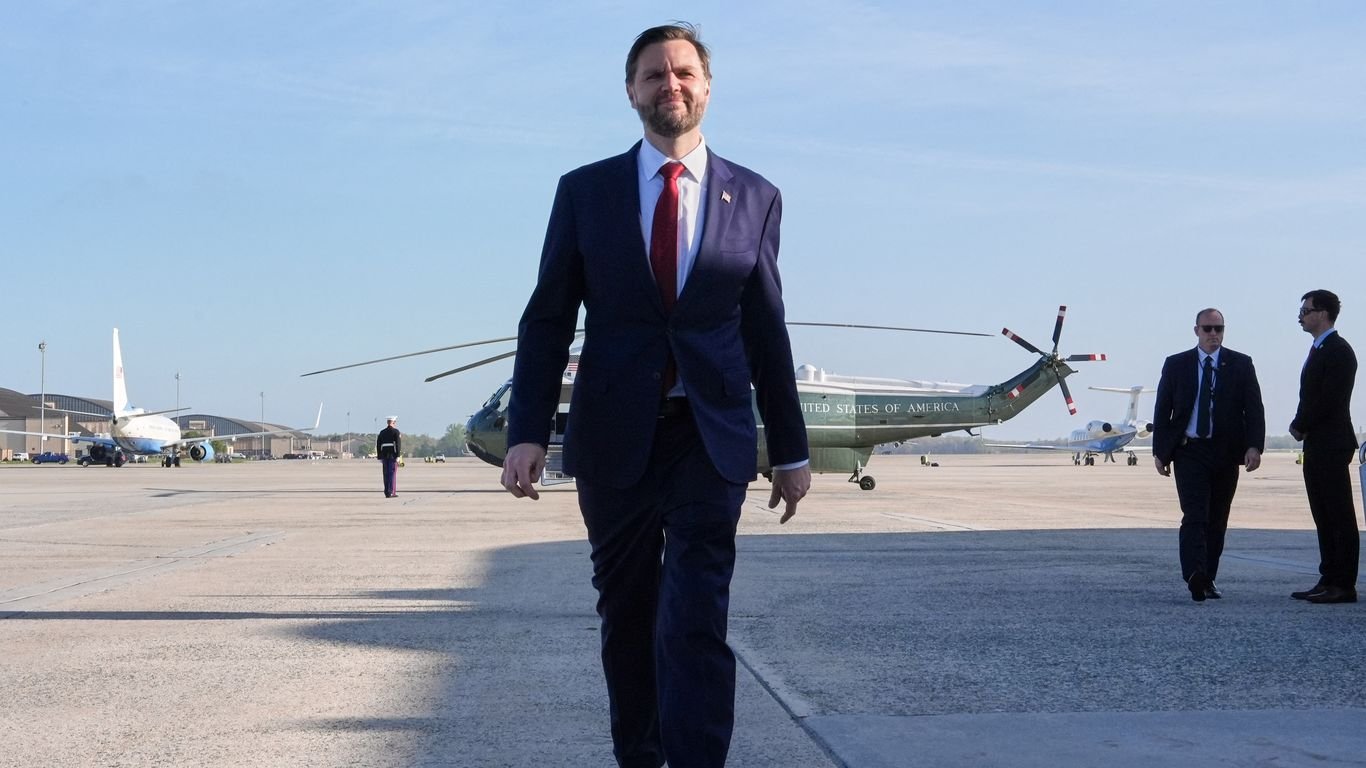
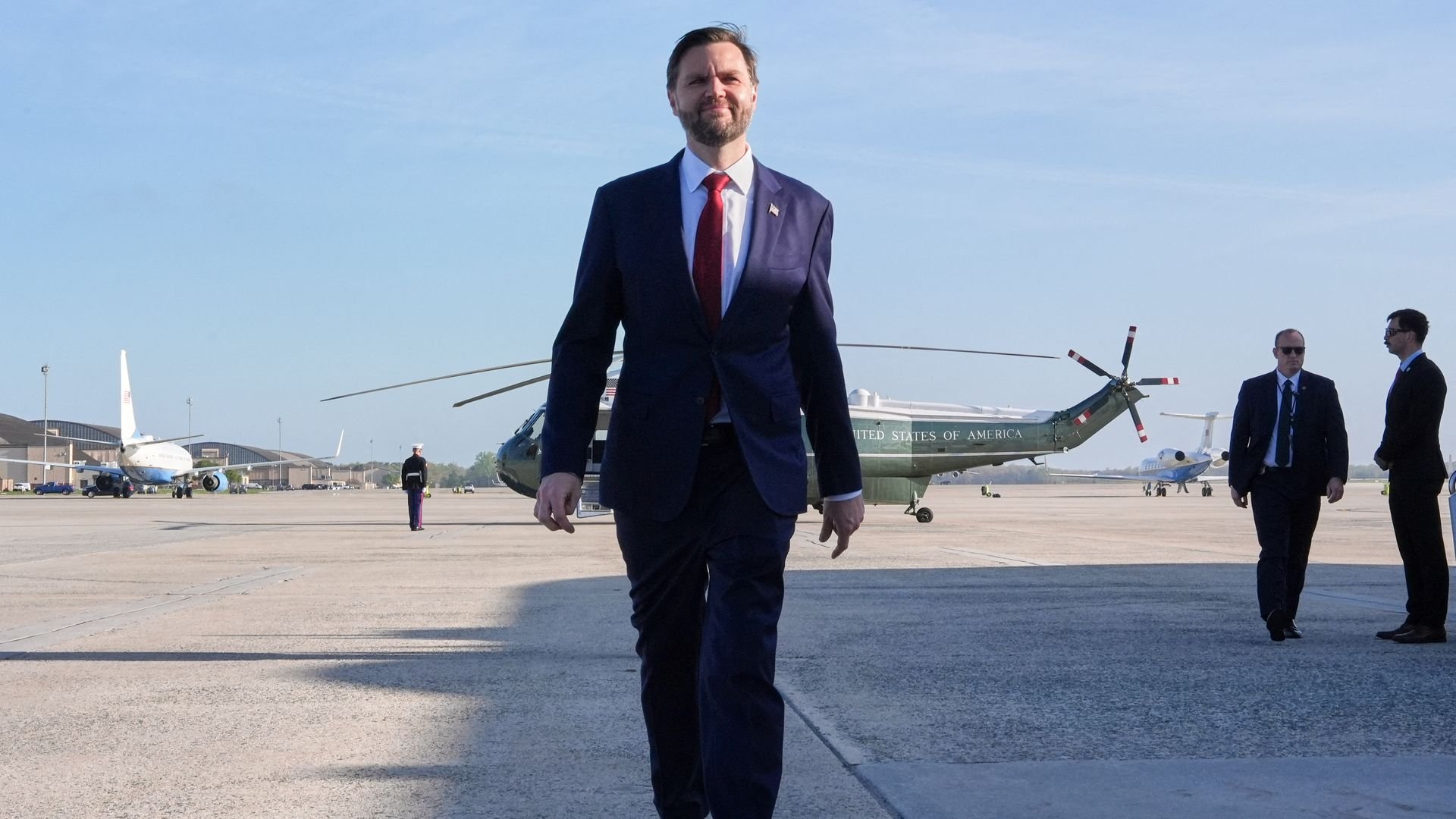
Vice President JD Vance departed for Pakistan Thursday, embarking on a high-stakes diplomatic mission that he likened to "going to the Super Bowl" as the United States prepares for critical negotiations with Iran over its nuclear program.
Speaking to reporters before his departure, Vance emphasized the gravity of the upcoming talks, which could determine whether Iran will curb its nuclear ambitions in exchange for sanctions relief. The vice president's trip to Islamabad comes at a pivotal moment, with tensions between Washington and Tehran reaching levels not seen since the Trump administration's maximum pressure campaign.
The Diplomatic Stakes
The comparison to the Super Bowl isn't hyperbole. These negotiations represent one of the most consequential diplomatic efforts of the Biden administration's second term. A successful agreement could stabilize the Middle East and prevent a potential military confrontation, while failure could accelerate Iran's nuclear program and trigger a regional arms race.
Sources familiar with the planning indicate that Vance's visit to Pakistan serves multiple purposes. Islamabad maintains relationships with both Washington and Tehran, positioning it as a potential mediator. Additionally, Pakistan's own nuclear program and its proximity to Iran make it a crucial player in any regional security arrangement.
Regional Context
The timing of Vance's trip is particularly significant given recent developments in the region. Iran has accelerated its uranium enrichment activities, bringing it closer to weapons-grade material than at any point since the 2015 nuclear deal. Meanwhile, Israel has grown increasingly vocal about its willingness to take military action if diplomatic efforts fail.
Pakistan's role is especially delicate. The country has historically maintained a careful balance between its relationships with Saudi Arabia and Iran, while also managing its complex ties with the United States. Any shift in this equilibrium could have ripple effects throughout the region.
Economic Implications
The potential economic impact of these negotiations extends far beyond the Middle East. Global oil markets remain sensitive to any developments regarding Iran's nuclear program, with prices fluctuating based on perceived progress or setbacks in talks. A comprehensive agreement could unlock billions in Iranian oil exports, while failure could trigger renewed sanctions and supply disruptions.
For American businesses, the outcome could affect everything from energy prices to supply chain stability. The semiconductor industry, already grappling with trade tensions with China, would face additional uncertainty if Iran were to retaliate against Western interests through cyber operations or proxy attacks.
What Success Looks Like
Diplomatic sources suggest that any potential agreement would likely include phased sanctions relief tied to verifiable steps by Iran to limit its nuclear program. This could include restrictions on uranium enrichment levels, increased inspections by the International Atomic Energy Agency, and limitations on advanced centrifuge development.
In return, Iran would expect significant economic concessions, including access to frozen assets, permission to sell oil on international markets, and potentially some form of guarantees against future U.S. withdrawal from any agreement.
The Path Forward
Vance's Super Bowl analogy extends beyond just the importance of the talks. Like a championship game, success will require careful preparation, strategic execution, and the ability to adapt to changing circumstances. The vice president's diplomatic experience, combined with his reputation as a skilled negotiator, makes him a logical choice for this critical mission.
The coming weeks will be crucial. If Vance can secure Pakistani support and potentially facilitate backchannel communications with Iran, it could create the conditions for meaningful progress when formal negotiations begin. However, deep-seated mistrust between the United States and Iran, combined with domestic political pressures in both countries, means that even the most skilled diplomacy faces significant obstacles.
As the world watches, the outcome of these talks could reshape the geopolitical landscape for years to come. Whether Vance's diplomatic "Super Bowl" ends in victory or defeat remains to be seen, but the stakes couldn't be higher for regional stability and global security.
Comments
Please log in or register to join the discussion