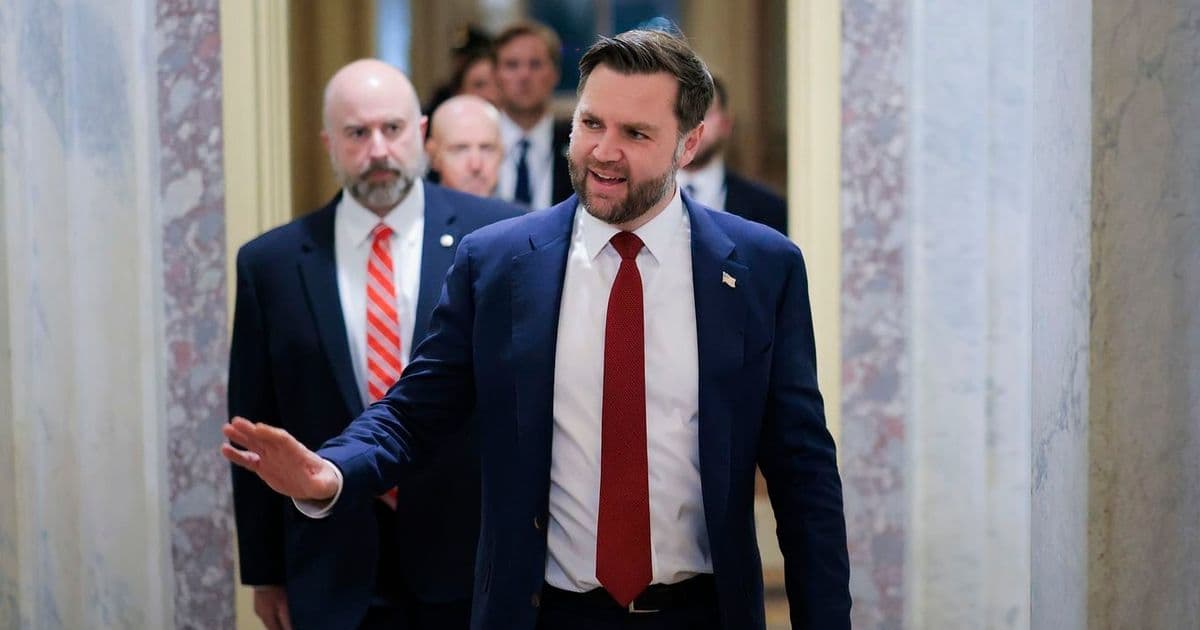
Vice President Vance's visit to Minnesota to demonstrate support for Immigration and Customs Enforcement comes amid ongoing congressional battles over agency funding, revealing how border security politics intersect with tech infrastructure investments and operational capabilities.
Vice President Vance's trip to Minnesota this week serves as more than a symbolic gesture—it's a calculated move in the broader political battle over Immigration and Customs Enforcement (ICE) funding and operations. The visit, framed as showing "unwavering support" for the agency, occurs as Congress grapples with budget allocations that directly impact ICE's technological capabilities and enforcement strategies.
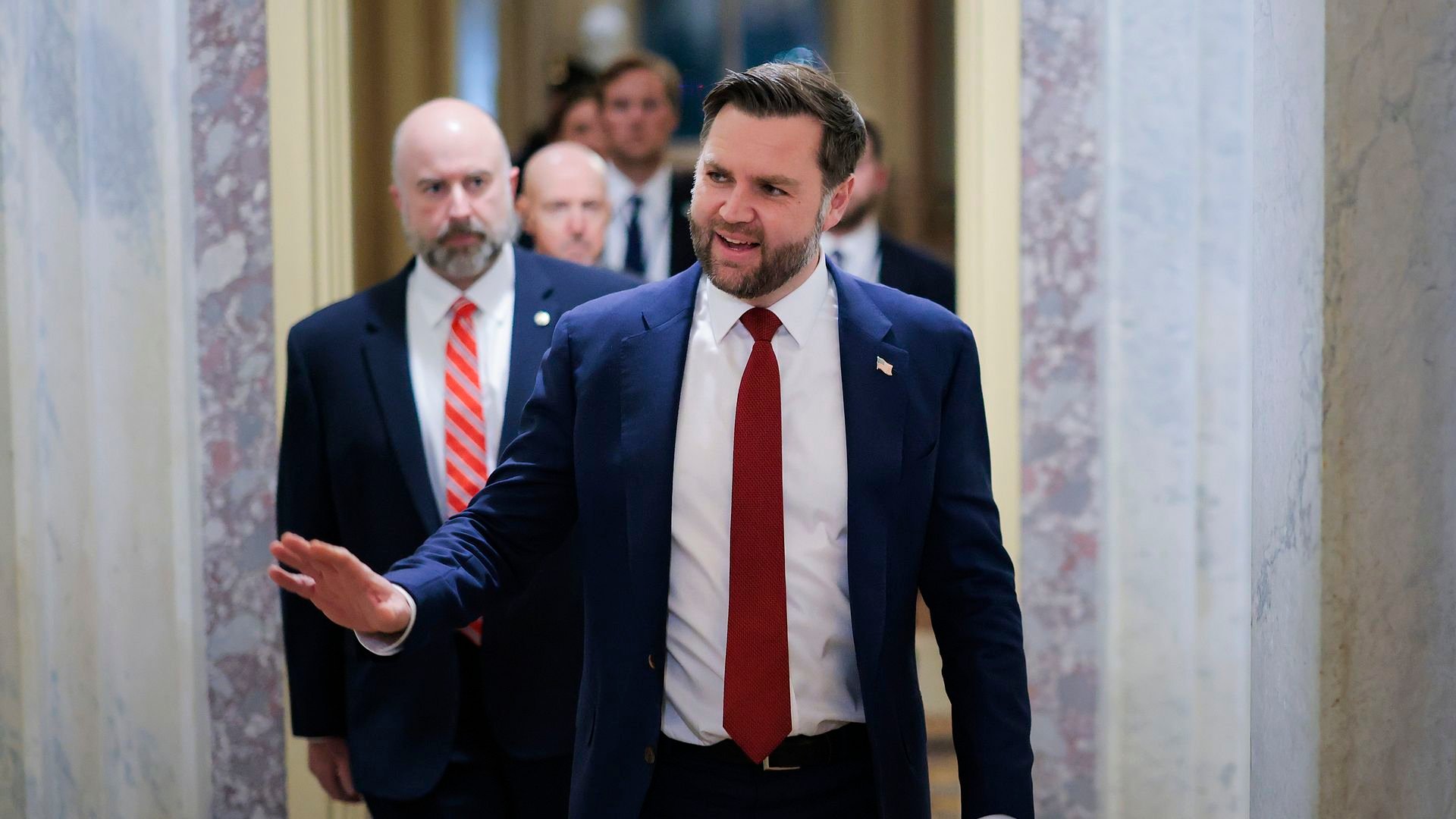
The political timing is significant. Vance's appearance follows recent Senate votes on Homeland Security appropriations, where ICE funding has become a flashpoint in broader immigration policy debates. Minnesota represents a strategic location for this message, given its status as a state with significant immigration enforcement activities and a political landscape where border security remains a salient issue.
From a budgetary perspective, ICE's operational capacity depends heavily on congressional appropriations. The agency's technology budget—covering everything from biometric systems to data analytics platforms—faces uncertainty as lawmakers debate spending levels. In fiscal year 2023, ICE's total budget approached $8 billion, with significant portions allocated to enforcement and removal operations. Any funding reductions could impact the agency's ability to maintain and upgrade its technological infrastructure.
The agency's technological investments have drawn both support and criticism. ICE has expanded its use of data analytics, facial recognition, and predictive policing tools to identify and apprehend individuals. These systems require substantial ongoing investment in software, hardware, and personnel training. Critics argue these technologies raise privacy concerns and may perpetuate bias, while supporters contend they're essential for effective enforcement in a digital age.
Minnesota itself has been at the center of ICE-related controversies. The state has seen protests against ICE operations, particularly regarding detention conditions and enforcement priorities. Vance's visit likely aims to counter these narratives by emphasizing the agency's role in what supporters describe as lawful enforcement of immigration laws.
The broader context involves the Department of Homeland Security's (DHS) overall budget, which encompasses multiple agencies beyond ICE. DHS technology modernization efforts, including cybersecurity upgrades and border surveillance systems, compete for the same pool of funding. This creates tension between different security priorities and operational needs.
Looking ahead, the political symbolism of Vance's visit may influence upcoming budget negotiations. Republican lawmakers have generally supported increased ICE funding, while many Democrats have pushed for restrictions on enforcement activities. The Vice President's public support could strengthen the hand of those advocating for robust ICE budgets in the next appropriations cycle.
For technology vendors and contractors working with ICE, the funding debates have direct business implications. Companies providing biometric systems, data management platforms, and surveillance technologies watch these political developments closely, as agency budgets determine contract opportunities and project timelines.
The Minnesota trip also reflects a broader pattern of using high-profile visits to shape public perception on security issues. Similar visits to border regions or law enforcement facilities have historically preceded budget requests or policy announcements. This approach allows administration officials to frame debates around specific locations and human stories rather than abstract budget numbers.
Ultimately, Vance's demonstration of support for ICE underscores how immigration enforcement has evolved into a complex intersection of policy, technology, and politics. The agency's effectiveness increasingly depends on its technological capabilities, which in turn depend on political will to fund those investments. As congressional debates continue, the tension between enforcement priorities, privacy concerns, and budget realities will shape ICE's operational future.
Comments
Please log in or register to join the discussion