
A non-technical writer tests Bolt's AI-driven 'vibe coding' by building a joke app, exposing critical flaws in security, code quality, and the myth of effortless development. Her experiment reveals why AI tools like this demand more oversight, not less, and highlights their true potential as learning aids rather than junior developer replacements.
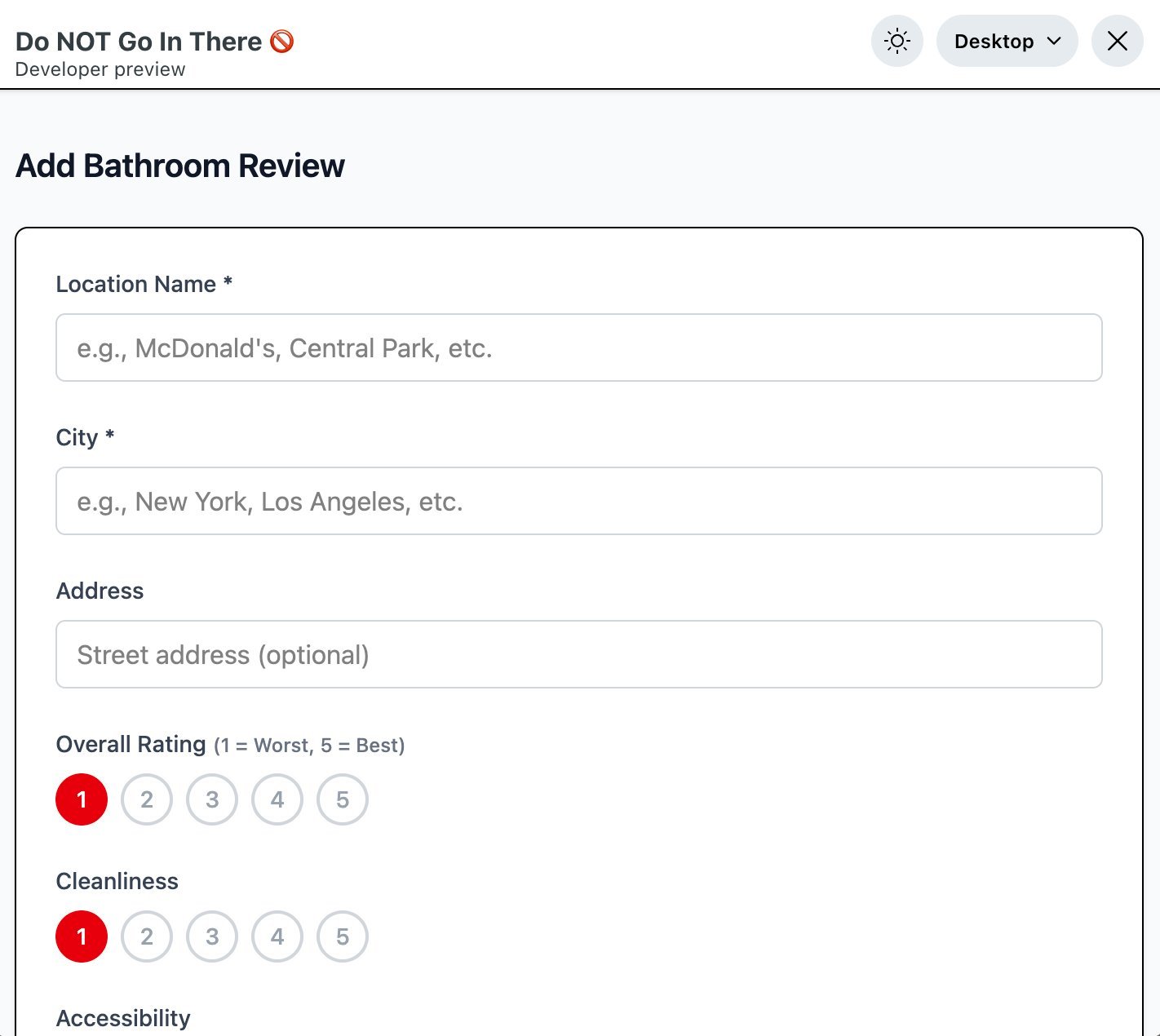
When I told my mom I was building a 'Yelp for bad bathrooms' app using AI, her baffled response—'What do you do for work again?'—perfectly captured the absurdity of vibe coding. As a writer with zero formal coding experience, I dove into Bolt's AI-powered platform during a Reddit hackathon, lured by promises that anyone could create functional software through natural language prompts. What emerged was 'Do Not Go In There,' a toilet-review app that worked—sort of—but unraveled under scrutiny, exposing the gulf between AI hype and the gritty realities of software development.

The Allure and Illusion of Effortless Creation
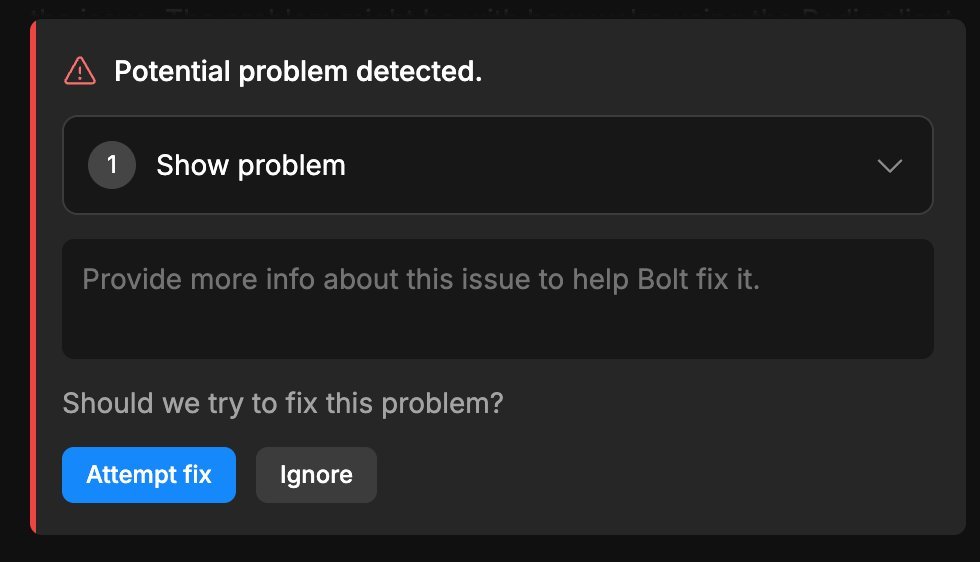
Vibe coding, born in early 2025, leverages large language models (LLMs) to generate code from simple prompts like 'Create an app like Yelp but for bad bathrooms.' Bolt's interface seduced me with its sleek live preview and intuitive controls. Within minutes, it auto-generated folders, UI components with toilet emojis, and a review system—no coding required. Yet, this facade of simplicity crumbled fast. Error messages about unavailable location services flooded my screen, rendering the app unusable. As I pasted these errors back into Bolt's chat, it 'fixed' issues like misconfigured API endpoints, but I was clueless about what any of it meant. This wasn't creation; it was a game of telephone with an AI that masked complexity without eliminating it.
When 'Working' Code Isn't Actually Good Code
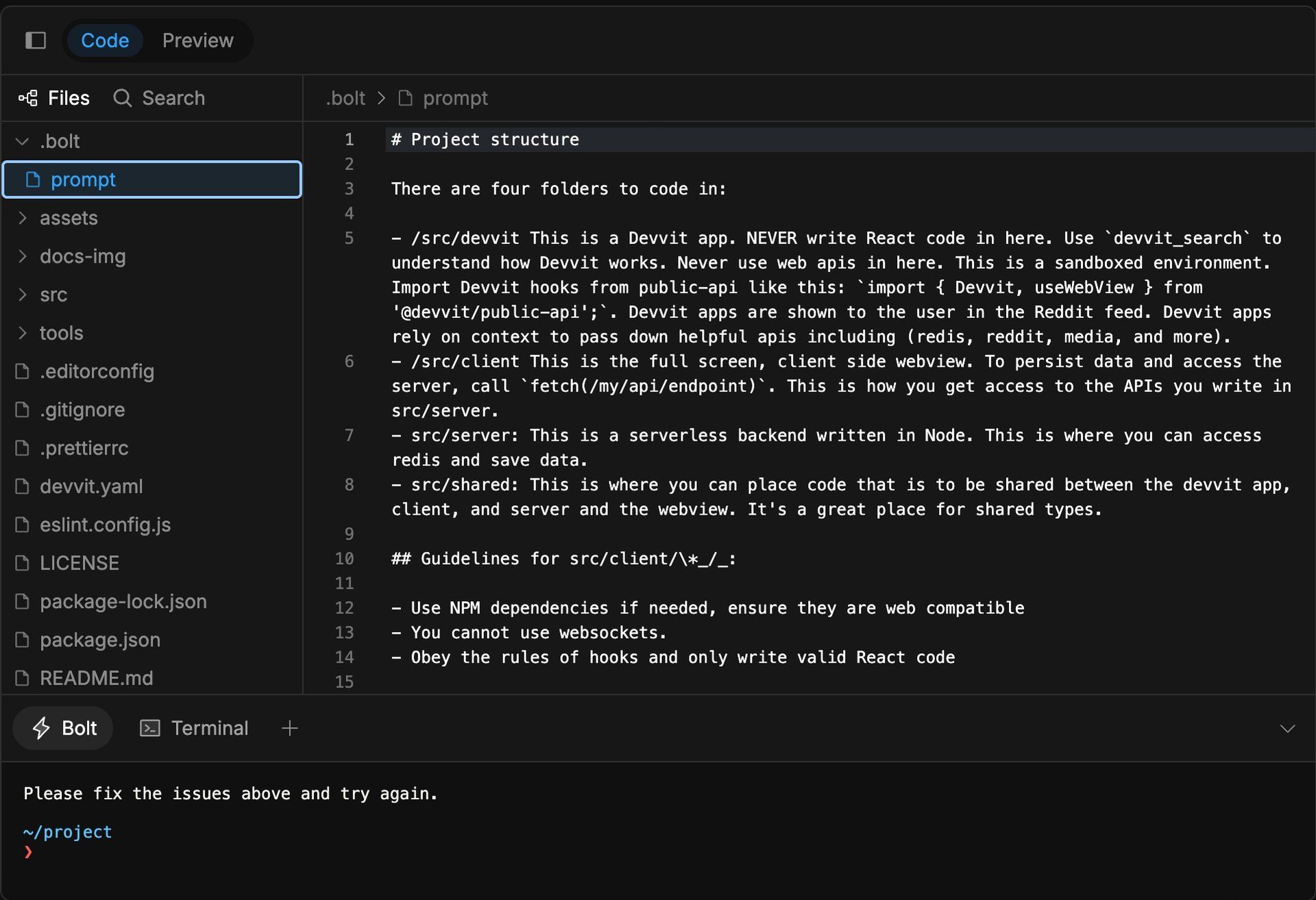
My app 'worked' after hours of AI-assisted troubleshooting, but sharing it with experts revealed deeper flaws. Ryan Donovan, a seasoned developer, immediately spotted security red flags: 'No protections against data breaches,' he noted, pointing out that user reviews were exposed via browser inspection tools. This wasn't just sloppy—it was a GDPR nightmare waiting to happen. When I solicited feedback from developer friends, their code reviews were brutal. One highlighted 'inline styling in TSX components' that made the UI unmaintainable, while another criticized the lack of unit tests and disorganized repository structure. Bolt had dumped everything into a ./project folder, creating what one friend called 'spaghetti code'—functional on the surface but a maintenance disaster.
The Productivity Tax and the Junior Developer Myth
Vibe coding's biggest sell is its potential to democratize development or even replace junior engineers. My experiment proved otherwise. Bolt generated code that required extensive human cleanup—a 'productivity tax' familiar to 66% of developers using AI tools, according to Stack Overflow's Developer Survey. If this app were a real product, a skilled developer would need hours to refactor it for security and scalability. Worse, without my network of tech-savvy friends, I'd have launched an insecure app, unaware of risks like data leaks. This isn't empowerment; it's a liability. As AI churns out superficially working apps, it could flood ecosystems with vulnerable software, especially when non-technical users skip crucial oversight.
The Real Promise: Vibe Coding as a Learning Springboard
Amid the chaos, a glimmer of hope emerged from an unexpected source: my friend, a theoretical physicist who pivoted to coding using LLMs like Copilot and Gemini. For him, these tools weren't replacements but tutors, accelerating his learning by explaining bugs and concepts on demand. 'Vibe coding helped me learn without a CS degree,' he said—a sentiment echoing in our survey data, where 82% of developers use AI for education. This reframes the technology not as a job-stealer but as a bridge for career-changers and curious minds. My own journey ended with a GitHub commit of my flawed app, inviting community feedback to turn this experiment into a coding lesson. After all, the true value of AI isn't in building apps for us, but in helping us build the skills to do it right.
Source: Based on the original article from Stack Overflow Blog, August 7, 2025: A New Worst Coder Has Entered the Chat: Vibe Coding Without Code Knowledge
Comments
Please log in or register to join the discussion