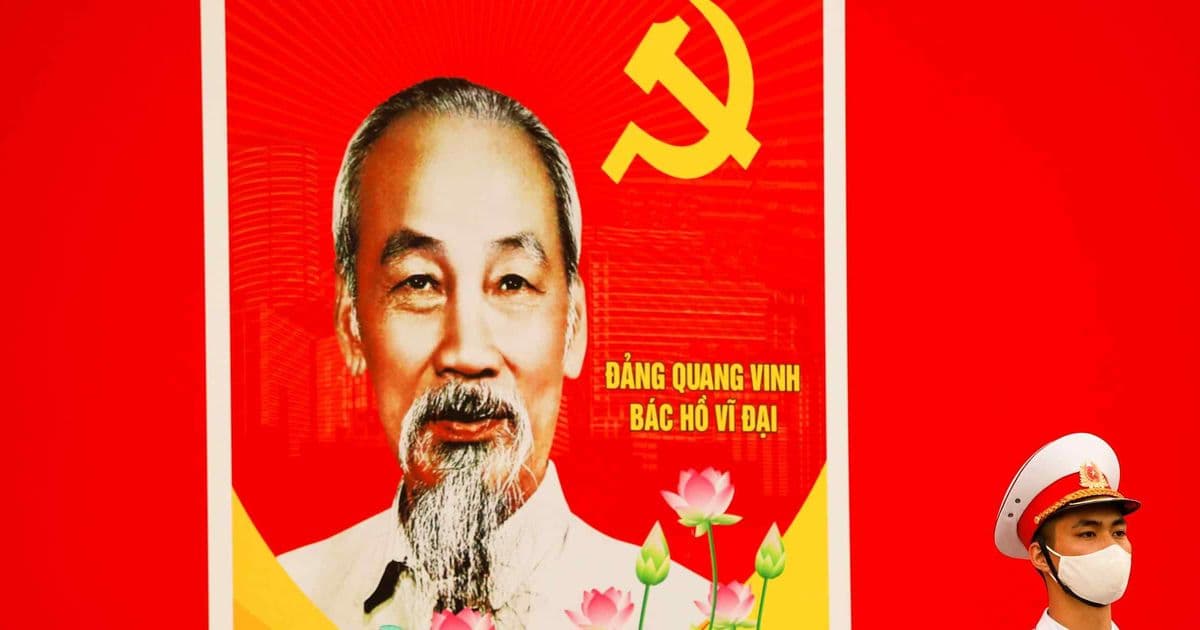
Vietnam's Communist Party congress appoints top leaders amid economic reforms, Japan restarts its largest nuclear plant post-Fukushima, and courts deliver verdict in Shinzo Abe assassination case.
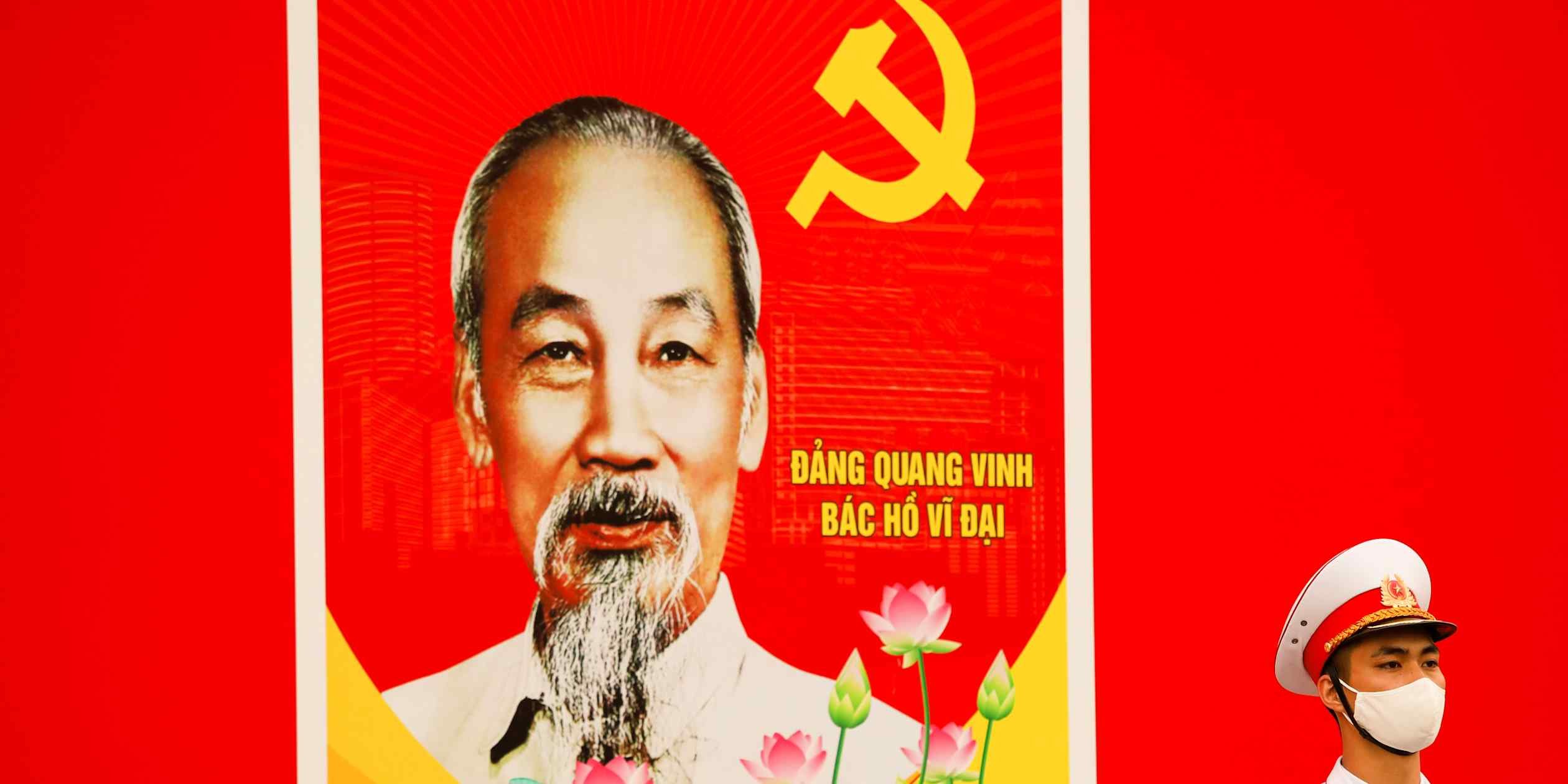
This week features three landmark events reshaping Asia's political and economic landscape. Vietnam's ruling Communist Party convenes to appoint leadership for the next five years, Japan restarts operations at the world's largest nuclear power plant nearly 15 years after Fukushima, and courts deliver a verdict in the assassination trial of former Prime Minister Shinzo Abe.
Vietnam's Leadership Transition Vietnam's Communist Party congress opens Monday to select the country's next general secretary and key officials. Current leader To Lam is expected to consolidate power, potentially extending his influence over Vietnam's economic direction. Investors remain cautious, delaying major decisions until the outcome becomes clear. The congress occurs during Vietnam's most significant reforms in forty years, with implications for foreign investment and regional supply chains.
Japan's Nuclear Milestone On Tuesday, Tokyo Electric Power Co. restarts Unit 7 at the Kashiwazaki-Kariwa plant, its first nuclear reactor reactivation since the 2011 Fukushima disaster. This marks a strategic shift in Japan's energy policy following post-Ukraine war disruptions. Public sentiment remains divided despite government efforts to ensure safety standards. The restart reduces Japan's reliance on imported fossil fuels amid a fourth consecutive annual trade deficit.
Abe Assassination Verdict Wednesday brings the Nara District Court's ruling for Tetsuya Yamagami, charged with assassinating former Prime Minister Shinzo Abe in 2022. Prosecutors seek a life sentence in Japan's highest-profile trial in decades. The verdict concludes proceedings that scrutinized security lapses during Abe's campaign event and Yamagami's alleged motivations.
Other Regional Developments
- China announces 2025 GDP data Tuesday, tracking toward its 5% target after 5.2% growth in early 2025
- Bangladesh election campaigns begin Thursday amid heightened security
- Bank of Japan's policy decision Friday expected to maintain rates after December hike
- Malaysia releases auto sales and inflation data Wednesday
These events collectively signal Asia's ongoing recalibration of energy policies, leadership structures, and security protocols. Outcomes will influence regional economic strategies and geopolitical alignments through 2026.
Explore Japan's nuclear restart preparations | Track Vietnam's political developments
Comments
Please log in or register to join the discussion