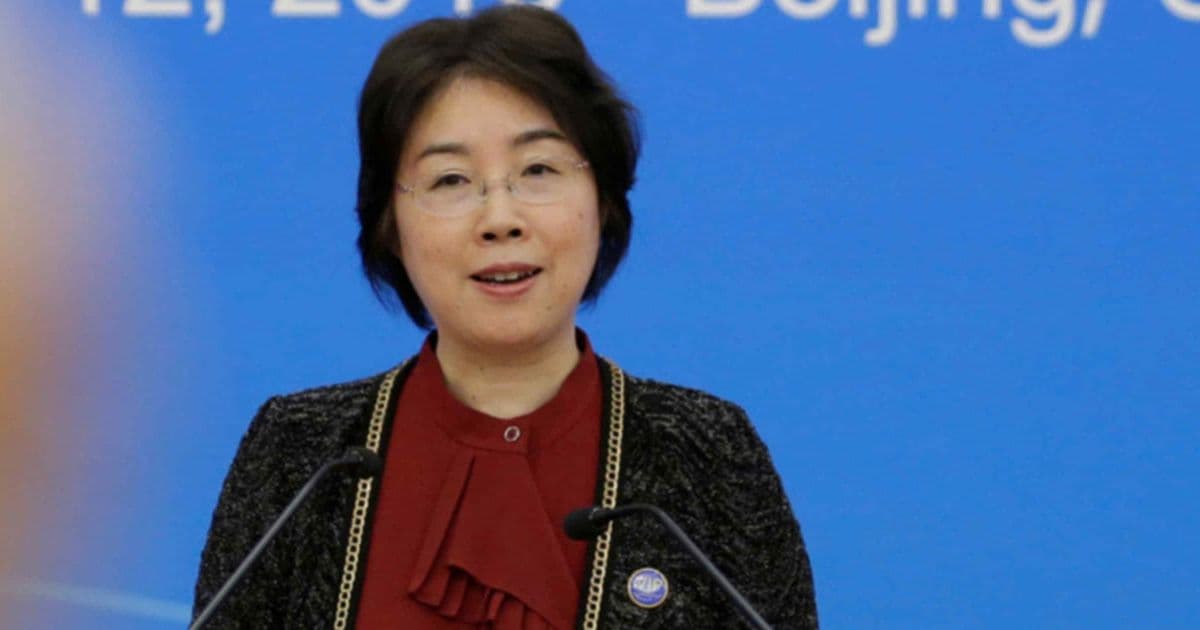
The China-led Asian Infrastructure Investment Bank aims to increase annual lending to $17 billion by 2030 under new president Zou Jiayi, leveraging U.S. retreat from multilateral institutions.
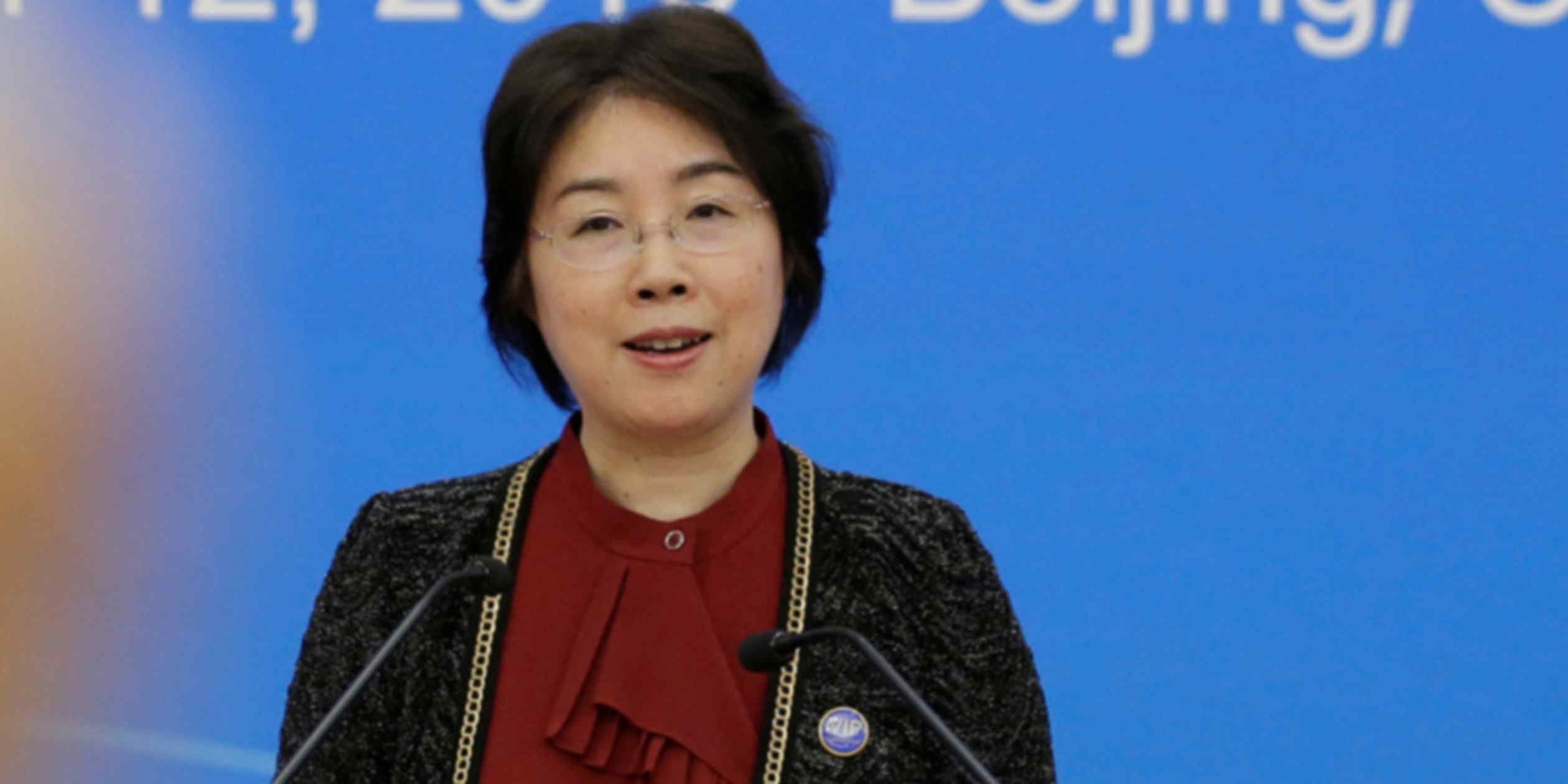
The Asian Infrastructure Investment Bank (AIIB) will expand its annual lending capacity by nearly 70% under new president Zou Jiayi, who took office Friday. The Beijing-based development bank plans to increase infrastructure investments from $10 billion to $17 billion annually by 2030, with climate projects prioritized for expanded funding.
Zou, previously China's vice finance minister for international affairs, brings extensive global credentials to the role, including nine years at the World Bank. Her appointment coincides with declining U.S. engagement in multilateral institutions under the Trump administration, which recently withdrew from 66 international agreements including climate treaties.
"I look forward to working with our members to deliver infrastructure that strengthens economies, protects the climate, and expands opportunity across Asia," Zou stated in her inaugural address.
The bank has expanded rapidly since its 2016 founding, growing from 57 to 111 member nations—surpassing the Japan-U.S. led Asian Development Bank's 69 members. China maintains controlling influence with a 30% voting share, granting it veto power over major decisions.
Zou's position carries unique political weight as an active member of the Communist Party's Central Committee, placing her among China's top 200 leaders. Her predecessor Jin Liqun didn't hold comparable party rank. This distinction raises questions about the bank's neutrality, particularly regarding China's Belt and Road Initiative. While Jin suspended projects in Russia and Belarus following Ukraine's invasion to demonstrate impartiality, Zou faces scrutiny over how she'll navigate geopolitical tensions.
The bank plans physical expansion alongside financial growth, considering a Hong Kong office after establishing its Abu Dhabi branch. This comes as China advances alternative financial architecture, including President Xi Jinping's proposal for a development bank within the China-Russia led Shanghai Cooperation Organization.
Despite concerns about Beijing's influence, the AIIB's lending surge positions it to fill infrastructure financing gaps left by retreating Western institutions. With the U.S. and Japan remaining the only G7 nations outside the bank, Zou's leadership will test China's ability to reshape global development finance during an era of geopolitical realignment.
Comments
Please log in or register to join the discussion