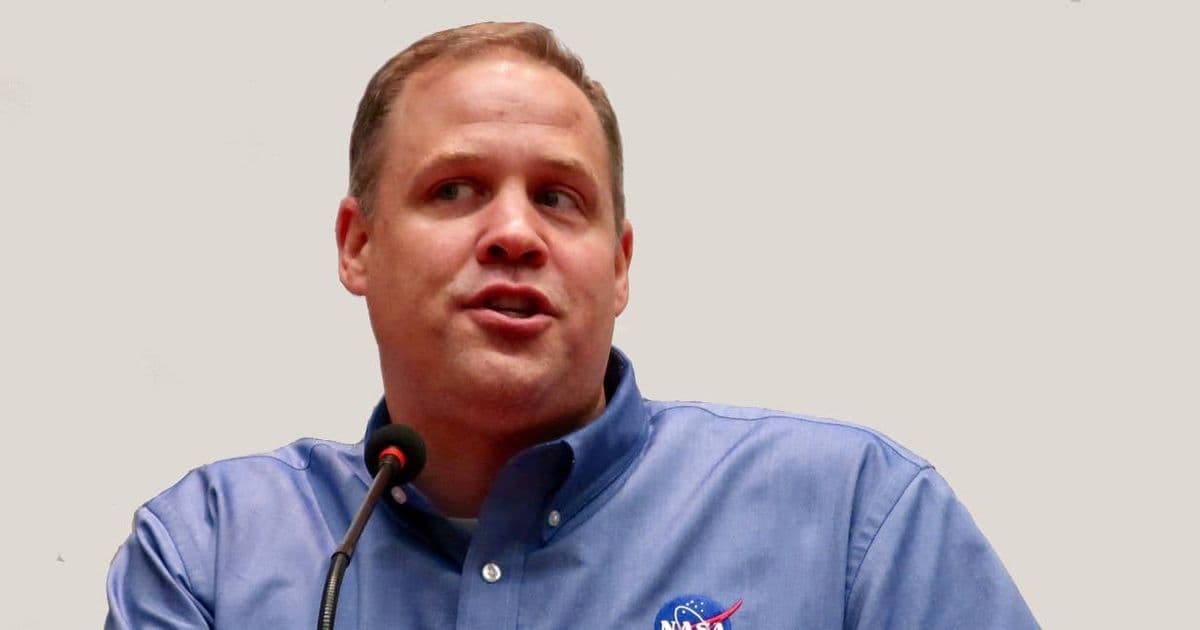
Jim Bridenstine endorses Jared Isaacman's Artemis shake-up while sidestepping key questions about Gateway and budget
Former NASA Administrator Jim Bridenstine has endorsed Jared Isaacman's overhaul of the Artemis program, praising the SpaceX-backed entrepreneur's willingness to make tough decisions about NASA's troubled lunar return effort. However, Bridenstine notably avoided addressing two critical questions: the future of the Gateway lunar space station and how the ambitious launch cadence increases will be funded.
The endorsement comes at a pivotal moment for Artemis, which has faced years of delays and billions in cost overruns. Isaacman, who took over as NASA Administrator in January 2025, recently announced major changes to the program's architecture, including repurposing Artemis III as a technology demonstration and pushing the first crewed lunar landing to Artemis IV in 2028.
What Changed Under Isaacman's Leadership
Isaacman's shake-up represents a significant departure from NASA's previous approach. The most immediate change is the decision to transform Artemis III from a landing mission into a technology demonstration flight. This allows NASA to test systems and procedures without the pressure of achieving a lunar touchdown on the first attempt.
More importantly, Isaacman has set an ambitious goal to reduce the gap between Space Launch System launches from multiple years to just ten months. This increased cadence is designed to build operational experience and reduce the technical risks that have plagued the program.
"His focus on increasing launch cadence and standardizing configuration is about more than schedule," Bridenstine said in his endorsement. "It is about reducing risk, strengthening the industrial base, and restoring the operational rhythm that complex missions require."
The Technical Challenges Continue
Despite the strategic changes, Artemis II remains grounded at Kennedy Space Center. The mission was rolled back to the Vehicle Assembly Building in February after engineers discovered a helium flow problem with the rocket's upper stage following a Wet Dress Rehearsal.
The issues included a dislodged seal in the quick disconnect through which helium flows, along with problems with batteries and the core stage liquid oxygen line feed. Engineers have replaced the affected components, and the rocket is expected to return to the launch pad later in March for a potential April launch.
These technical problems highlight the challenges that have made Artemis one of NASA's most expensive and delayed programs in history. The SLS rocket, in particular, has faced criticism for its complexity and cost, with each launch estimated to cost over $2 billion.
Bridenstine's Complicated Legacy
Bridenstine's endorsement carries particular weight given his own history with Artemis. He was nominated to run NASA during the first Trump administration and drove the Artemis program forward, though he departed before Artemis I launched.
His tenure was marked by the Trump administration's goal of returning humans to the lunar surface by 2024 - a target that came and went as NASA grappled with the budgetary and technical challenges of making the SLS work. The 2024 deadline was widely considered unrealistic from the beginning, given the program's development status at the time.
Interestingly, Bridenstine has been critical of certain Artemis approaches in the past. In 2025, he questioned a lunar landing architecture that relied heavily on SpaceX's Starship, after which NASA reopened the Artemis III contract competition. This history makes his current endorsement of Isaacman's changes particularly noteworthy.
The Questions Bridenstine Won't Answer
The most significant omission from Bridenstine's endorsement is any mention of the Gateway lunar space station. This controversial component of the Artemis architecture has faced criticism from various quarters, including some who argue it's an unnecessary complication that diverts resources from the primary goal of landing on the Moon.
Isaacman has yet to address what role, if any, Gateway will play in the revised Artemis plan. Given the program's emphasis on simplification and increased cadence, many observers expect significant changes to the Gateway's scope or timeline.
Equally absent from Bridenstine's comments is any discussion of funding. Increasing launch cadence from every few years to every ten months represents a massive increase in operational costs. NASA's budget has not increased proportionally to support such an acceleration, raising questions about where the additional funding will come from.
The industrial base implications are also significant. A more frequent launch schedule would require suppliers and contractors to dramatically scale up production of SLS components, Orion spacecraft, and ground support equipment - all while maintaining the quality and safety standards required for human spaceflight.
Why This Matters for Space Exploration
The Artemis program represents NASA's most ambitious human spaceflight effort since the Apollo era. Success would establish a sustainable presence on the Moon, advance technologies needed for Mars exploration, and maintain American leadership in space.
However, the program's troubled history - marked by delays, cost overruns, and technical challenges - has raised questions about NASA's ability to execute large-scale exploration programs. Isaacman's changes represent an attempt to address these systemic issues by adopting a more iterative, risk-tolerant approach.
Bridenstine's endorsement suggests that at least some within the space community see value in this new direction. His statement that "it takes clarity and conviction to evaluate where a program stands and make adjustments that strengthen confidence and build momentum" acknowledges the difficult position Isaacman faces.
The former administrator's support could help Isaacman navigate the political and bureaucratic challenges of implementing these changes, particularly given Bridenstine's own experience running NASA during a similarly transformative period.
The Path Forward
As Artemis II prepares for its potential April launch, attention will shift to how successfully NASA can implement Isaacman's vision. The increased cadence goal will be particularly challenging to achieve, requiring not just technical solutions but also political support for additional funding.
The coming months will reveal whether these changes represent a genuine course correction or merely another adjustment in Artemis's long history of revisions. With the first crewed lunar landing now pushed to 2028 at the earliest, there's time to get the architecture right - but also pressure to demonstrate progress and maintain momentum.
For now, Bridenstine's endorsement provides Isaacman with political cover as he works to reshape one of NASA's most important programs. Whether this support translates into successful execution remains to be seen, but it represents an important vote of confidence from someone who has navigated similar challenges at the highest levels of the space agency.
Comments
Please log in or register to join the discussion