President Trump is convening major tech companies at the White House to sign a 'ratepayer protection pledge' requiring AI data center operators to negotiate separate payment structures for their massive electricity consumption, as surging power demands have caused some states to see electricity costs rise by up to 36%.
President Donald Trump is convening the biggest names in artificial intelligence and cloud computing at the White House today for a high-stakes meeting aimed at addressing the skyrocketing electricity costs driven by massive AI data centers. The administration's new "ratepayer protection pledge" seeks to force tech giants like Amazon, Meta, Microsoft, and Google to negotiate separate payment structures for their power consumption rather than passing costs onto ordinary consumers.
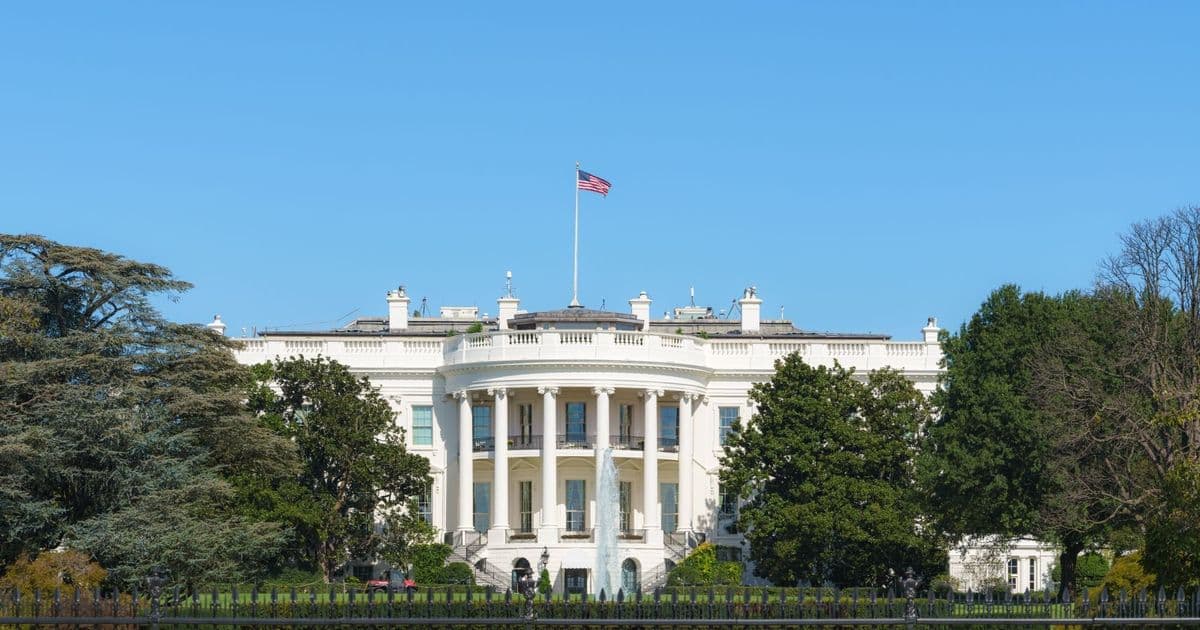
(Image credit: Getty)
The electricity demands of AI infrastructure have created a perfect storm in America's power markets. Wholesale electricity prices have surged 267% over just five years, with some states reporting consumer rate increases of up to 36%. This dramatic escalation has pushed the issue to the forefront of both political parties, who are demanding that tech companies shoulder the burden of their enormous energy appetites.
During his State of the Union address, Trump made his position clear: "We're telling the major tech companies that they have the obligation to provide for their own power need." The message is unambiguous—AI data centers must "pay their own way" when it comes to electricity consumption.
Several tech companies have already begun responding to this pressure. Microsoft was among the first to commit, promising to be a "good neighbor" in communities where it operates. OpenAI followed with pledges to fund grid upgrades and implement flexible loads to reduce stress on the electrical infrastructure. Anthropic went even further, committing to pay 100% of its grid infrastructure costs while also developing new power sources.
The administration views today's White House meeting as a critical step in formalizing these commitments. Energy Secretary Chris Wright stated that the pledge "will deliver more affordable, reliable, and secure energy for the American people and help stop the rising electricity prices that started during the previous administration," while ensuring the U.S. maintains its competitive edge in the global AI race.
However, legal experts remain skeptical about the pledge's long-term effectiveness. Ari Peskoe, Director of the Harvard Law School Electricity Law Initiative, characterized the initiative as "a show designed to sweep this issue under the rug and show the White House has solved the problem." Peskoe emphasized that "The White House has no real authority here aside from the bully pulpit."
The true test of these commitments will come when tech companies begin signing separate rate structures with electricity providers, grid operators, and state governments. Until those agreements are finalized and implemented, the pledge remains largely symbolic.
This meeting represents a significant shift in how the U.S. approaches the intersection of technological advancement and infrastructure costs. As AI continues to drive unprecedented demand for computing power, the question of who bears the financial burden of that growth has become a central political issue. The tech industry's response to these demands could reshape the economics of AI development and potentially slow the rapid expansion of data center infrastructure if companies are forced to internalize costs that were previously distributed across all ratepayers.
The outcome of today's meeting could set a precedent for how governments worldwide address the infrastructure challenges posed by the AI revolution, making it a pivotal moment in the ongoing evolution of the technology sector's relationship with public utilities and ratepayers.
Comments
Please log in or register to join the discussion