
Vigx announces three models of foldable π6 exoskeletons featuring AI-powered terrain cameras that automatically adjust assistance levels, with torque up to 16Nm and battery life extending to 40km.
Vigx has introduced its π6 exoskeleton series featuring three distinct models designed for outdoor mobility. The foldable devices reduce walking and running effort by delivering targeted torque while incorporating AI-driven terrain analysis for adaptive assistance.
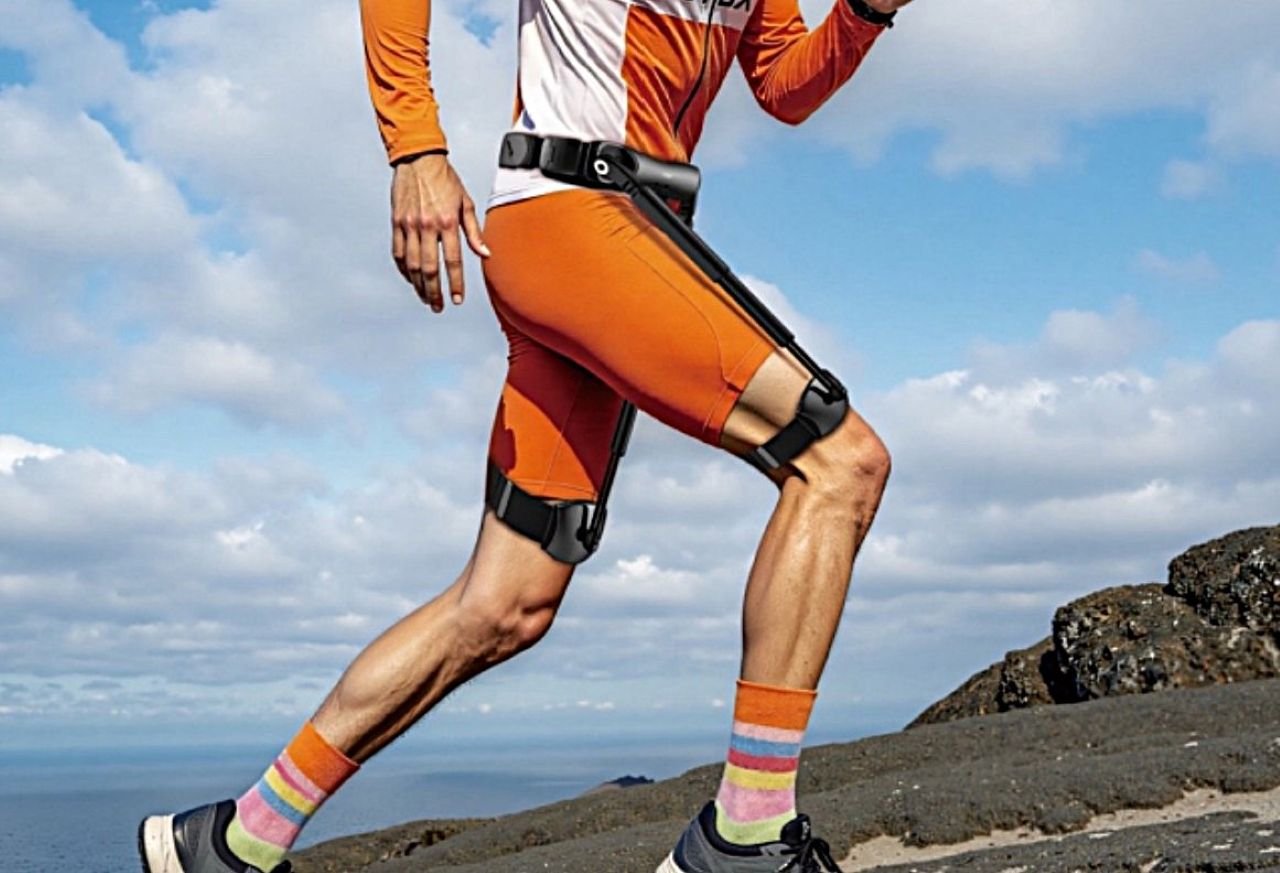
The lineup includes Base, Pro, and Ultra variants differentiated by power output and features. The entry-level Base model houses a 300W motor generating 10Nm torque, weighs 1.9kg (4.2 lbs), and offers 10km range at maximum assist (8Nm) or 25km at reduced power (4Nm). Mid-tier Pro models upgrade to 500W motors (14Nm torque) while adding a terrain-sensing camera. Flagship Ultra versions deliver 16Nm torque via 800W motors, extend range to 16km (8Nm) or 40km (4Nm), and incorporate both terrain cameras and time-of-flight sensors.
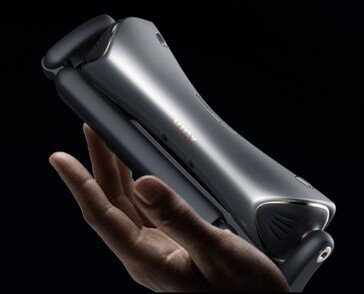
Critical to the Pro and Ultra models is the AI terrain analysis system. A quad-core 1.5GHz processor processes camera input to adjust assistance levels within 30 milliseconds based on surface conditions. This real-time adaptation helps maintain consistent effort levels across varied terrain. The exoskeletons' mechanical design positions force application near the wearer's center of gravity, minimizing lateral sway during motion.
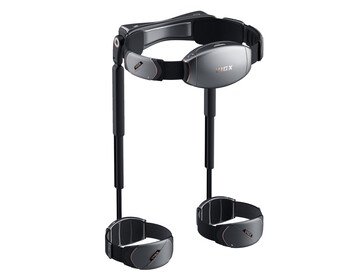
Compared to previous-generation exoskeletons like the Dnsys X1, the π6 series offers substantially higher torque output (Dnsys peaks at 8Nm) and introduces automated terrain response absent in earlier models. Vigx claims the system reduces heart rate by up to 30% and knee joint pressure by 15% during use.
With a projected June 2026 launch, pricing is anticipated near $1,000 across models. The Base suits casual users needing occasional assistance, while the Pro targets regular hikers requiring adaptive support. The Ultra serves professionals needing extended operation and maximum power transfer. Until availability, the Dnsys X1 remains a current alternative for assisted mobility, though without terrain adaptation capabilities.
Comments
Please log in or register to join the discussion