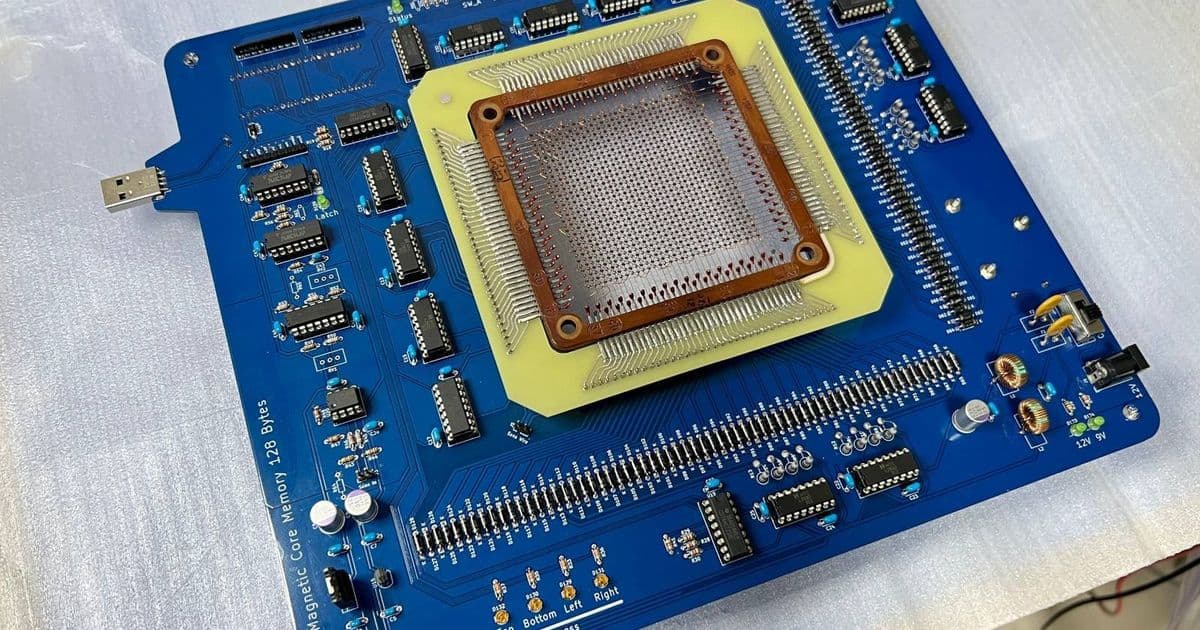
A Raspberry Pi-powered USB drive uses 1970s magnetic-core memory technology to store 128 bytes of data on a device the size of a dinner plate.
Someone has created a USB stick using 1970s magnetic-core memory technology, resulting in a device that's as big as a dinner plate but can only store 128 bytes of data.
A Blast from the Computing Past
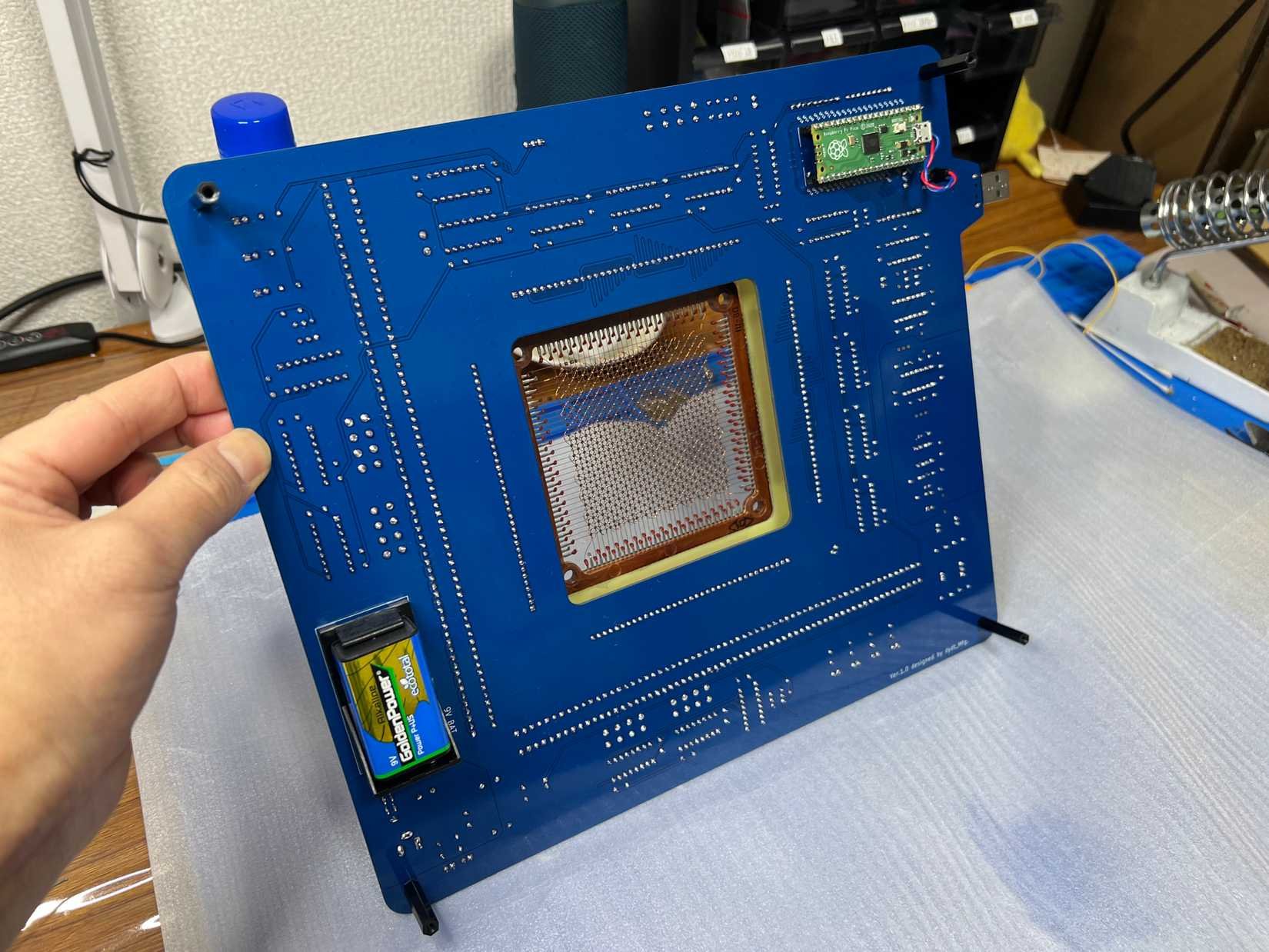
The project, created by @dydt_Nao on X (formerly Twitter), combines vintage computing technology with modern USB connectivity. The device uses a Raspberry Pi to interface with magnetic-core memory, a technology that was state-of-the-art in the 1970s but has long been obsolete.
The Technical Details
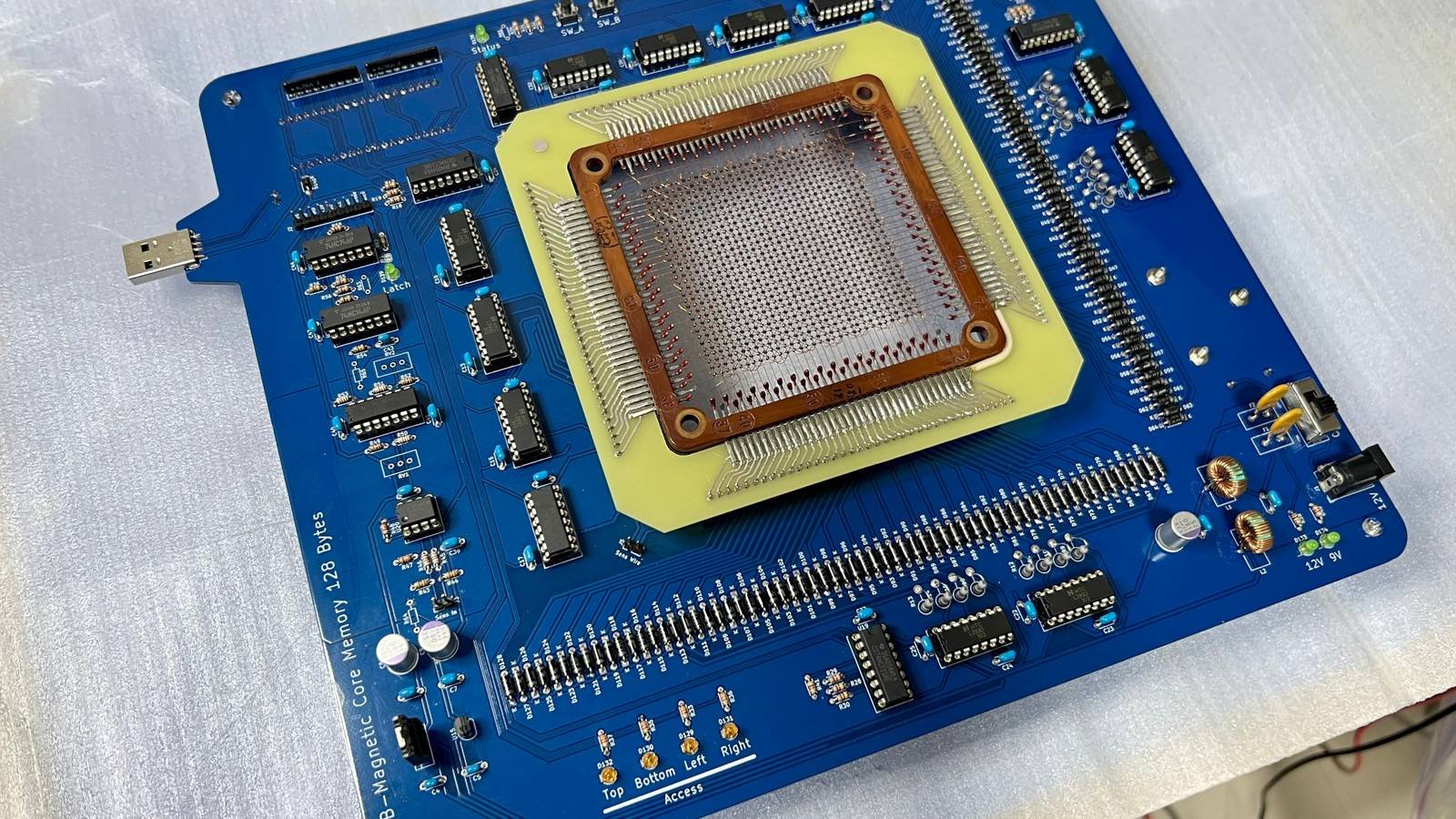
The USB stick features a 32x32 grid of ferrite cores, totaling 1,024 bits of storage capacity. However, due to the way magnetic-core memory operates, the actual usable storage is limited to 128 bytes. To put this in perspective, this is barely enough space to store a few lines of text.
Size and Design
As the creator notes, "All the parts are finally loaded. It's got a proper USB-A connector and no matter how you look at it, it's definitely a USB drive lol" The device is massive compared to modern USB drives, with the USB-A port visible in the corner providing scale reference. The hand-woven wires connecting the ferrite cores showcase the meticulous craftsmanship involved in creating this retro-tech revival.
Why It Matters
While the device serves no practical purpose in terms of data storage - you couldn't even store a single tweet on it - it represents an important bridge between computing history and modern technology. It demonstrates how vintage hardware can be repurposed and interfaced with contemporary systems, preserving the knowledge and techniques of earlier computing eras.
The Technology Behind It
Magnetic-core memory works by using tiny ferrite rings (the cores) that can be magnetized in one of two directions to represent binary data. Wires threaded through these cores can read and write data by detecting or changing the magnetic state. This technology was widely used in computers from the 1950s through the 1970s before being replaced by semiconductor memory.
Modern Context
The project highlights how far storage technology has advanced. Today's USB drives can store terabytes of data in packages smaller than a fingernail, while this 1970s-inspired creation requires a plate-sized device for just 128 bytes. It's a tangible reminder of the exponential growth in computing capabilities over the past five decades.
The device serves as both a functional art piece and an educational tool, demonstrating the physical nature of early computer memory in a way that's accessible to modern audiences. It's a testament to the enduring appeal of vintage technology and the creativity of makers who find new purposes for obsolete hardware.
Comments
Please log in or register to join the discussion