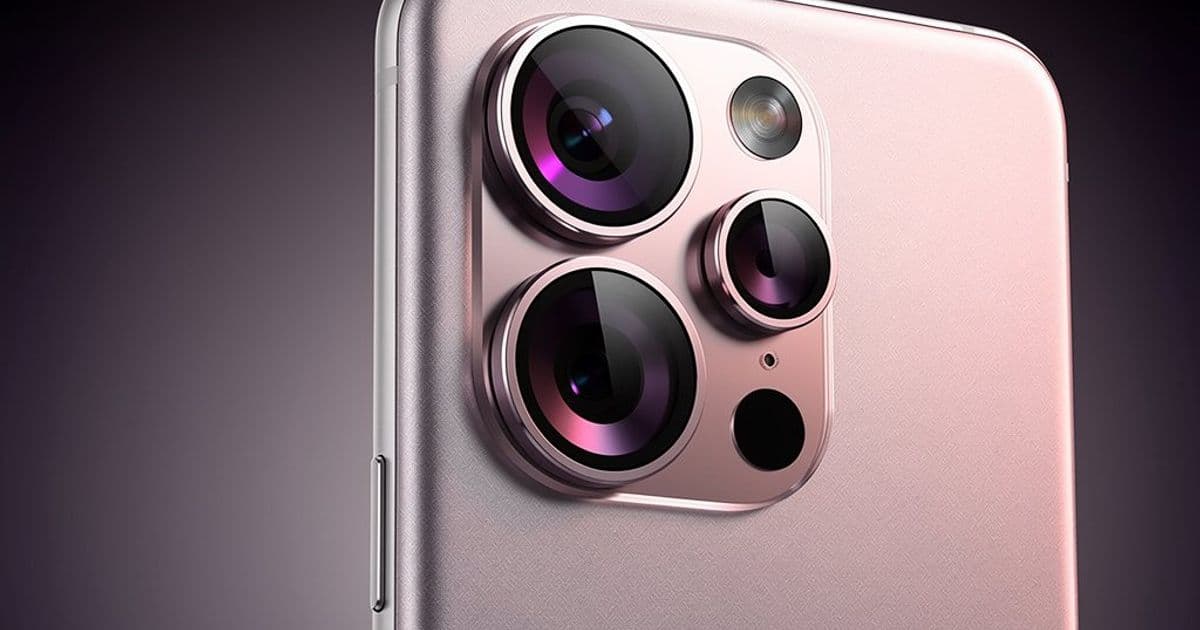
Leaked details suggest vivo's next camera flagship will use a custom 5MP multispectral sensor to improve color accuracy, skin tones, and HDR performance across its dual 200MP camera system.
The vivo X300 Ultra is shaping up to be one of the most camera-focused Android flagships of 2026, and the latest leak points to a significant hardware upgrade that could address a persistent challenge in mobile photography: accurate color reproduction.
According to tipster Digital Chat Station, the upcoming device will feature a custom 5MP multispectral sensor with a larger physical size and more color channels than typical implementations. This isn't just a marketing gimmick—multispectral sensors capture light across multiple wavelengths beyond the standard red, green, and blue channels, giving the camera system more data to work with when processing colors.
The implications for everyday photography are substantial. Better multispectral data should translate to more accurate white balance in mixed lighting, improved skin tone rendering (a notorious weakness in many smartphone cameras), and more natural-looking HDR processing. Night photography could also benefit, as the sensor would provide additional spectral information even in low-light conditions, helping the camera distinguish between different light sources and their color temperatures.
This multispectral sensor would join what's shaping up to be an exceptionally capable camera array. The X300 Ultra is rumored to feature:
- A 200MP primary sensor with optical image stabilization
- A second 200MP periscope telephoto unit
- A 50MP ultrawide camera with a larger sensor than its predecessor
The dual 200MP setup would be a first for any smartphone, though it's worth noting that high megapixel counts don't automatically mean better image quality. The real value lies in how vivo's image processing pipeline uses this data, especially when combined with multispectral information.
Multispectral imaging isn't entirely new to smartphones—some manufacturers have experimented with dedicated depth or light sensors—but a 5MP dedicated sensor represents a more serious investment. The larger size suggests it's not just an afterthought but a core component of the imaging system. More color channels mean the sensor can capture data across a broader spectrum of light, which is particularly valuable for scenes with complex lighting or challenging color reproduction.
For users, this could mean photos that require less post-processing to look natural. Portrait mode shots with more accurate skin tones, landscapes with better color gradation, and indoor photos that don't suffer from unnatural color casts are all potential benefits. The improvement would likely be most noticeable in challenging scenarios where standard RGB sensors struggle: mixed daylight and artificial lighting, sunset scenes with subtle color variations, or food photography where color accuracy matters.
The timing of this leak aligns with vivo's typical launch cycle. The company has been pushing camera innovation aggressively in recent years, with the X100 Ultra establishing a strong reputation for computational photography. Moving to a multispectral sensor represents the next logical step—moving beyond just capturing more pixels to capturing better spectral data.
However, hardware is only half the equation. The real test will be how vivo's image processing algorithms interpret and utilize this additional spectral information. Poor implementation could lead to overprocessed, unnatural colors, while good implementation could set a new standard for color accuracy in mobile photography.
The vivo X300 Ultra is expected to launch globally in Q1 2026, giving the company several months to refine its image processing pipeline. As with all leaks, these details should be taken with appropriate caution, but if accurate, the X300 Ultra could represent a meaningful step forward in solving one of smartphone photography's most persistent challenges.
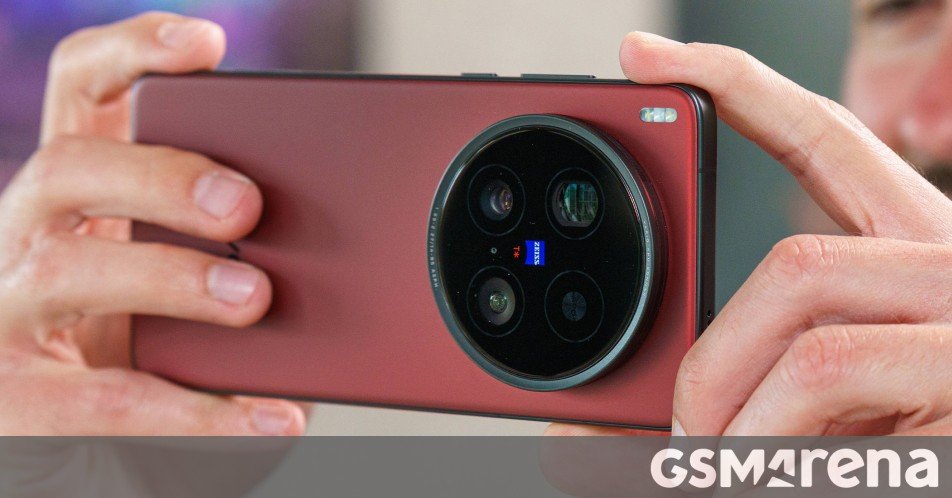
The rumored camera setup suggests a focus on both hardware capability and color science.
For photographers who prioritize color accuracy over pure resolution, this development is particularly promising. While megapixel counts have been the primary battleground for years, the shift toward better spectral data represents a more mature approach to image quality—one that focuses on what actually makes a photo look good rather than just what looks impressive on a spec sheet.
The challenge will be balancing this enhanced capability with the computational demands of processing multispectral data in real-time. Smartphones already struggle with thermal management during intensive camera use, and adding another high-resolution sensor to the mix could exacerbate this. vivo's engineering team will need to optimize their algorithms carefully to ensure the benefits don't come at the cost of battery life or device temperature.
As we approach the expected launch window, more details about the X300 Ultra's processing pipeline and real-world performance will likely emerge. For now, the promise of a dedicated multispectral sensor represents one of the more interesting hardware innovations we've seen in smartphone cameras this year.
Comments
Please log in or register to join the discussion