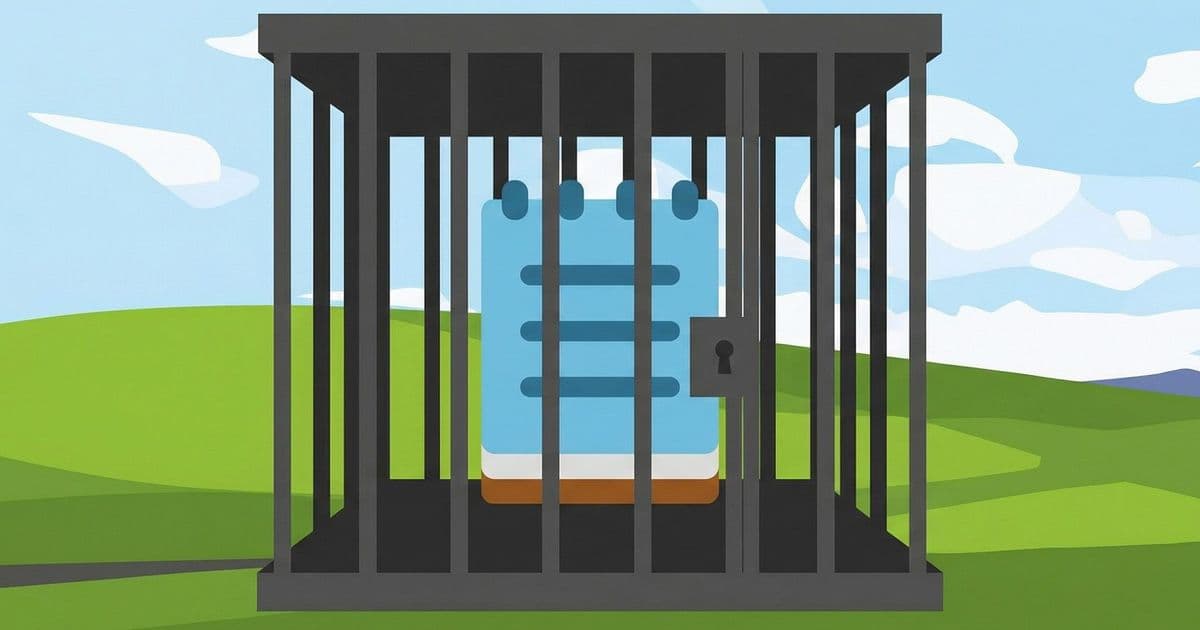
A Windows Central editor's inability to open Notepad due to Microsoft Store licensing errors exposes growing concerns about cloud integration in fundamental OS functions.
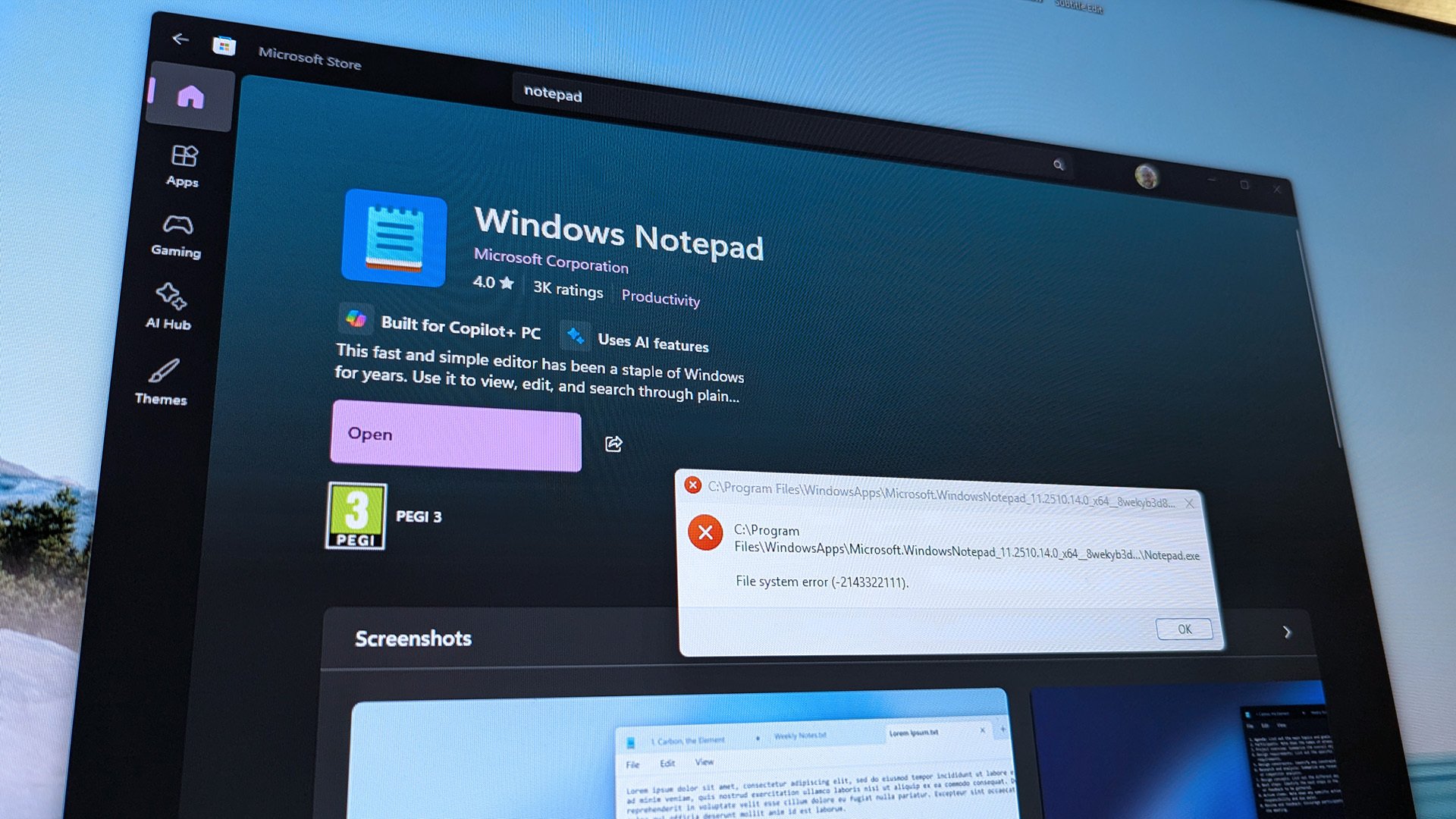
A Windows Central editor recently discovered that Notepad, the most basic text editor in Windows, was completely inaccessible on his desktop PC. The cause wasn't a system crash or corrupted files, but rather a Microsoft Store licensing error (0x803f8001) that locked him out of several first-party apps including Notepad and the Snipping Tool.
This incident highlights a broader concern about Microsoft's increasing integration of cloud services into fundamental Windows functionality. The editor notes that while he can still access legacy Notepad by typing C:\Windows\notepad.exe into the Run dialog, many users wouldn't know about this workaround. The modern version of Notepad, enhanced with Copilot AI features, appears to require authentication through Microsoft's servers.
The problem extends beyond just Notepad. The editor describes Windows 11 as feeling "less like an operating system and more like a thin client" - essentially just a connection to Microsoft's cloud with limited user control. This sentiment is reinforced by Microsoft's gradual shift from "My Computer" to "This PC" in Windows terminology, which some users interpret as a sign that they're losing ownership of their devices.
Windows enthusiasts have developed various workarounds for these cloud dependencies. Common practices include uninstalling OneDrive, creating local accounts instead of Microsoft accounts, and using debloating scripts from GitHub. However, the editor expresses concern about recommending these solutions, noting that users shouldn't have to resort to third-party scripts to regain basic functionality on their own computers.
The incident raises questions about Windows' future direction. With AI becoming increasingly integrated into Microsoft's ecosystem and rumors of Windows 12 being an "agentic AI OS," there's growing worry that future versions will be even more dependent on internet connectivity. The editor suggests that if this trend continues, more users might stick with debloated versions of Windows 11, similar to how some users remained on Windows 10.
The core issue is that basic system functionality should work regardless of internet connectivity. A text editor failing due to server authentication represents a fundamental design problem where cloud dependencies interfere with local computing tasks. As Microsoft continues to push its cloud services and AI features, finding the right balance between enhanced functionality and maintaining user control over their own devices remains a critical challenge.
The editor's experience serves as a reminder that even the most basic tools we rely on daily can become inaccessible due to cloud integration issues, raising important questions about digital ownership and the future of personal computing.
Comments
Please log in or register to join the discussion