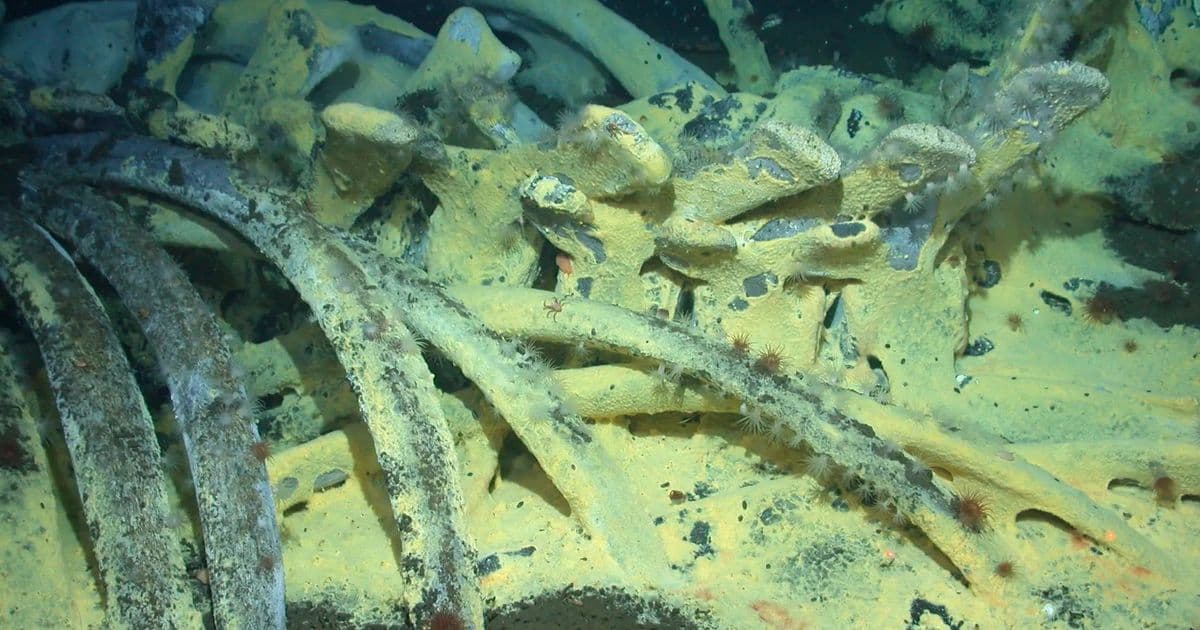
The blog post uses the natural phenomenon of a whale fall to explore how the demise of dominant platforms—Twitter, GitHub, WordPress—creates ecological niches for emerging services. It observes the pattern, cites real‑world examples, and questions whether the inevitable decay of giants truly fuels innovation or merely reshapes power structures.
When Platforms Die: Lessons from a Whale Fall in the Tech Ocean
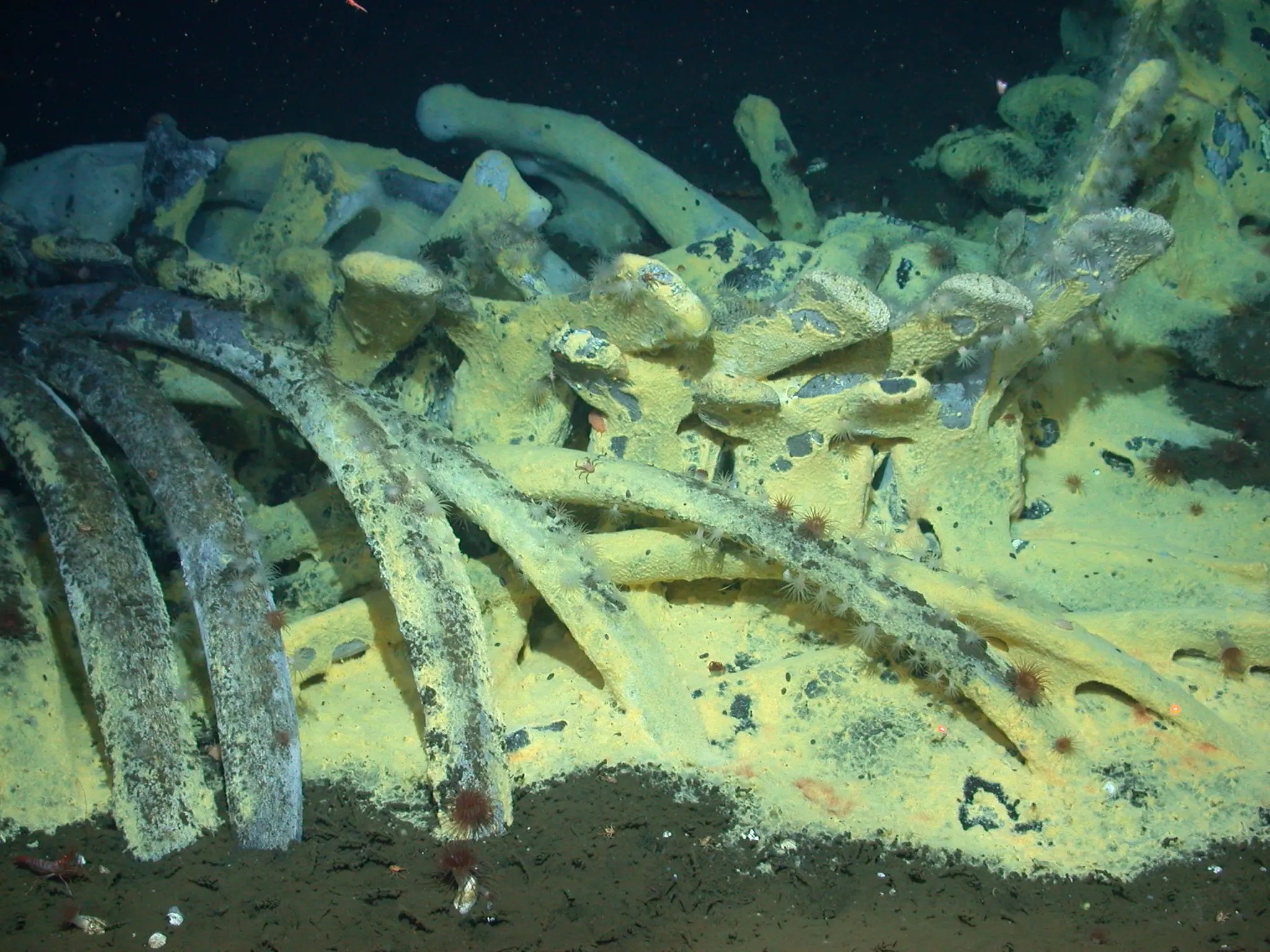
The ocean’s greatest carcasses—whale falls—have long been a source of fascination for marine biologists. When a massive whale sinks, its body becomes a towering, nutrient‑rich reef that sustains a whole new community of organisms for decades. In the tech world, the same process is playing out, only the bodies are platforms and the scavengers are developers, startups, and alternative services.
Observation: Platform death sparks a burst of activity
The metaphor is obvious: Twitter’s “Fail Whale” was an early warning that the once‑dominant micro‑blogging service was heading toward obsolescence. As its user base fragmented, a swarm of alternatives—Mastodon, Bluesky, Nostr, Discord, and others—moved in to claim the vacant real‑estate. The pattern repeats with GitHub, whose recent outages and the forced rollout of low‑quality AI code assistants have left many open‑source maintainers uneasy. New forges such as Sourcegraph, Gitea, and GitLab are already positioning themselves as the next‑generation homes for code.
Evidence from the field
- Twitter’s user migration: After the 2022 acquisition, verified‑check sales and policy shifts caused a 15 % drop in daily active users within six months. Simultaneously, Mastodon’s monthly active users grew from 300 k to over 1 M, according to the Mastodon statistics page.
- GitHub’s reliability concerns: A series of high‑profile outages in 2023 (see the GitHub status archive) coincided with a 12 % increase in repository creation on GitLab, as reported by the GitLab Quarterly Report Q2 2023.
- WordPress’s legal turbulence: The recent GPL‑related lawsuits and leadership turnover have led to a measurable rise in the adoption of Ghost and Strapi, with download counts up 27 % in the last quarter (source: Open‑Source CMS Market Share 2024).
These data points illustrate a clear ecological response: when a dominant platform shows signs of decay, a diversity of smaller organisms—new services, forks, and niche tools—quickly colonize the space.
Counter‑Perspectives: Not every death fuels growth
While the whale‑fall analogy is compelling, it glosses over several nuances that temper the optimism about “innovation from decay.”
- Network effects are sticky
- Even a weakened platform retains a critical mass of users who are reluctant to switch because of entrenched connections. Twitter still commands a global conversation volume that dwarfs any newcomer, as shown by the DataReportal 2024 Social Media Usage.
- Fragmentation can erode standards
- The proliferation of protocols like Nostr and Bluesky introduces interoperability challenges. Developers may spend more time building adapters than creating novel features, slowing overall progress.
- Legacy codebases linger
- GitHub’s massive repository ecosystem cannot be duplicated overnight. Migration costs, licensing concerns, and CI/CD pipeline rewrites mean many projects will stay put, limiting the impact of new forges.
- Economic incentives favor the incumbent
- Advertising revenue, enterprise contracts, and platform‑specific tooling create financial barriers for newcomers. WordPress, despite its turmoil, still powers over 40 % of the web (source: W3Techs 2024).
These counter‑arguments suggest that platform decline does not guarantee a flourishing of alternatives; it may simply result in a more chaotic, less efficient ecosystem.
Synthesis: What the tech community can learn
- Watch for early warning signs – Sudden policy shifts, repeated outages, or leadership churn often precede a platform’s ecological opening.
- Invest in portable standards – Projects that abstract away from a single host (e.g., using ActivityPub, OpenAPI, or container‑based CI) can more easily ride the wave of change.
- Cultivate niche niches – Success is no longer measured solely by user count. Finding a resilient, well‑served niche—like decentralized identity on Nostr—can be a sustainable strategy.
- Prepare for hybrid ecosystems – The future may resemble a coral reef: multiple platforms co‑existing, each offering a slice of the overall functionality, rather than a single monolithic ocean.
Closing thought
Just as a whale’s massive skeleton becomes a scaffold for sponges, clams, and bizarre bacteria, a platform’s decline leaves behind APIs, data exports, and community knowledge that can be repurposed. Whether those remnants nurture a vibrant, diverse reef or turn into a tangled mess of competing protocols depends on how intentionally the community manages the transition. The next time a tech giant shows signs of fatigue, keep an eye on the scavengers; they may be the architects of the next ecosystem.
For a deeper dive into the biology of whale falls, see the Wikipedia entry.
Comments
Please log in or register to join the discussion