Security researchers reveal WhisperPair, an exploit allowing attackers to hijack Fast Pair-enabled Bluetooth devices within seconds, potentially enabling audio eavesdropping and location tracking.
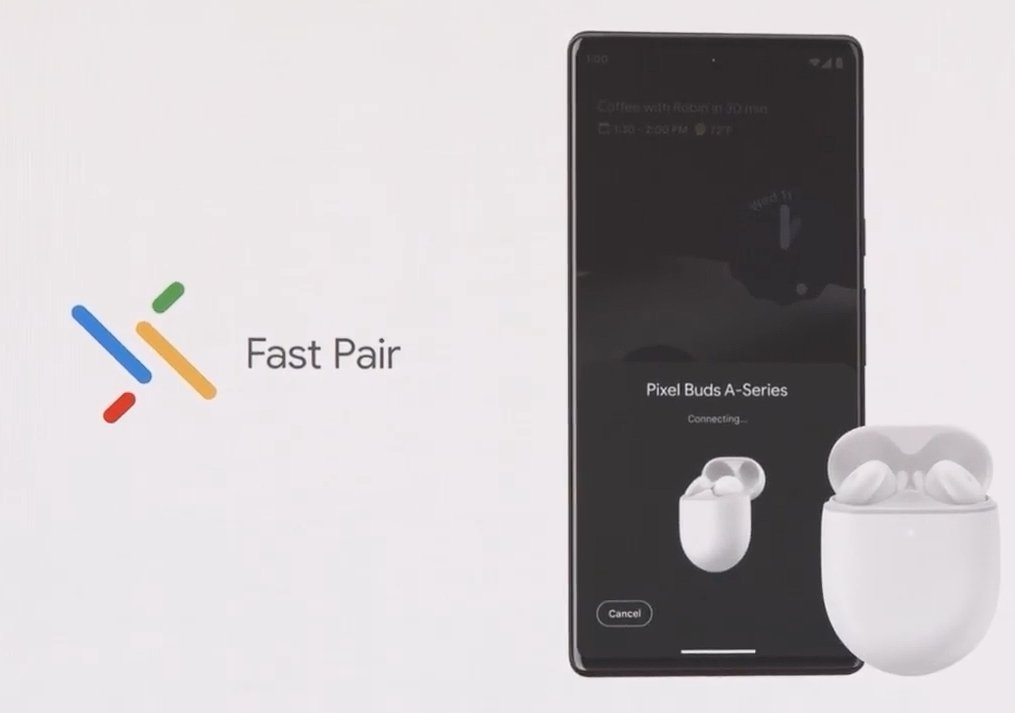
Google's Fast Pair technology simplifies Bluetooth device pairing for over 600 million Android devices, allowing near-instant connections for headphones, speakers, and peripherals. However, newly documented research from Belgian security experts reveals critical vulnerabilities in the protocol's implementation. Dubbed "WhisperPair," this attack exploits weaknesses in Bluetooth Low Energy (BLE) advertising frames during the initial pairing handshake.
When users initiate Fast Pair, devices broadcast unencrypted BLE packets containing public keys and pairing metadata. WhisperPair attackers within a 14-meter radius can intercept these packets using commodity hardware like a Raspberry Pi with Bluetooth sniffing capabilities. Within 10 seconds, attackers inject malicious configuration packets that compromise the session establishment process. This enables two primary attack vectors: audio hijacking (redirecting microphone/audio streams to attacker-controlled devices) and location tracking (using Bluetooth beacons to monitor victim movement).
For mobile developers, this exposes significant platform-specific risks:
- Android Integration: Fast Pair is deeply embedded in Google Play Services, meaning apps relying on Bluetooth audio/input inherit these vulnerabilities transparently. Apps requesting BLUETOOTH_CONNECT permissions become potential conduits for compromised sessions.
- Cross-Platform Limitations: While iOS uses its proprietary pairing protocol, Android developers supporting cross-platform Bluetooth accessories must audit vendor SDKs for Fast Pair dependencies. Many third-party peripherals implement Fast Pair on firmware level regardless of host OS.
- Encryption Gaps: The vulnerability stems from BLE advertising frames lacking end-to-end encryption prior to key exchange completion. This violates fundamental Bluetooth SIG security recommendations for LE Secure Connections.
Mitigation requires coordinated action:
- Device Validation: Researchers maintain a vulnerability database listing affected devices. Developers should reference this when recommending hardware to users.
- Firmware Updates: Google released patches for Pixel Buds Pro and Pixel Buds A-Series via Play Services updates (v23.40.13+). However, manufacturers must implement new anti-spoofing measures in firmware—many budget devices lack OTA update capabilities.
- App-Level Protections: Implement runtime checks using Android's BluetoothAdapter API to detect abnormal connection states. Monitor for multiple pairing attempts or unexpected service UUID changes during sessions.
- Fallback Protocols: For sensitive applications (e.g., medical devices), consider requiring manual Bluetooth pairing instead of Fast Pair convenience.
While Google has addressed protocol flaws in updated specifications, device patching remains fragmented. Developers should treat Bluetooth sessions as potentially compromised surfaces and minimize trust in peripheral communications until manufacturers provide verifiable firmware updates. The WhisperPair disclosure highlights ongoing challenges in securing convenience-oriented wireless protocols against physical proximity attacks.
Comments
Please log in or register to join the discussion