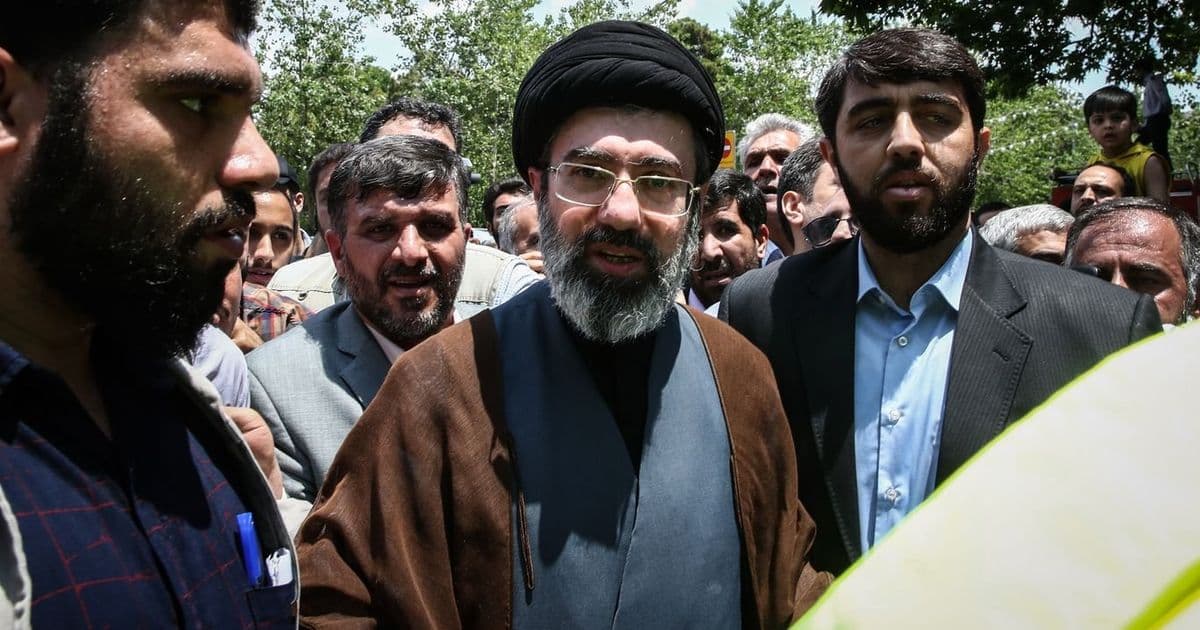
Mojtaba Khamenei, son of Iran's current Supreme Leader, emerges as the likely hardline successor in a complex power transition that could reshape Middle Eastern geopolitics.
Who is Mojtaba Khamenei? Iran's hardline next supreme leader, explained
Mojtaba Khamenei, the son of Iran's current Supreme Leader Ayatollah Ali Khamenei, has emerged as the likely successor in a complex power transition that could reshape Middle Eastern geopolitics.
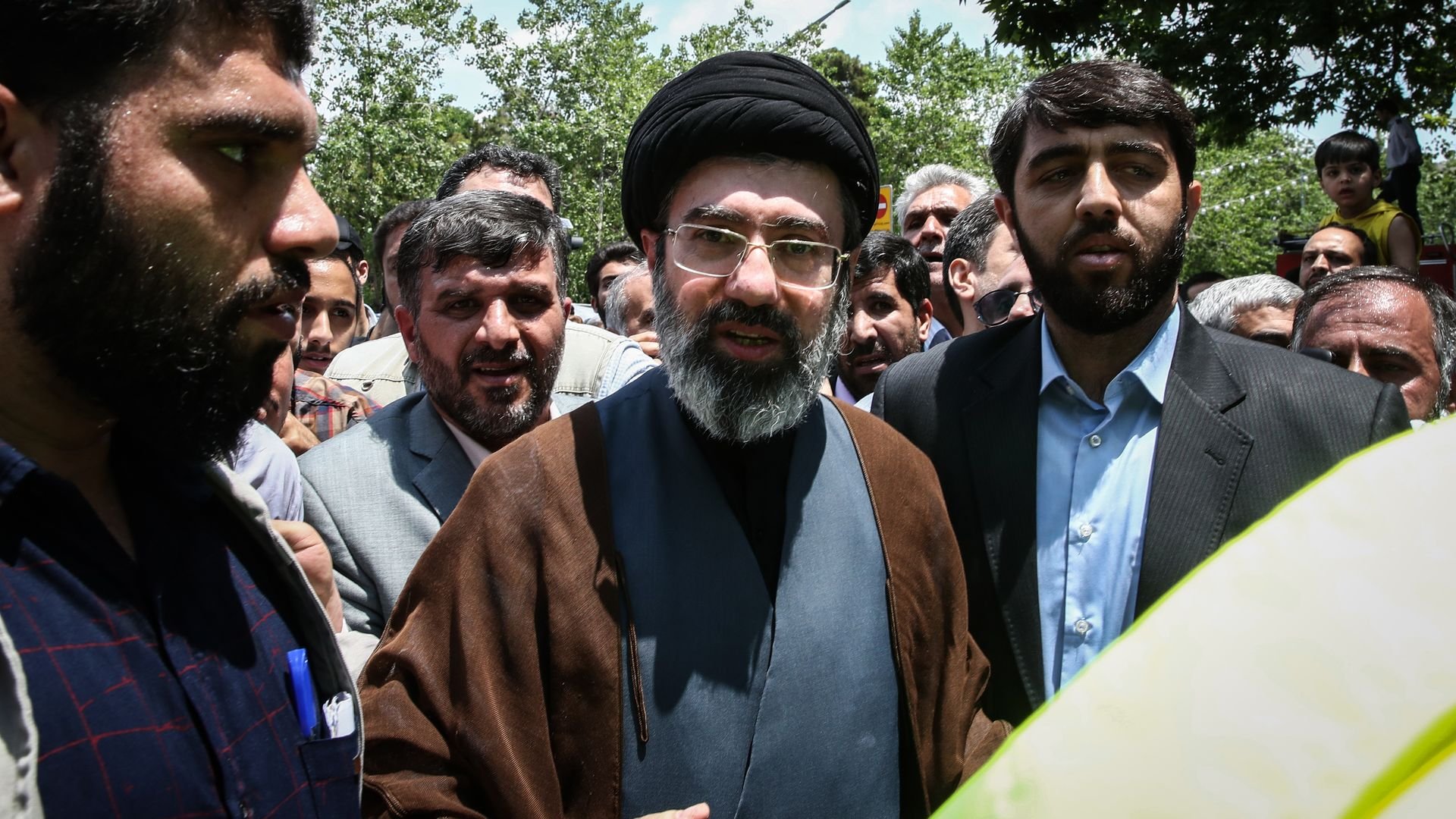
Background and rise to prominence
Born in 1969, Mojtaba Khamenei has spent his entire adult life within Iran's clerical establishment. Unlike his father, who gained prominence through the 1979 Islamic Revolution, Mojtaba has operated largely behind the scenes, building influence through the religious education system and security apparatus.
Key positions and influence
- Senior cleric in Iran's religious hierarchy
- Close ties to the Islamic Revolutionary Guard Corps (IRGC)
- Alleged coordinator of election security operations
- Rumored to have played a role in suppressing 2009 Green Movement protests
Hardline credentials
Mojtaba Khamenei is known for his uncompromising stance on Iran's revolutionary principles and opposition to Western influence. His hardline credentials include:
- Strong support for Iran's nuclear program
- Opposition to diplomatic engagement with the United States
- Advocacy for expanded regional influence through proxy groups
- Support for strict Islamic governance
Power transition dynamics
The succession process in Iran's theocratic system remains opaque, but several factors point to Mojtaba's likely ascension:
- Institutional backing: Support from key IRGC commanders and conservative clerics
- Family legacy: Continuation of Khamenei dynasty
- Ideological alignment: Shared vision with current leadership
- Network building: Years of cultivating relationships within security and religious institutions
Regional implications
Should Mojtaba Khamenei assume the supreme leadership role, several regional dynamics could shift:
- Tougher stance on Israel: More aggressive posture in proxy conflicts
- Nuclear policy: Less likely to compromise on enrichment capabilities
- Gulf relations: Heightened tensions with Saudi Arabia and other Gulf states
- Iraq and Syria: Continued support for allied militias
International response
Western governments and regional allies are closely monitoring the succession process. Concerns include:
- Potential for increased regional instability
- Harder line on nuclear negotiations
- Expanded support for militant groups
- Economic policies affecting global energy markets
Economic considerations
Iran's struggling economy, already burdened by sanctions, could face additional challenges under a Khamenei successor known for:
- Resistance to economic reforms
- Support for state-controlled enterprises
- Limited engagement with international business
- Focus on self-sufficiency over global integration
Domestic impact
Inside Iran, a Mojtaba Khamenei leadership could mean:
- Continued suppression of political dissent
- Limited social reforms
- Increased ideological education in schools
- Stronger role for religious institutions in daily life
Succession timeline
While Ayatollah Ali Khamenei remains in power, succession planning appears to be accelerating. Key indicators include:
- Increased visibility of Mojtaba in official events
- Growing references to him in state media
- Reported discussions within the Assembly of Experts
- Speculation about potential power-sharing arrangements
Historical context
The concept of hereditary succession in Iran's clerical system represents a significant shift from traditional Shia Islamic governance, where religious authority is typically based on scholarly achievement rather than family lineage.
Expert analysis
Political analysts suggest Mojtaba Khamenei's leadership style would likely emphasize:
- Ideological purity over pragmatic governance
- Security considerations in all policy decisions
- Resistance to cultural opening
- Expansion of Iran's regional influence
Future scenarios
Several potential outcomes exist for Iran's leadership transition:
- Smooth succession: Mojtaba assumes power with minimal disruption
- Factional struggle: Competing interests delay or complicate succession
- Reformist pushback: Internal opposition challenges hardline consolidation
- External pressure: International factors influence succession dynamics
Monitoring developments
Key events to watch include:
- Assembly of Experts meetings
- IRGC leadership changes
- State media coverage patterns
- International diplomatic engagements
The transition of power in Iran remains one of the most consequential geopolitical developments in the Middle East, with Mojtaba Khamenei positioned as the likely architect of Iran's next chapter.
Comments
Please log in or register to join the discussion