AI-powered tools are making spam emails more visually appealing and harder to detect, raising new security concerns as even non-technical scammers can now create convincing phishing attempts.
Spam emails have always been the digital equivalent of junk mail—cluttered, poorly designed, and easy to spot from a mile away. But lately, something strange has been happening in my inbox. The spam folder, once a graveyard of Comic Sans nightmares and broken layouts, has started to look suspiciously polished. It's not just me noticing this shift. Across the internet, spam emails are getting a visual makeover, and it's raising some serious questions about what this means for online security.
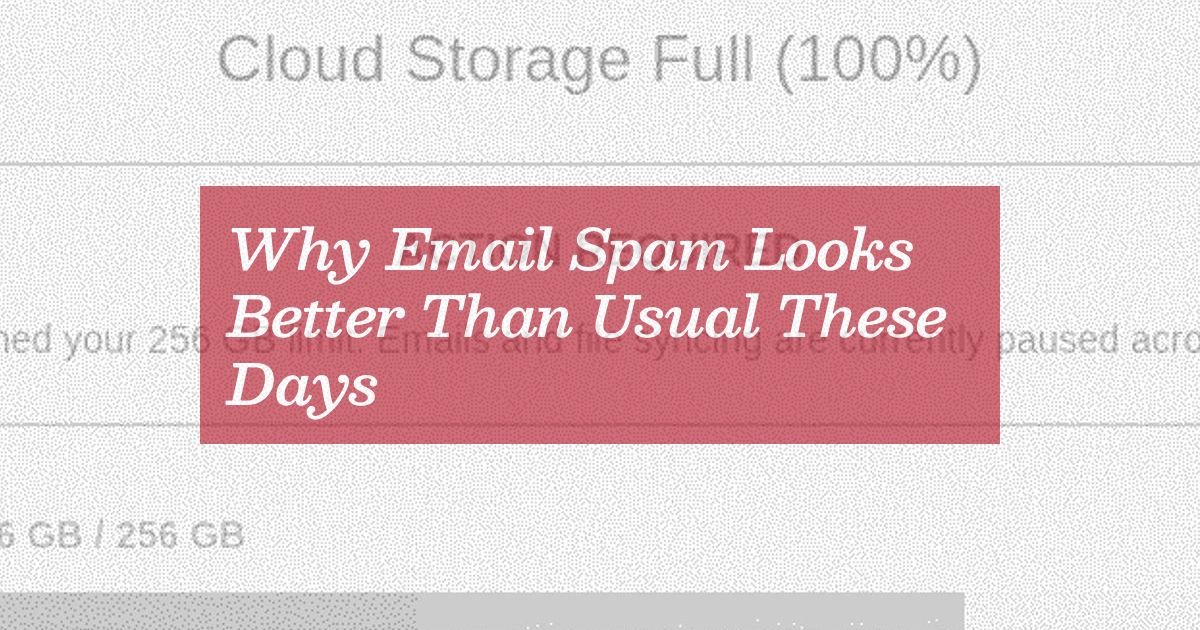
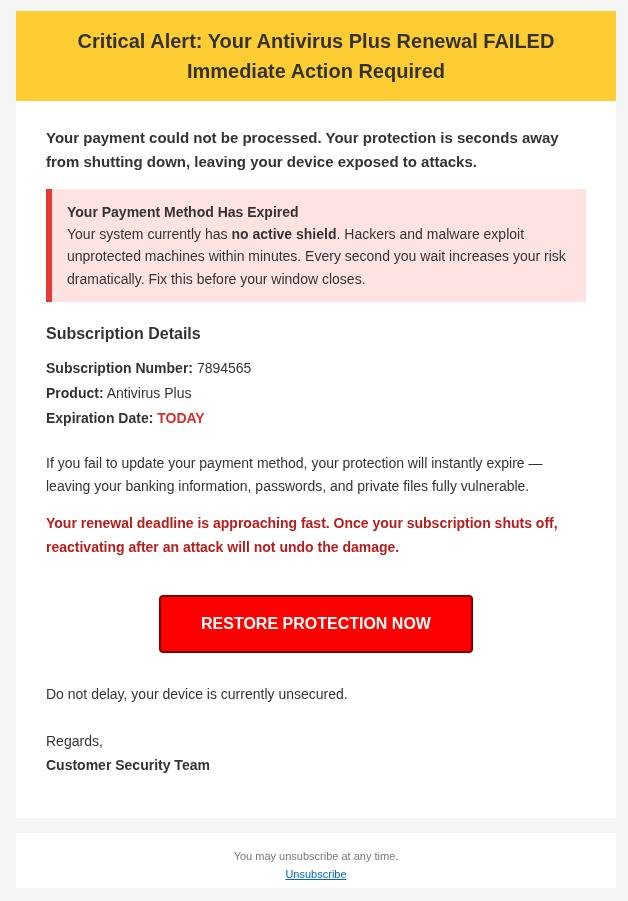
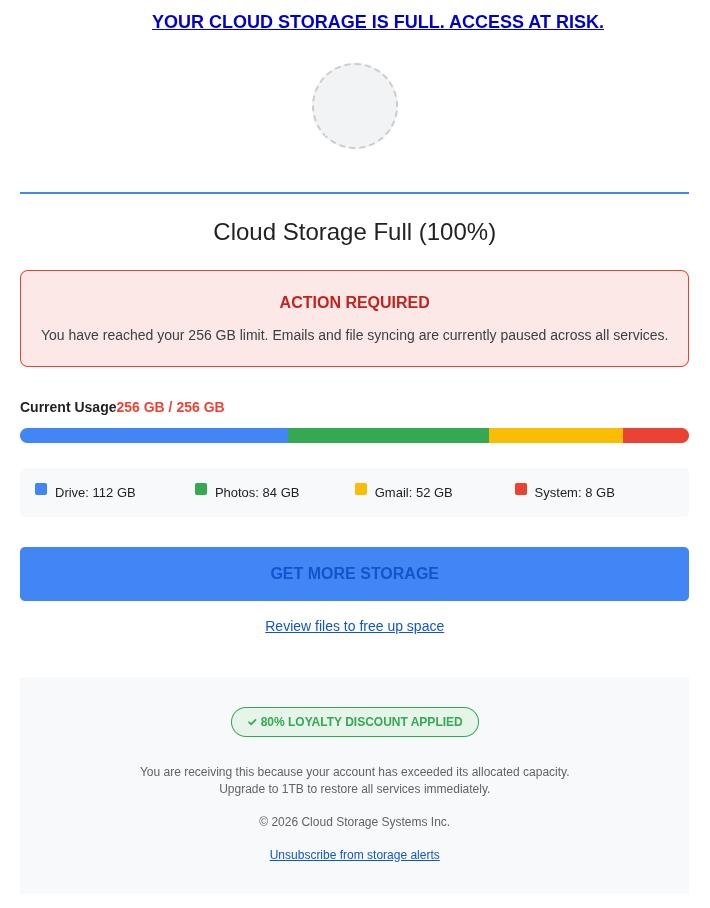
Take this recent example: an email claiming my cloud storage was full, complete with clean typography, professional icons, and a layout that wouldn't look out of place in a legitimate tech company's newsletter. Or the one warning me about antivirus renewal, with its carefully chosen color scheme and structured design. These aren't your grandfather's Nigerian prince scams anymore.
What's particularly telling is how these emails hold together even when images are disabled—a feature that used to be a dead giveaway for spam. In the past, turning off images would reveal the true chaos underneath: misaligned text, broken layouts, and the digital equivalent of a ransom note. Now, the core message remains intact and readable, making these scams more convincing than ever.
This transformation isn't accidental. The same AI tools that have democratized software development are now being used to create more sophisticated phishing attempts. As Anthropic reported last summer, "no-code" ransomware can now be built by people who couldn't write a line of code before. These individuals can create commercial malware programs selling for up to $1,200—a significant business opportunity for those with malicious intent but limited technical skills.
The security implications are profound. Platforms like Lovable, designed to help people build applications without coding knowledge, are being repurposed for VibeScamming. As Guard.io explains, creating scam schemes now requires almost no prior technical skills. Want to steal credit card details? A few prompts to an AI agent and you're off. Target employees for Office365 credentials? Easy. The barrier to entry has never been lower, and the potential impact has never been more significant.
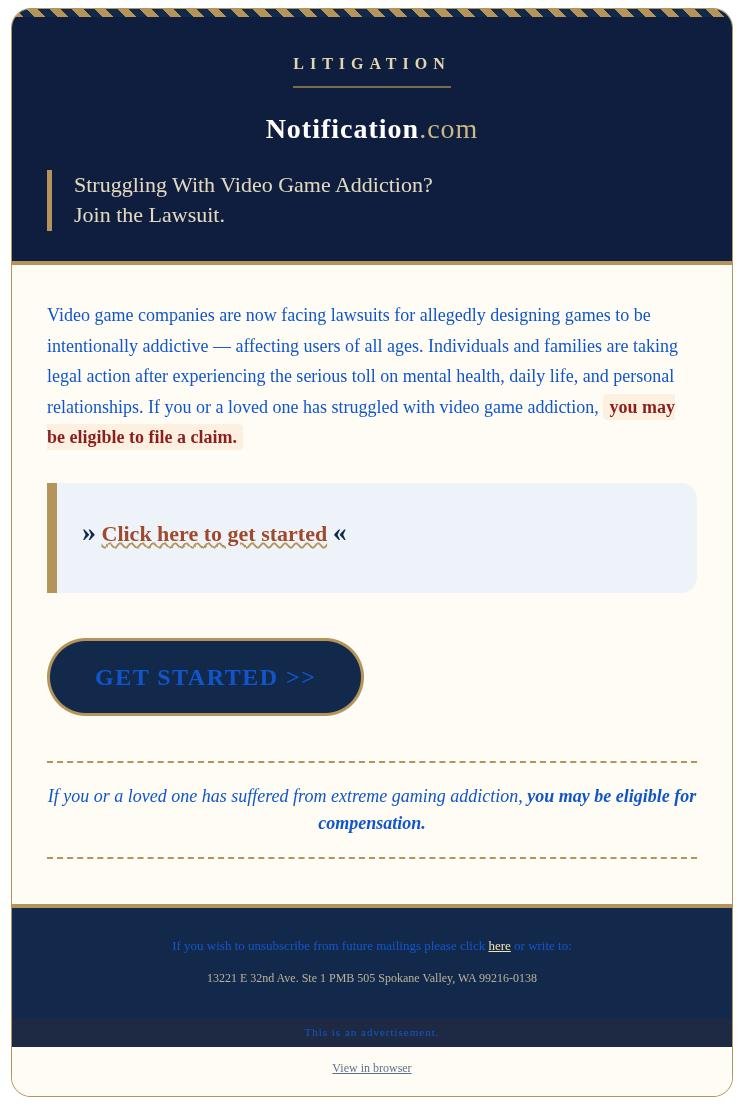
This creates a particular problem for legitimate developers using AI-assisted coding tools. The same visual patterns that make vibe-coded applications appealing—clean layouts, consistent typography, thoughtful use of color and emojis—are now being mimicked by scammers. What was once a clear signal that something was amateur-built is now a hallmark of professional-looking spam.
So how do you spot these new breed of scams? Some tells remain. Emails that address you by your email address rather than your name are still suspicious. The sender's email address often reveals the truth—highly obfuscated domains designed to evade detection. Recently, I received a wave of spam emails from a bare Firebase domain, making them trivial to filter out with a single rule.
The irony isn't lost on me that as spam becomes more visually competent, legitimate communications from smaller organizations might start looking more amateurish by comparison. There's something to be said for the human touch in design—the slight imperfections, the unique flourishes that signal authenticity. As we navigate this new landscape, perhaps the most important skill isn't just technical literacy, but developing a healthy skepticism toward anything that looks too perfect.
For those looking to protect themselves, techniques like email obfuscation and using aliases remain valuable. They not only protect your primary email address but also make it easier to track which services might be selling your information. And when something does look suspicious, remember that even as spam emails become more attractive, the people behind them often remain just as careless as ever.

The spam folder has always been a window into the internet's underbelly, reflecting whatever scams and schemes are currently profitable. Today, that window shows us a world where AI has lowered the barrier to creating convincing deception. The question isn't whether we'll see more of this—it's how we'll adapt to a digital landscape where the visual cues we've relied on for years no longer work.
As for me, I'll keep reading my spam folder. Not because I enjoy the scams, but because it's fascinating to watch how quickly the internet evolves—and how the tools we build for good can so easily be turned to less noble purposes.
Comments
Please log in or register to join the discussion