A $10.7 billion Indian government initiative encouraging cities to issue climate bonds faces structural challenges as municipalities struggle with weak capital market track records, raising doubts about meeting the $2.4 trillion needed for green urban infrastructure through 2050.
India's ambitious push to finance climate adaptation through municipal bonds faces significant hurdles as cities struggle to access capital markets, raising concerns about how the country will fund the massive infrastructure investments needed to combat climate change.
The Indian government launched a $10.7 billion urban initiative aimed at encouraging cities to tap bond markets for climate finance, but structural challenges have emerged that could limit the program's effectiveness. The initiative comes as India's cities are estimated to require at least $2.4 trillion in spending on green urban infrastructure through 2050, according to Reuters.
Cities across India have historically demonstrated a weak track record in accessing capital markets. Municipal bonds have been issued sporadically, with limited success in raising substantial funds. This poor performance stems from several factors, including weak credit ratings for many Indian cities, limited revenue generation capacity, and complex bureaucratic processes that deter potential investors.
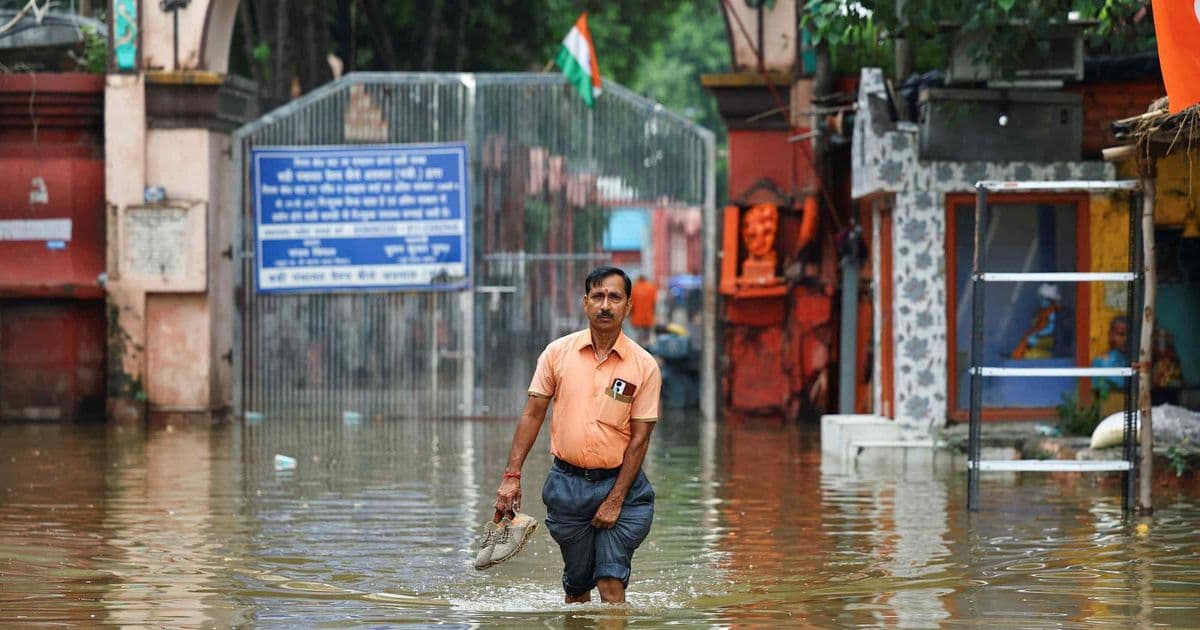
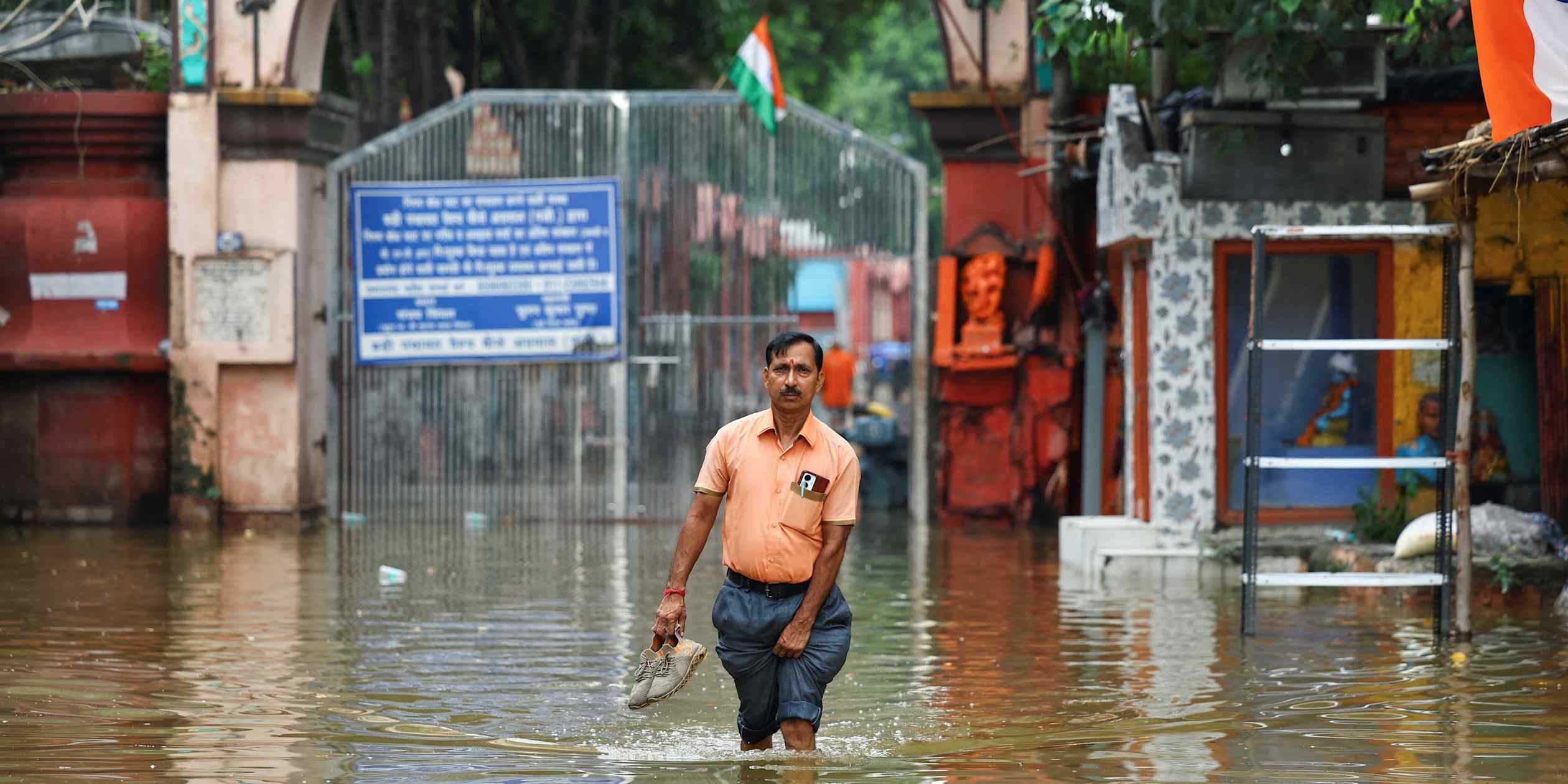
The timing of this initiative is critical. India faces mounting climate challenges, from extreme heat waves that have raised risks of violence against women to flooding events that regularly paralyze major cities like Delhi. The country's rapid urbanization compounds these problems, as millions migrate to cities that lack adequate infrastructure to handle increased populations and extreme weather events.
Municipal bonds represent one of several financing mechanisms being explored globally to fund climate adaptation. Other approaches include green bonds, climate funds, and public-private partnerships. However, the success of these instruments depends heavily on local governance capacity, regulatory frameworks, and investor confidence.
India's experience mirrors challenges faced by other developing nations attempting to finance climate resilience. Many cities in emerging markets lack the financial sophistication and institutional capacity to issue bonds effectively. They also struggle with revenue collection, often relying heavily on state and federal transfers rather than generating their own income.
The $2.4 trillion price tag for green urban infrastructure through 2050 represents a staggering investment requirement. To put this in perspective, India's current annual GDP is approximately $3.7 trillion. The scale of investment needed far exceeds what municipal bonds alone could reasonably provide, even if cities were able to issue them successfully.
Alternative financing mechanisms may need to play larger roles. These could include increased federal and state government funding, international climate finance from developed nations, multilateral development bank lending, and innovative financing tools like resilience bonds or catastrophe bonds.
The initiative's struggles highlight a broader challenge in climate finance: the gap between the massive funding needed for climate adaptation and the limited capacity of many governments, particularly at the local level, to access and manage these funds effectively. This disconnect threatens to leave vulnerable communities exposed to climate risks while available capital remains untapped.
For Indian cities to successfully issue climate bonds, several reforms would likely be necessary. These include strengthening municipal governance and financial management, improving credit ratings through better fiscal performance, streamlining approval processes, and building investor confidence through transparency and accountability measures.
The current initiative's limitations suggest that India may need to pursue a more diversified approach to climate finance. This could involve combining municipal bonds with other instruments, enhancing federal support for local climate projects, and working with international partners to access global climate funds.
As climate impacts intensify across India, from extreme heat raising risks of violence against women to infrastructure failures during floods, the urgency of finding effective financing solutions grows. The bond market struggles represent not just a financial challenge but a potential barrier to building climate resilience in some of the world's most vulnerable urban areas.
The coming years will test whether India can overcome these structural barriers to climate finance or whether alternative approaches will be needed to protect its cities from escalating climate risks. The outcome will have implications not just for India but for other developing nations facing similar challenges in financing climate adaptation.
Comments
Please log in or register to join the discussion